


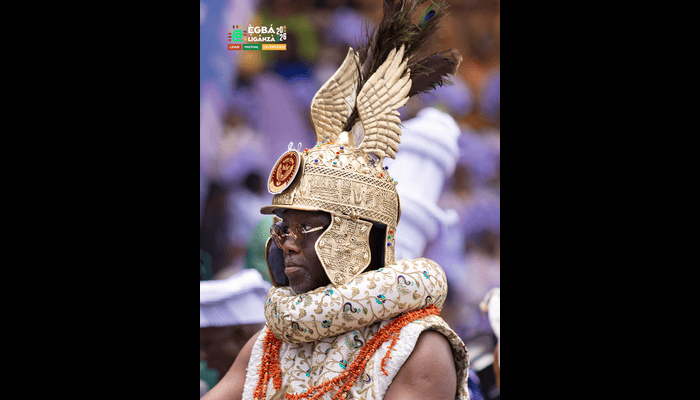
Heritage on Display at Egbariganza 2026
Recently, one of my headdresses at Egbariganza 2026 ignited a vibrant discussion among attendees, both in support and criticism. This exchange is crucial, as serious cultural endeavors often invite complex questions. To safeguard our traditions, we must actively engage with them. Those who are confident in their heritage should also feel empowered to explain it.
Significance of the Risabi Festival
What’s irrefutably clear is that Egbaligansza has played a pivotal role in revitalizing interest in the Risabi Festival, making it one of Nigeria’s most prominent cultural events. However, visibility is just one aspect. The true worth of such initiatives lies in their potential to deepen understanding, commemorate our history, and showcase our heritage with integrity.
Understanding Headgear’s Cultural Relevance
With that context, I want to address the topic of headgear. I reflect on our forebears, honoring their legacy while envisioning a compelling future. The helmet-like headpiece featured in Egbaliganza was never designed merely for novelty; it aims to teach, commemorate, and refresh narratives of courage and identity, ensuring these stories resonate for future generations.
The Growing Appeal of Egbaland
Egbaland is witnessing a surge in interest, with visitors and well-wishers from over 30 countries converging to celebrate Risabi and pay homage to the Kabiyesi of the Arake people. It is vital to look beyond the sheer scale of the event. The more pressing challenge is grasping the significance of what we present. Recognition—whether regional, national, or global—must always be rooted in substantive elements like history, culture, craftsmanship, and shared memory.
Reinterpreting the Tradition of Headgear
When posed with the question of why a helmet, it’s essential to understand its historical and symbolic depth. For the Yoruba, the head is a profound symbol of identity, destiny, and authority. As such, head coverings have deep meanings associated with royalty, rituals, hunting, and warfare. Throughout Yoruba history, leaders have adorned varied headgear that embodies protection, status, and authority.
Symbols Rooted in History
It is crucial to clarify that the concept of head protection in martial contexts is well-embedded in Yoruba tradition. Designs we now refer to as helmets existed in myriad forms—military caps, ceremonial headpieces, and elaborate cloth designs—all serving as protective and status symbols. These representations underscore the Yoruba people’s understanding that in matters of conflict, the head is paramount.
Reviving Cultural Craftsmanship
One of the quieter triumphs of this movement is the resurgence of local crafts. Artisans and tailors from Abeokuta have played an instrumental role in transforming heritage into visually compelling attire. This revival is invaluable; culture thrives not only in archives but also in daily life, workshops, homes, and festivals. The contemporary reimagining of traditional materials and motifs fosters important dialogue and supports a deeper understanding of our heritage.
