


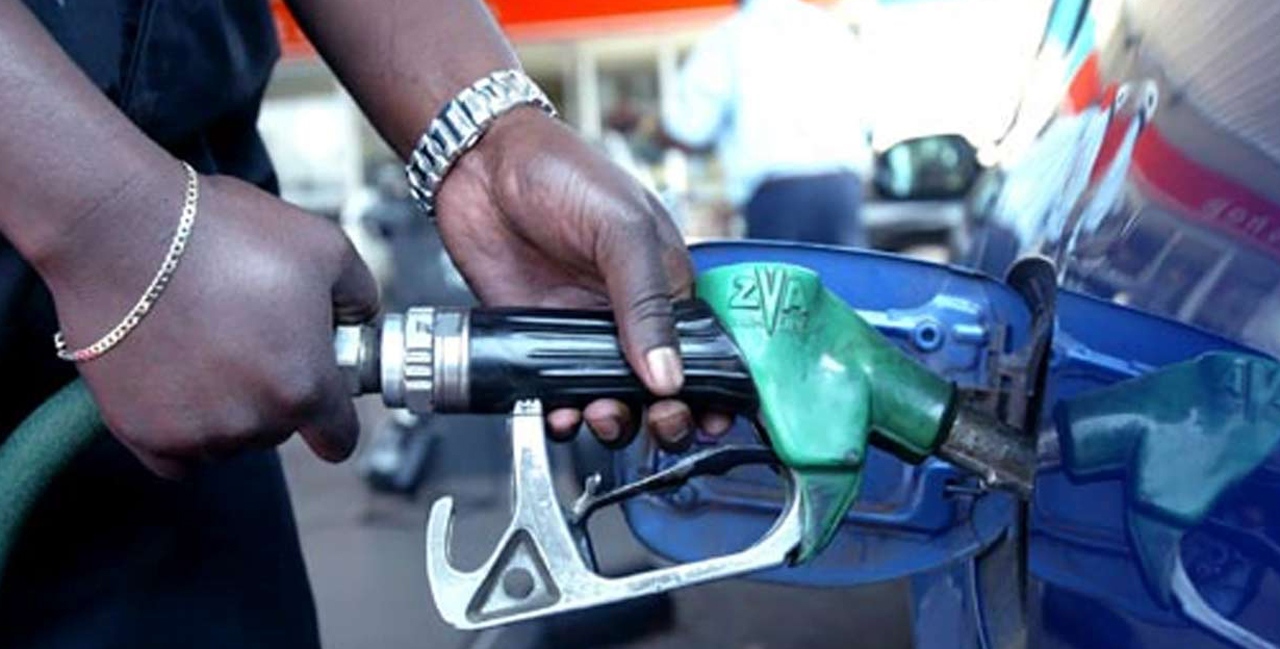
Impact of Subsidy Removal on Nigeria’s Energy Sector
The abolition of energy subsidies in Nigeria—covering petrol, kerosene, diesel, and electricity—holds the potential to unlock billions of naira for the government. These funds could be redirected towards critical social and economic initiatives, such as infrastructure development and domestic refinery incentives. However, the feasibility of this strategy is questionable given Nigeria’s prevailing economic instability. In fact, the removal of subsidies may exacerbate the challenges facing an already fragile economy.
Challenges of a Struggling Economy
Nigeria’s economic landscape is marred by rampant corruption and mismanagement. This is compounded by chronic power outages, deteriorating infrastructure, and pervasive public safety concerns. In no advanced economy do energy subsidies contribute to a decline in production and citizen welfare. Energy availability is fundamental to fostering a robust economy, yet investors face significant hurdles when trying to establish manufacturing operations without reliable energy sources.
Consequences of Subsidy Elimination
The immediate and long-term ramifications of removing energy subsidies are alarming. Citizens may experience spikes in the prices of goods and services, soaring transport fares, and escalating inflation—all leading to diminished purchasing power. Moreover, the anticipated decrease in petrol smuggling across borders has not materialized, as smugglers adapt to changing market conditions. Rather than alleviating the situation, the abolition of subsidies could incite social unrest and increase illegal activities.
The Issue of Corruption
The core issue in Nigeria is not inherently the subsidies themselves but the rampant corruption tied to their administration. While many governments worldwide successfully implement subsidies to alleviate citizens’ burdens, Nigeria’s struggle stems from systemic corruption that undermines their effectiveness. When anti-corruption efforts faltered, the government chose to eliminate subsidies, citing the disproportionate benefits enjoyed by the wealthy.
Global Perspectives on Subsidies
In the UK, the government supports various sectors, including health care, technology, housing, education, and clean energy initiatives, through subsidies and financial aid programs. Similarly, the U.S. allocates approximately $20 billion annually in direct subsidies for fossil fuels, predominantly benefitting the oil and gas industry. This global context raises critical questions about which sectors Nigeria is subsidizing and whether it is effectively supporting its citizens.
Immediate Economic Fallout After Subsidy Abolition
Since President Bola Ahmed Tinubu’s announcement to abolish petrol subsidies on May 29, 2023, the Nigerian economy has faced significant turmoil. The decision is akin to severing life support for an ailing patient, plunging the nation into chaos. Essential commodities like petrol, diesel, and kerosene are critical to the economy, yet rising prices have led to large-scale business closures and increased unemployment.
Growing Unemployment and Public Discontent
As unemployment spirals, thousands of transportation workers—including tricycle and bicycle drivers—can no longer afford fuel at prevailing prices, leading to halted operations. The cost of transportation has skyrocketed, pushing many traders, artisans, and service providers out of business. The government’s response includes proposals to offer N8,000 per household, but rising prices render this assistance insufficient. The disparity between salary increases for civil servants and actual inflation raises serious concerns about the efficacy of such measures in alleviating poverty.
Poverty and Crime Rates Rise
Mass poverty is leaving millions of Nigerians unable to afford basic necessities, including food and healthcare. The struggles of everyday life are exacerbated by an inability to procure even essential medications. Consequently, the situation contributes to rising crime rates as individuals seek alternative means of survival. In an oil-producing nation like Nigeria, the removal of subsidies lacks justification, especially in light of the country’s failure to provide stable electricity and economic conditions conducive to growth.
