


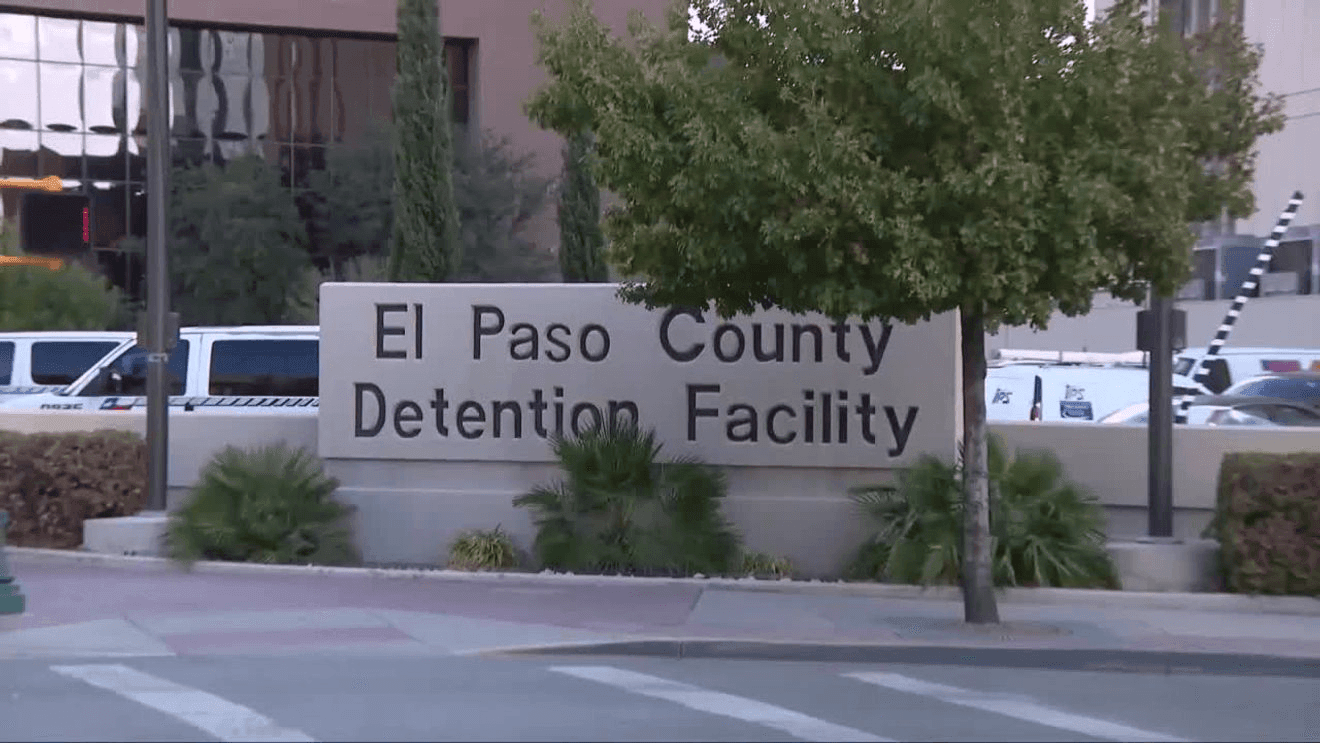
El Paso County Faces Challenges Under New Immigration Law
EL PASO, Texas — El Paso County commissioners have expressed concerns regarding the implications of Senate Bill 8, highlighting that its costs and staffing requirements may further burden the El Paso County Sheriff’s Office. The county’s leadership received a detailed analysis illustrating how the legislation would impact local law enforcement operations.
Key Provisions of Senate Bill 8
The new law mandates that counties with populations exceeding 100,000 must collaborate with U.S. Immigration and Customs Enforcement (ICE). Additionally, it grants sheriff’s offices the authority to issue warrants for illegal immigrants currently in custody. County officials emphasized that they lack discretion in how these provisions are enforced.
Financial Strain on County Resources
El Paso County Commissioner David Stout noted the unfunded mandates imposed by the state, indicating that these ICE-related responsibilities are already costing the county millions. “Nearly 70 percent of our budget goes toward services mandated by the state, without any financial assistance to cover those costs,” Stout stated. Over the past five to six years, the financial impact related to immigration enforcement has ranged from $40 million to $50 million.
Compliance Deadline Approaches
Counties are required to comply with Senate Bill 8 by December 1, 2026. Among the stipulations, the legislation necessitates the establishment of a 287(g) agreement, which is a formal partnership between local law enforcement and federal authorities.
Available Operational Models
The county has three operational approaches from which to select: the Jail Enforcement Model, designed for processing deportable immigrants; the Task Force Model, allowing law enforcement to enforce immigration laws under ICE supervision; and the Warrant Enforcement Officer Program, where state and local officers are trained by ICE to execute warrants against immigrants. The sheriff’s office has sought a decision from the county on the preferred model.
Training and Resource Allocation Concerns
El Paso County Chief Deputy Sheriff Emmanuel Soria advocated for the least intrusive option, which would permit ICE to execute warrants within the jail through a low-intensity program requiring eight hours of training. However, Soria highlighted that the sheriff’s office is still waiting for crucial information from ICE regarding training logistics and the number of officers needed to implement the chosen model.
Impact on Public Safety and Resources
While the county is eligible for a state grant of $120,000 over two years to help defray unreimbursed operational costs, other financial burdens will fall on the sheriff’s office. Soria pointed out a significant challenge, stating, “We don’t have enough personnel to handle immigration work.” Alan Lizarraga, communications manager for the Human Rights Border Network, added that collaboration with ICE strains county budgets and diverts resources from critical public safety priorities. “It is vital to acknowledge that our cooperation with ICE does not necessarily enhance community safety for everyone,” Lizarraga remarked.
