


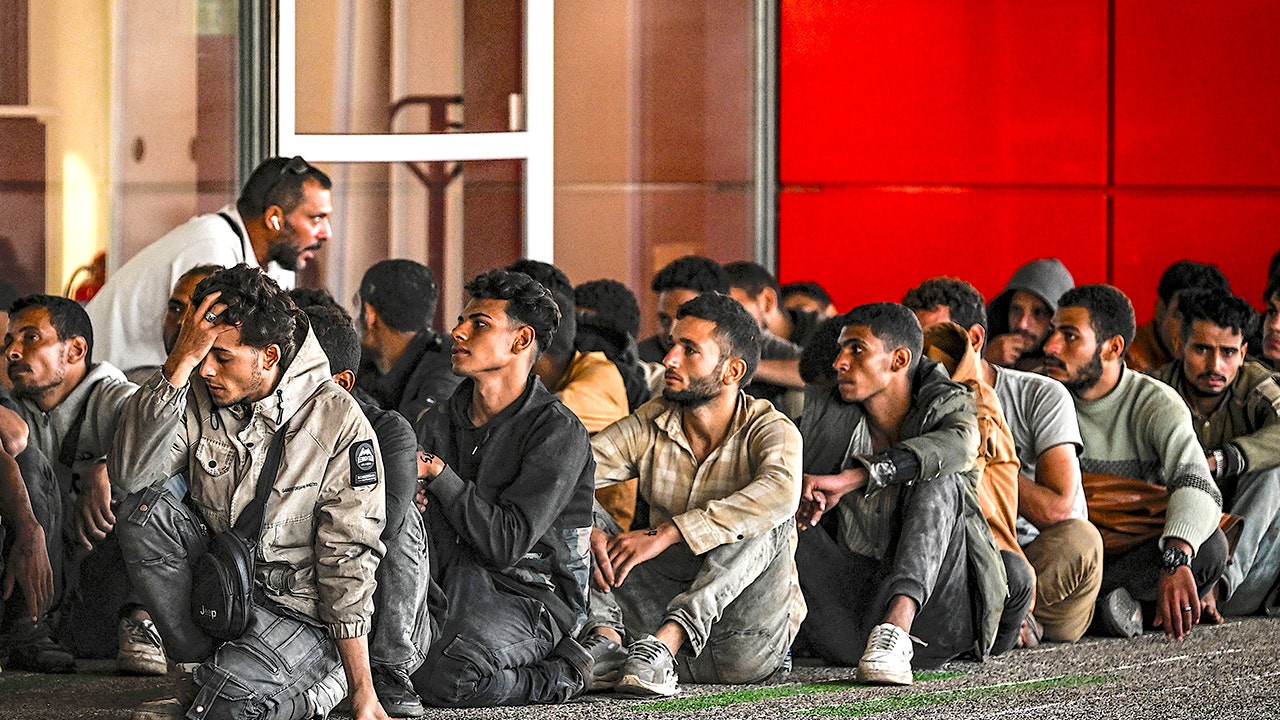
European Union Takes Stricter Stance on Illegal Immigration
In early June, the European Union (EU) made significant strides to address longstanding concerns about illegal immigration, a topic that has resonated with both President Donald Trump and many European citizens. The EU introduced stricter border entry regulations across its 27-nation bloc, establishing a more rigorous framework for managing migration and asylum processes.
New Migration and Asylum Regulations Unveiled
The EU has enacted tough new rules aimed at streamlining the processing of both legal and illegal migrants. These regulations mandate that individuals entering the region are screened for identity, safety, and health before being allowed into the asylum system. Furthermore, border authorities are now required to track and monitor non-EU nationals as they enter and exit the bloc, utilizing biometric data such as fingerprints and facial recognition technology. The policies also emphasize the importance of information sharing among member states to enhance cooperation in migration management.
Interim Agreement Progresses Through EU Channels
According to a report from the Associated Press, an interim agreement involving the EU’s primary institutions is slated for review and approval by EU lawmakers and governments in the near future. This marks a critical step in formalizing the new regulations, which have been under discussion for some time.
Demand for Increased Deportation Powers
European countries are increasingly advocating for enhanced powers to deport illegal immigrants who commit criminal offenses. Alan Mendoza, founder and executive director of the Henry Jackson Society, shared concerns about how changing demographics are impacting the cultural fabric of Europe, stating that many newcomers struggle to integrate into local customs.
UK’s Influence Despite Non-Membership in the EU
Despite the United Kingdom no longer being a member of the EU, Mendoza emphasized that the UK’s immigration challenges have influenced the development of these new EU regulations. He highlighted the lack of overseas immigration detention centers in Britain, suggesting that without such facilities, the country struggles to maintain its reputation for compassion while effectively managing immigration issues.
Urgency of Addressing Illegal Immigration
Experts warn that delaying effective action on illegal immigration may exacerbate the situation. European workers have long felt the implications of irregular migration, yet it appears that leaders are only now beginning to acknowledge the urgency. With various political figures drawing attention to the issue at international forums like the United Nations, the momentum for change is growing.
Varied Responses to Immigration Challenges Across Europe
Spain, in particular, has taken a distinctive approach by deciding to legalize 500,000 illegal immigrants, diverging from the policies of other EU nations. Javier Negre, owner of La Derecha Diario newspaper, attributed part of the immigration influx to the actions of non-governmental organizations (NGOs) advocating for policies that some perceive as promoting illegal immigration. Critics argue that this approach could contribute to rising crime rates, as certain migrants may be less inclined to integrate into their new communities.
Human Rights Concerns Arise
As the EU implements these new measures, criticism has emerged from various quarters, particularly among leftist groups and NGOs. Melissa Camara of France’s Green Party described the agreement as a significant regression in human rights within the region, highlighting the potential legal frameworks that may empower xenophobic ideologies.
