


Florida’s Rising Cooperation with ICE Sparks Local Tensions
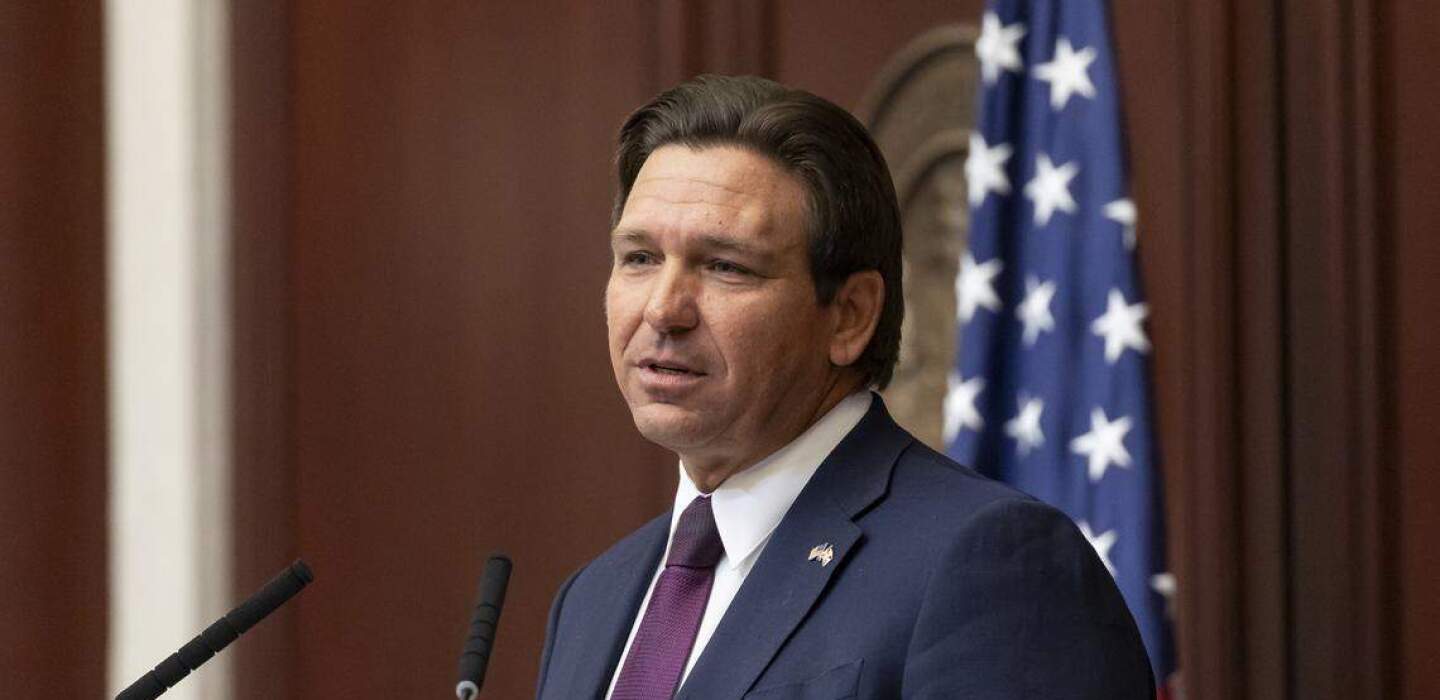
In recent years, the number of state and local agencies in Florida entering cooperative agreements with U.S. Immigration and Customs Enforcement (ICE) has surged dramatically. One notable aspect is that Florida mandates local governments to adopt these compacts. According to ICE, these agreements enhance their ability to apprehend criminals. However, Governor Ron DeSantis has argued for the deportation of all undocumented immigrants, even those without criminal records, igniting debate among local law enforcement.
Florida has firmly aligned itself with the Trump administration’s immigration policies, mirrored by similar efforts in other states. DeSantis has called on local law enforcement to assist federal agents in making arrests, stating that legislation was enacted to support the federal government’s mission to eradicate illegal immigration. He emphasized that illegal entry into Florida is now classified as a crime, effectively ending previous catch-and-release policies.
State agencies like the Florida Highway Patrol and the Fish and Wildlife Conservation Commission are actively assisting ICE. From April 2025 to January 2026, state law enforcement officials arrested over 10,400 undocumented immigrants as part of Operation Tidal Wave, marking a significant collaboration between state and federal authorities. A bill enacted in February 2025 mandates county detention facilities to enter into 287(g) agreements with ICE by April 2025, with the governor empowered to remove non-compliant employees temporarily and pursue legal action. As it stands, all 67 counties in Florida have signed such agreements.
Some regions in Florida actively endorse the federal immigration agenda. For instance, the Jacksonville Sheriff’s Office has maintained a partnership with ICE for years. The city took further steps last year by passing an ordinance criminalizing illegal immigration, subject to penalties of up to 60 days in jail. However, public opinion remains split, as recent polls indicated that Floridians are nearly evenly divided on President Trump’s handling of immigration issues, with a significant portion disapproving of ICE’s operations.
Opinions among law enforcement also reflect this division. At a recent meeting of the Immigration Enforcement Council, which includes representatives appointed by Republican leaders, most members expressed that unauthorized immigrants without criminal records should not face deportation. They suggested alternative measures such as fines and requiring immigrants to learn English while also seeking pathways to citizenship through Congress. Polk County Sheriff Grady Judd underscored the positive contributions of many immigrants in local communities, highlighting that they lead productive lives.
Despite these concerns, Governor DeSantis remains resolute. He recalled a special legislative session focused on bolstering immigration enforcement, underscoring his commitment to the state’s approach. He acknowledged dissent among Republican sheriffs but reiterated his responsibility to act in the best interests of Floridians rather than yielding to individual county perspectives.
Expanding Collaborations and Record Agreements
Florida, alongside states like Georgia and Texas, is unique in mandating local participation in 287(g) agreements, which are typically voluntary across the United States. Each agreement delineates the immigration actions local officials can undertake. These vary significantly; some agreements empower sheriffs to investigate arrestees in jails, while others allow local police to arrest individuals based on immigration status.
In a striking recent development, ICE signed 140 new 287(g) agreements in just one week, a record number for simultaneous agreements. The total number of active agreements skyrocketed from 506 to 1,537 between April 2025 and March 2026. An ICE spokesperson noted that partnerships with local law enforcement are vital for apprehending criminal undocumented immigrants, although specifics on resource allocation remain unclear.
Concerns About Community Relations
Local officials like South Miami Mayor Javier Fernandez express concerns that expanding police involvement in immigration enforcement may deter residents from cooperating with law enforcement. Fernandez fears that this could erode the essential trust necessary for effective community policing. While acknowledging the complexities of immigration enforcement, he emphasizes that separating families could damage relationships between local police and residents.
Fernandez’s administration sought clarity on the legal requirements surrounding 287(g) agreements, but a recent court ruling did not provide definitive answers. While state attorneys indicated that cities are not mandated to participate, they are also not permitted to withdraw from existing agreements. Some law enforcement officials share similar worries, fearing that cooperation with ICE might alienate immigrant communities.
Surveys conducted during Trump’s presidency revealed that nearly half of participating officers recognized that federal immigration policies compromise relationships with immigrant communities. As fears regarding cooperation with ICE escalate, reports suggest that some crime victims might avoid engaging with police, further complicating community safety.
While Fernandez believes that collaborating with ICE will not enhance community safety, DeSantis argues that deportation efforts must encompass all undocumented individuals, regardless of past criminal behavior. He insists that the notion of only targeting violent offenders is flawed, suggesting that undocumented individuals who may not have been on law enforcement’s radar could pose future risks.
