


Tennessee’s Legislative Session Focuses on Education and Immigration Policies
Tennessee’s 2026 legislative session is drawing to a close, with education issues taking center stage this week. Notably, Republican lawmakers in the state have announced their intentions to intervene in the Memphis-Shelby County School District following a 329-page preliminary forensic audit that highlighted significant systemic problems within the district.
In a related move, House Republicans have proposed amendments aimed at expanding the state’s school voucher program. These revisions significantly differ from the Senate’s version, creating urgency for both chambers to reach a consensus. The House’s proposal would fund 35,000 Educational Freedom Scholarships, while the Senate and the governor’s proposals aimed for 40,000. Additionally, public schools will now be required to verify citizenship or legal immigration status for students who seek to leave for private schools under the voucher scheme.
Healthcare Legislation on Gender-Affirming Care Advances
Meanwhile, TennCare, the state’s Medicaid program, has introduced a bill prohibiting gender-affirming care pathway coverage. Although existing policies already exclude this type of care, the new bill is now heading to Governor Bill Lee’s desk for approval. The legislation also calls for insurance providers and healthcare professionals to report data on transgender patients and their treatments to the state health department, having recently passed the House but pending action in the Senate.
Religious Education Initiatives Target Schools
This week has also seen a Republican-backed bill pass in the House that would permit public schools to teach about “the positive influence of religion on American history.” The bill is now awaiting Governor Lee’s signature, facing pushback from Democrats who argue that religion should not play a role in public education. Alongside this, a Democratic proposal requesting educational accommodations for English language learners during state assessments is also in consideration.
Proposed Changes to Nashville’s Election Schedule
Another critical development involves legislation that could alter Nashville’s election schedule. A bill passed by the House State and Local Government Committee mandates that local elections coincide with either primary or general elections or occur in even-numbered years. As it stands, Nashville’s elections are held in odd-numbered years, and the proposed changes would extend terms for Mayor Freddie O’Connell and the Metro Council by one year.
Immigration Enforcement Bills Gain Traction
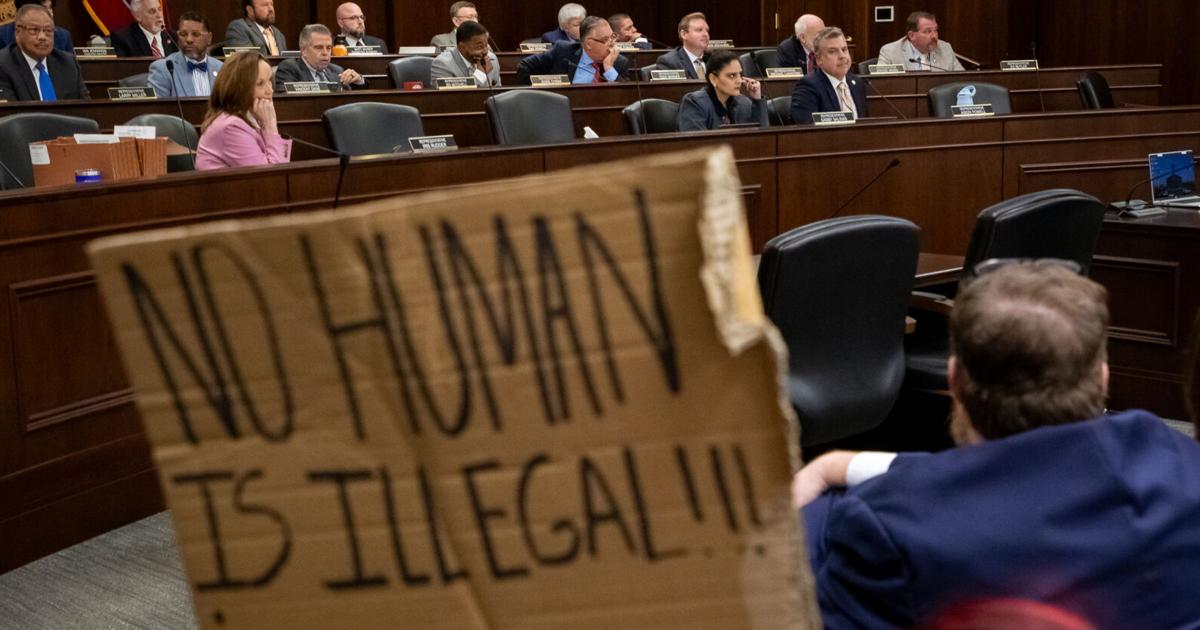
Legislative activity around immigration continues, with a bill advanced in the Senate that classifies operating a commercial vehicle without legal status as a Class A misdemeanor. The House version of the bill, while proposed, is reportedly lagging behind other key legislation. Additionally, House Bill 1707 would mandate judicial cooperation with federal immigration authorities, raising concerns among Democrats about potential repercussions for judges exercising discretion in their courtrooms.
Legal Status Verification for Public Benefit Applicants
A controversial bill requiring local governments to verify the legal status of adults applying for public benefits has successfully passed the House State and Local Government Committee. Critics, including healthcare professionals, have voiced concerns over its discriminatory implications, fearing it could deny necessary medical care to certain populations. The legislation is poised for consideration in the House Committee on Finance and Revenue.
Resurrection of Energy Commission Representation Bill
In energy matters, a resurrected bill aims to include representatives from Williamson County on the Nashville Power Services Commission. Originally stalled, this revised bill proposes allowing counties with over 3,500 ratepayers to appoint a representative to the board through their county mayor. Having passed through committee, it will be referred for further consideration soon.
Child Welfare and Online Content Legislation Move Forward
Lastly, a bill spearheaded by Sen. London Lamar aims to allow parents to challenge suicide verdicts. This legislation was born from a situation where a mother was unable to access investigative documents due to next of kin laws. An additional measure will ensure children featured in online content can request their removal, with stipulations that a share of financial proceeds be placed in trust funds for them to access upon turning 18.
