


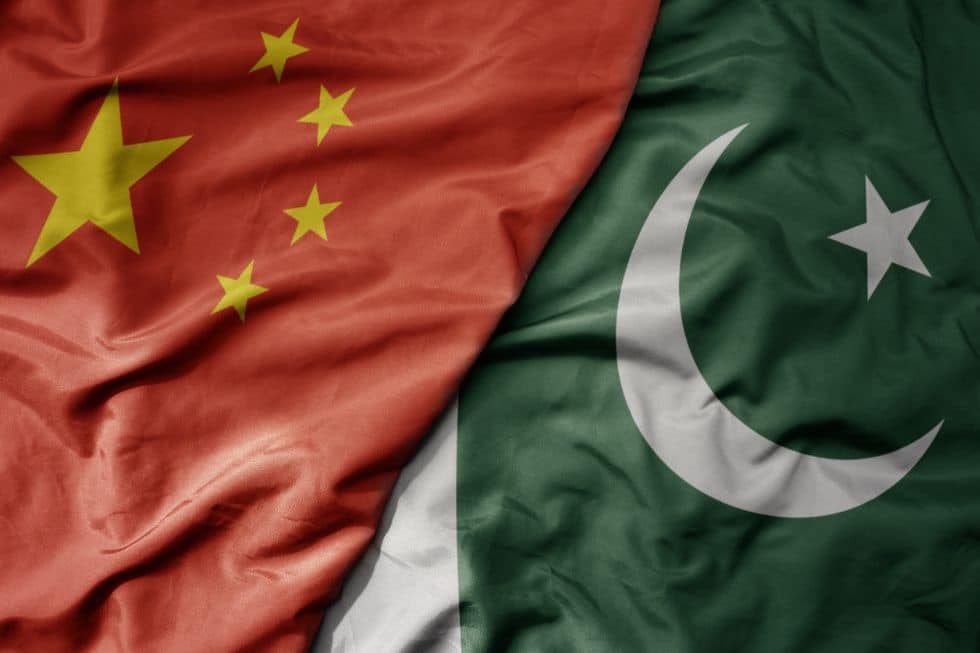
China and Pakistan Unveil Initiative to Promote Peace in Gulf and Middle East
China and Pakistan have jointly introduced a five-point initiative aimed at restoring peace and stability in the Gulf and Middle East regions. This initiative calls for an immediate ceasefire, urgent dialogue, and enhanced protection for civilians and critical infrastructure.
High-Level Discussions in Beijing Prompt Initiative
The proposal was developed following a meeting between Chinese Foreign Minister Wang Yi and Pakistan’s Deputy Prime Minister and Foreign Minister Ishaq Dar in Beijing on March 31, 2026. During their discussions, they reviewed the escalating tensions affecting the region.
Call for Immediate Cessation of Hostilities
A key element of the initiative is a call for an immediate halt to hostilities. Both nations urged all parties engaged in the ongoing conflict to take measures to prevent further escalation. Emphasizing humanitarian concerns, they also highlighted the crucial need for unrestricted access to communities impacted by the violence.
Dialogue as the Path to Peace
China and Pakistan reiterated that dialogue remains the only viable means to achieving conflict resolution. They advocated for the prompt initiation of peace negotiations, stressing that engaging in conversation is essential for addressing underlying issues.
Respect for Sovereignty and Territorial Integrity
The two countries underscored the importance of respecting the sovereignty and territorial integrity of regional nations, specifically referring to Iran and the Gulf states. They called on all involved parties to pursue peaceful negotiations and to refrain from intimidation or military aggression throughout the process.
Protection of Critical Infrastructure Highlighted
The proposal also calls for strict adherence to international humanitarian standards, urging conflict participants to cease attacks on civilians and non-military targets. Critical infrastructure, including energy facilities, desalination plants, power systems, and even peaceful nuclear installations, must be protected, as damage to these assets could exacerbate humanitarian crises.
Importance of the Strait of Hormuz and Multilateralism
Recognizing the strategic significance of the Strait of Hormuz, a vital corridor for global energy supplies and trade, both countries called for the protection of vessels and their crews in the vicinity. They urged stakeholders to facilitate the safe navigation of commercial ships and to restore normal shipping operations promptly. Additionally, they emphasized the need for multilateralism, advocating for a more robust role for the United Nations in conflict resolution efforts.
China’s Commitment to Collaborative Peace Efforts
Chinese Foreign Ministry Spokesperson Mao Ning highlighted that the initiative encompasses three main principles: ceasefire, dialogue, and security. He emphasized the urgency for ending hostilities, initiating discussions, and ensuring safety throughout the region. Mao expressed that China will continue to collaborate closely with Pakistan and other stakeholders to play a constructive role in mitigating tensions and fostering peace.
