


Eswatini Welcomes New Group of Deportees from the U.S.
MABABANE, Eswatini — The Kingdom of Eswatini in Southern Africa has received a new group of individuals expelled from the United States as part of an ongoing bilateral agreement aimed at accommodating third-country nationals. Eleven deportees arrived this week, as announced by the government on Thursday.
Government Assures Rights Protection for Deportees
Acting government spokesperson Thabire Mdluli stated that this group, primarily consisting of individuals from various African nations, will remain in Eswatini temporarily while their rights are safeguarded. “The government reaffirms that the fundamental rights of third-country nationals will be respected and protected during their temporary stay in the Kingdom, in accordance with the laws of the Kingdom of Eswatini and its international obligations,” Mdluli said.
Concerns Over U.S. Deportation Policies
Critics argue that the actions of President Donald Trump’s administration, which are designed to return thousands to over two dozen countries, employ a range of covert agreements as part of a wider crackdown on immigration. Advocates express concern about the human rights implications of such policies.
Safety Measures for Eswatini Residents
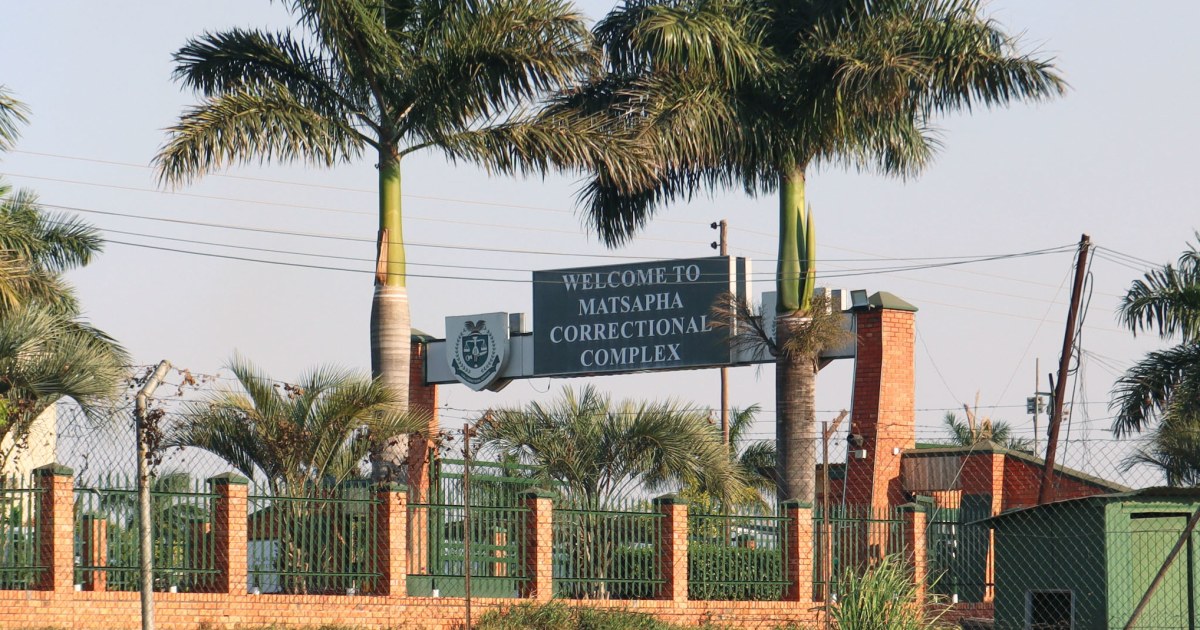
Mdluli emphasized that the government is implementing measures to ensure the safety of both residents and the deportees during their time in the country. The latest group will be temporarily housed at Matsafa Maximum Security Prison, according to sources familiar with the arrangement.
Future Arrangements for Deportees
Eswatini, with a population of approximately 1.2 million and bordering South Africa, is set to begin accepting deportees from the U.S. in 2025 under an agreement. This arrangement is designed for individuals who cannot be returned directly to their country of origin, marking this arrival as the fourth group accepted under the contract.
Continuing International Patterns of Deportation
The Trump administration has also sought to relocate deportees to other nations in the region, including the Central African Republic, Equatorial Guinea, Sierra Leone, and Congo, as part of its strategy to handle migrants who cannot be directly returned.
Concerns About Transparency and Rights
Details surrounding the terms of the agreement between Eswatini and Washington remain undisclosed, including specifics about the deportees’ nationalities and legal statuses, as well as the duration of their stay. Critics have raised concerns regarding the lack of transparency and parliamentary oversight associated with the deal. Civil society organizations in Eswatini have pursued legal action, challenging the legality of detaining foreigners without charges, with authorities stating that individuals may be detained for up to a year.
Reactions from Human Rights Advocates
Human rights lawyer Mzwandir Masuku pointed out that ongoing deportations indicate a lack of institutional accountability and warned that this practice risks becoming normalized on a global scale. To date, only two individuals sent to Eswatini have successfully returned to their home countries, specifically Cambodia and Jamaica.
Eswatini’s Stance on Humanitarian Values
Despite the criticism, Eswatini’s government defends the agreement, asserting that it aligns with the country’s humanitarian values while maintaining respect for its sovereignty and domestic laws.
