


U.S. Army Reserve Pilot’s Wife Released from ICE Detention After Months of Legal Struggles
This week, after a protracted four-month ordeal punctuated by multiple court hearings, the wife of a U.S. Army Reserve Black Hawk pilot was released from an immigration detention facility in Houston. The case highlights ongoing concerns surrounding the treatment of immigrants in detention.
Background of Detention
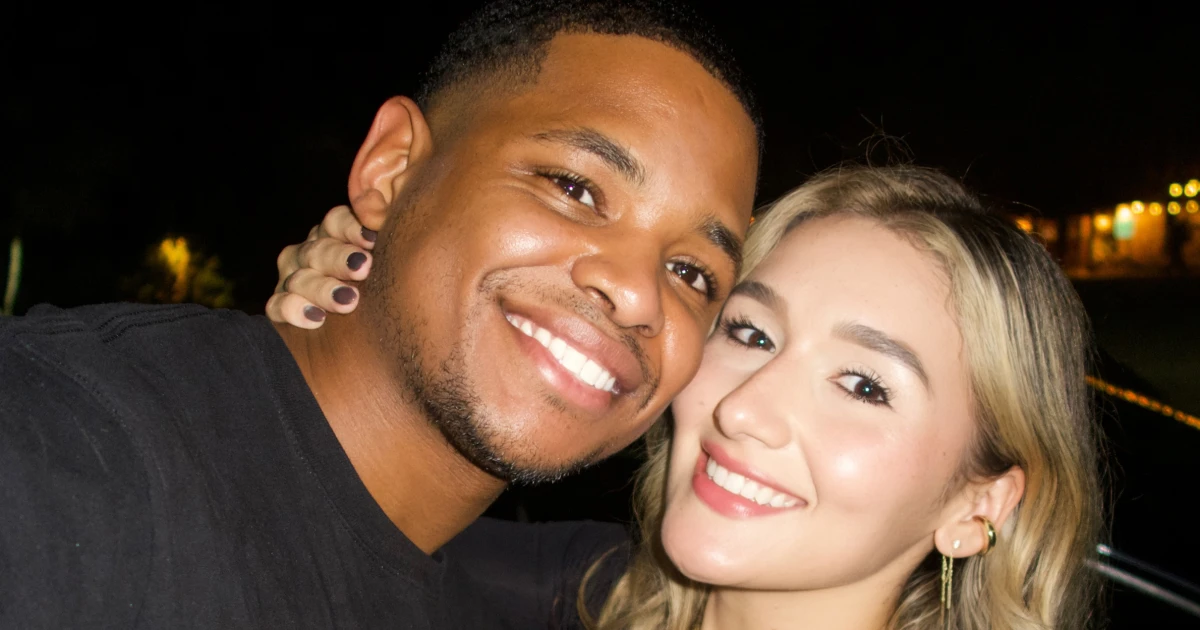
Stephanie Kenny Velasquez, originally from Venezuela, was taken into custody just two days after marrying Chris Buzbee in December. On Tuesday, Buzbee, 28, awaited her release outside the facility, holding flowers and a hopeful smile, eager for their first embrace of the year.
Legal Battles Over Due Process
Following her initial detention, federal authorities ruled that her due process rights had been violated, leading to her release last year. Kenny Velasquez had previously sought asylum and had entered the United States in 2021. However, she lamented her inability to celebrate her freedom until she was in Buzbee’s arms again.
Ongoing Asylum Case and Statements from DHS
Kenny Velasquez’s attorney, Javier Rivera, stated that although she has been released, her asylum claim remains unresolved. The Department of Homeland Security emphasized that her legal status has yet to be established and that all claims would be adjudicated in court, asserting that she entered during the Biden administration, which underscores different immigration policies. “Being detained is a choice. We encourage all unauthorized immigrants to manage their exits accordingly,” the agency noted.
Reflections on Detention Experience
Despite her release, the first night at home was emotionally challenging for Kenny Velasquez. She recalled the other detainees who remained behind, many of whom were marginalized and in dire circumstances. “Chris said it’s called survivor’s guilt,” she reflected, particularly noting the plight of families with children still held in detention.
Advocacy for Release
Buzbee has dedicated significant effort over the past few months to secure his wife’s freedom. He reached out to various legal and community leaders for assistance. Despite serving in the Armed Forces since 2015, he found that the system posed daunting barriers. After being denied bail by immigration authorities, he retained a lawyer specializing in habeas petitions—legal instruments that allow detained individuals to contest their detention in court.
Next Steps in Legal Proceedings
During a recent court appearance, Rivera argued that Kenny Velasquez’s due process rights were compromised due to the circumstances surrounding her detention. Highlighting her attempts to find refuge in the U.S. and her compliance with immigration protocols, Rivera emphasized that she has no criminal history and had adhered to her immigration obligations. Presently, Kenny Velasquez is looking ahead to an asylum hearing scheduled for 2027 while exploring various pathways to secure permanent residency.
