


Nigeria’s Economic Summit: A Call for Real Solutions
President Muhammadu Buhari’s administration is poised to convene a summit aimed at addressing Nigeria’s persistent economic challenges. The urgency of this gathering underscores the critical state of the nation’s economy, which continues to grapple with financial instability and substantial debt.
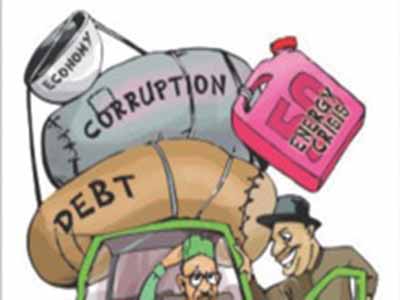
The decline in oil prices, which serves as the backbone of Nigeria’s economy, has left the government struggling to meet its financial obligations. Numerous states are nearing bankruptcy, unable to pay salaries or invest in infrastructure projects, while the national currency, the Naira, continues its downward trajectory. These economic pressures have given rise to a mounting debt burden that will likely impact future generations.
As experts prepare to offer insights at the upcoming summit, we can anticipate a flood of ideas—some practical, others impractical, and many lacking clarity. However, this is not a novel occurrence; ample proposals sit unused on government shelves, gathering dust from prior discussions about the economy’s future.
The motivations behind this summit could stem from a genuine desire for change or simply as a distraction from the economic hardships faced by many Nigerians. Engaging a diverse array of voices could provide a sense of participation in the decision-making process, even if the discussions ultimately serve to deflect from the country’s pressing issues.
Historically, attempts at similar summits have yielded little tangible benefit. For instance, in the 1980s, former President Ibrahim Babangida engaged in dialogue facilitated by a loan from the International Monetary Fund. These discussions resulted in minimal improvement for the populace, reflecting a pattern of empty rhetoric rather than actionable reform.
The fundamental problem lies in Nigeria’s leadership, which often appears disconnected from the realities faced by citizens. The entrenched interests of the ruling elite prioritize personal gain over national development, resulting in a system that stifles economic growth and keeps the majority in poverty. The existing federal structure further complicates governance, concentrating resources within a complacent central authority while neglecting the needs of the wider population.
To genuinely address these economic difficulties, Nigeria must critically evaluate its identity and purpose. The country should aspire to function as a true federation—fulfilling the original promises made at independence. Achieving this will require dismantling the distortions that have arisen over the years and rethinking the approach to governance, so that every Nigerian can benefit from the nation’s abundant resources.
The 2014 National Assembly Report offers a pathway out of the current crisis, containing valuable recommendations for tackling the systemic issues at play. By implementing these strategies, Nigeria could achieve economic revitalization and stability. Focusing on actionable solutions rather than yet another summit is essential if the country is to move towards a future of prosperity and inclusivity.
It is time for Nigeria’s leadership to embrace meaningful change and truly empower citizens to contribute to the nation’s growth. With a renewed commitment to action, the country can harness its vast potential and pave the way for a brighter economic future. The time for dialogue has passed; now is the moment for decisive action.
