


Reflections on Prominent Figures in Nigeria’s History
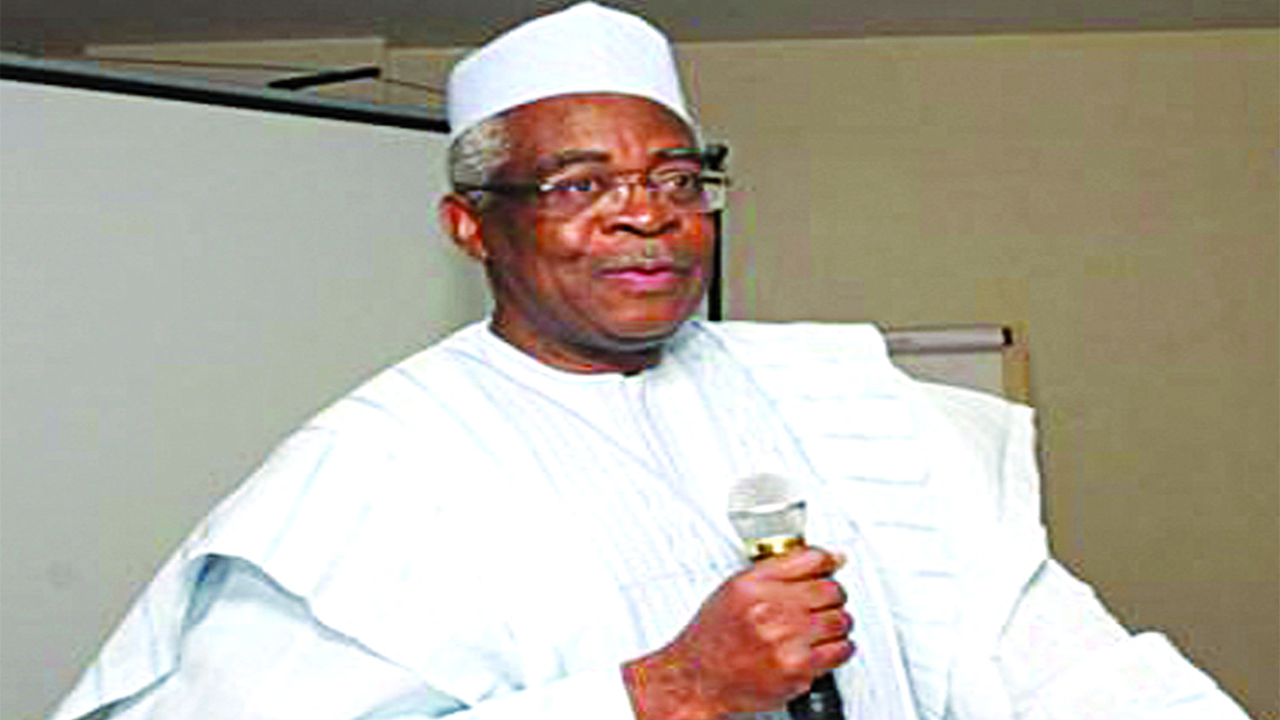
Chief Justice Solomon Asemota and Lieutenant General Theophilus Yakubu Danjuma are two prominent veterans of Nigeria’s public sphere. Asemota, a former police officer and lawyer, stands alongside Danjuma, a military veteran renowned for his critical contributions to the nation over the past fifty years. While both have been pivotal in shaping Nigeria’s history, Danjuma’s influence is particularly noteworthy, especially now that they both celebrate their landmark eightieth birthdays—Asemota on December 8 and Danjuma on December 9.
Danjuma’s Political Influence Without Office
Among Nigeria’s politically influential military figures, Danjuma stands out, trailing only Olusegun Obasanjo and Ibrahim Babangida, though he never held a formal political office. Primarily serving in the army, he retired as Chief of Staff, yet remained a formidable presence both inside and outside of government. When Obasanjo assumed the presidency in 1999, he successfully coaxed Danjuma into the role of Minister of Defense, although Danjuma made it clear that he intended to limit his time in office.
A Surprising Show of Support for Democracy
Known for his reserved demeanor, Danjuma shocked many in 1993 when he appeared at Chief Moshood Abiola’s residence in Ikeja, Lagos, amidst the national uprising against the Interim National Government (ING). This regime had come to power following the tumultuous ousting of General Ibrahim Babangida. That day, Danjuma poignantly read a poem that cast his support for democracy and denounced military rule—a voice that, unfortunately, was rare during the oppressive years under General Sani Abacha. After Abacha’s exit, Danjuma and Babangida played instrumental roles in recruiting Obasanjo for the 1998 presidential election.
Early Military Career and the 1966 Coup
Danjuma’s significant entrance onto the national stage began in 1966 at age 29, shortly after enlisting in the military. He began his education at Benue State Secondary School (now Government College, Katsina-Ala) and went on to study at the Nigerian College of Arts, Science and Technology (now Ahmadu Bello University). This foundation prepared him for a life in the military, but the January 15, 1966 coup transformed both his life and the trajectory of Nigeria. The coup initiated a bloody upheaval, resulting in the deaths of key political figures, including Prime Minister Alhaji Abubakar Tafawa-Balewa.
The July Coup and its Consequences
Danjuma’s involvement in the subsequent July 29, 1966 coup highlighted the complexities of military politics. As a leading officer, he was integral in the capture of General Aguiyi Ironsi, who had taken power following the January coup. The new faction designated Lieutenant Colonel Yakubu Gowon as the head of state, who brought stability amidst a chaotic political landscape. Over the years, Danjuma emerged as a crucial figure during various regimes and political transitions, including the overthrow of Gowon’s government in 1975, where he assumed the role of Chief of Staff in a dramatically altered military hierarchy.
Asemota’s Legal Legacy
Like Danjuma, Asemota’s contributions to Nigeria’s political landscape are profound and often understated. A trained lawyer and seasoned public figure, Asemota gained recognition for his role in advocating constitutional reforms. Notably, he represented Chief Olu Falae in a court challenge against Obasanjo’s purported electoral victory in 1999. Despite pressures from members of the military regime to annul the election, Asemota remained resolute in his commitment to his client’s cause, ultimately averting a potential crisis that could have rekindled military rule.
Call for Historical Narratives
As both figures reach the twilight of their lives, there is an urgent need for them to share their rich narratives. Biographies like Lindsey Barrett’s “Danjuma: The Making of a General” only scratch the surface of their storied lives. Asemota, with his extensive background in law and reform, also possesses invaluable insights into Nigeria’s political landscape. Their stories are not just personal histories but important lessons for future generations, reflecting the complex interplay of military power and civilian governance in Nigeria.
