


McALLEN, Texas — A young father endured a harrowing five-month wait for his 3-year-old daughter to be released from federal custody after she crossed the U.S.-Mexico border with her mother. His hope for a safe reunion turned to despair when he learned through court intervention that his daughter had suffered sexual abuse while in a protective care home, following their separation by immigration officials.
“She had been there for a very long time,” said the father, a legal permanent resident. He expressed his belief that earlier action could have prevented the abuse. Speaking to The Associated Press under the condition of anonymity to protect his daughter’s identity, he recounted the anguish of waiting for news.
Last year, the Trump administration implemented new rules targeting detained immigrant children, significantly extending their detention times. In a move to strengthen family detention policies, the government has sought to modify regulations that previously safeguarded immigrant children in federal custody.
The father’s attempts to reunite with his daughter were met with hurdles, including unavailable fingerprinting appointments. After enduring months of uncertainty, he was distraught to learn that during her time in foster care, the girl reported being sexually abused by an older child at a facility in Harlingen, Texas. Court documents reveal that she had come to her caregivers’ attention when her underwear was found on backward, and she later disclosed repeated abuses that left her injured.
In this trying time, officials from the federal Office of Refugee Resettlement (ORR) informed the father of an “accident” involving his daughter, asserting that she would undergo medical testing. “I asked them, ‘What happened? I want to know. I’m her father. I want to know what’s going on,’ but they wouldn’t give me additional details, telling me the matter was under investigation,” he recounted.
The girl’s ordeal included a forensic examination and interview, with the results not communicated to her father. The alleged abuser was subsequently removed from the foster care program. Lauren Fisher Flores, the attorney representing the girl, confirmed that the abuse was reported to local police, highlighting the challenges of protecting vulnerable children while in government care.
Changes in Immigration Release Policies
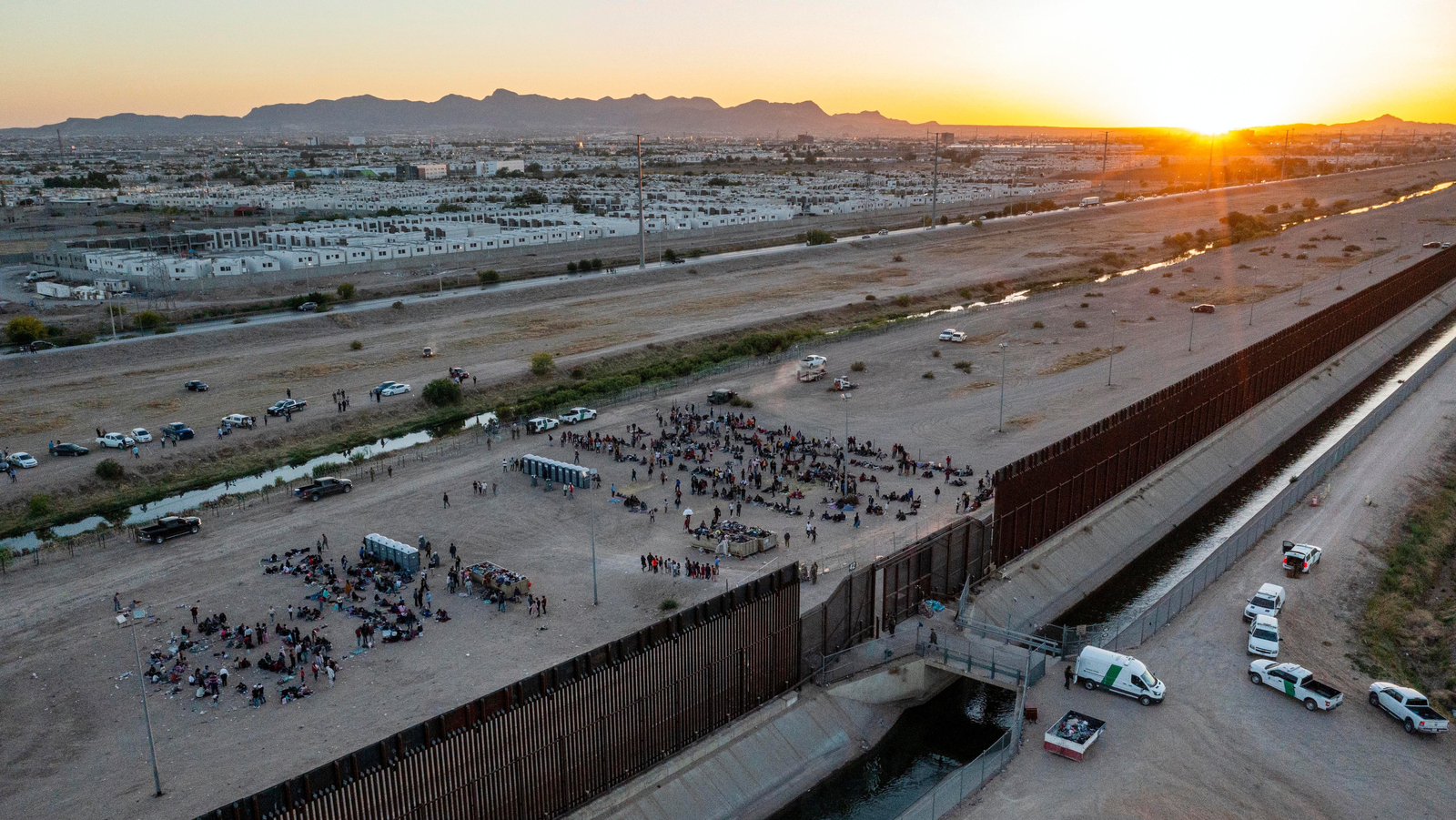
The girl and her mother crossed the border illegally near El Paso on September 16 of last year. Following her mother’s arrest for making false statements, the young girl was placed in ORR’s care, an agency responsible for the welfare of immigrant children in shelters and foster homes.
Under policies introduced during the Trump administration, strict documentation requirements for sponsors were enforced. Border officials began exerting pressure on unaccompanied minors to leave voluntarily before shelter transfer, while Immigration and Customs Enforcement (ICE) raised the stakes by arresting sponsors during the release process. This led legal advocates to file a lawsuit, anticipating that such changes would result in prolonged detention for vulnerable children.
Statistics reveal a marked increase in custody duration for children in ORR’s care—from an average of 37 days when President Trump took office in January 2017 to nearly 200 days by February 2023. At the same time, the total number of children in ORR custody has been reduced by half.
To address these challenges, legal teams have increasingly resorted to habeas petitions as an expedited avenue for the release of children to their parents or guardians. As noted by Fisher Flores, the legal director of the American Bar Association’s ProBar Project, the organization has filed eight habeas petitions thus far this year, advocating for children who have found themselves in federal custody for an average of 225 days—a significant uptick compared to previous administrations.
Disclosure of Allegations Delayed
After enduring prolonged delays, the father’s lawyers reached out to the government in February, seeking approval for his fingerprinting and home visit, as well as permission for a DNA test. However, ORR continued to delay without providing any timeline for the girl’s release. Following the filing of a habeas petition in federal court, the girl was released to her father just two days later.
During the preparations for this petition, it became clear to the father that the “accident” referenced by authorities was, in fact, suspected sexual abuse. Fisher Flores emphasized the critical role of legal intervention in pressing the federal government to act on the father’s request for his daughter’s sponsorship.
Advocacy groups have consistently challenged the fingerprinting policy in the context of child welfare during the initial Trump presidency. Additional nationwide lawsuits are currently addressing changes to the custody and care of immigrant children, with concerns about the long-term implications of these policies.
Describing the girl’s case as an example of family separation, Neha Desai from the National Youth Law Center highlighted the contradictions in current practices compared to the legal framework designed to protect children’s rights. “A bipartisan Congress established these protections on the principle that children should be swiftly and safely reunited with their families, yet this administration has systematically overlooked this obligation,” Desai noted.
Upon their reunion, the father was overwhelmed with emotion, relieved to see his daughter after such a traumatic separation. However, he soon noticed behavioral changes in her. The prolonged detention had taken a toll, leading to nightmares and increased agitation—a stark contrast to the calm demeanor she once had.
Currently, the pair are residing with the girl’s grandparents in Chicago as her immigration case progresses through the courts.
