


Tennessee Republicans Shift Stance on Voucher Program Expansion
In a notable turnaround, Tennessee Republicans have reversed their previous position regarding a bill related to voucher expansion. Just a week after amending the legislation to include immigrant reporting requirements, the House Finance and Revenue Committee passed the bill by an 18-10 vote. The proposed changes aim to increase the number of vouchers available for the 2026-27 school year from 20,000 to 35,000. Governor Bill Lee and Republican leaders are advocating for this significant expansion of the statewide voucher program, which allocates public funds for private school tuition.
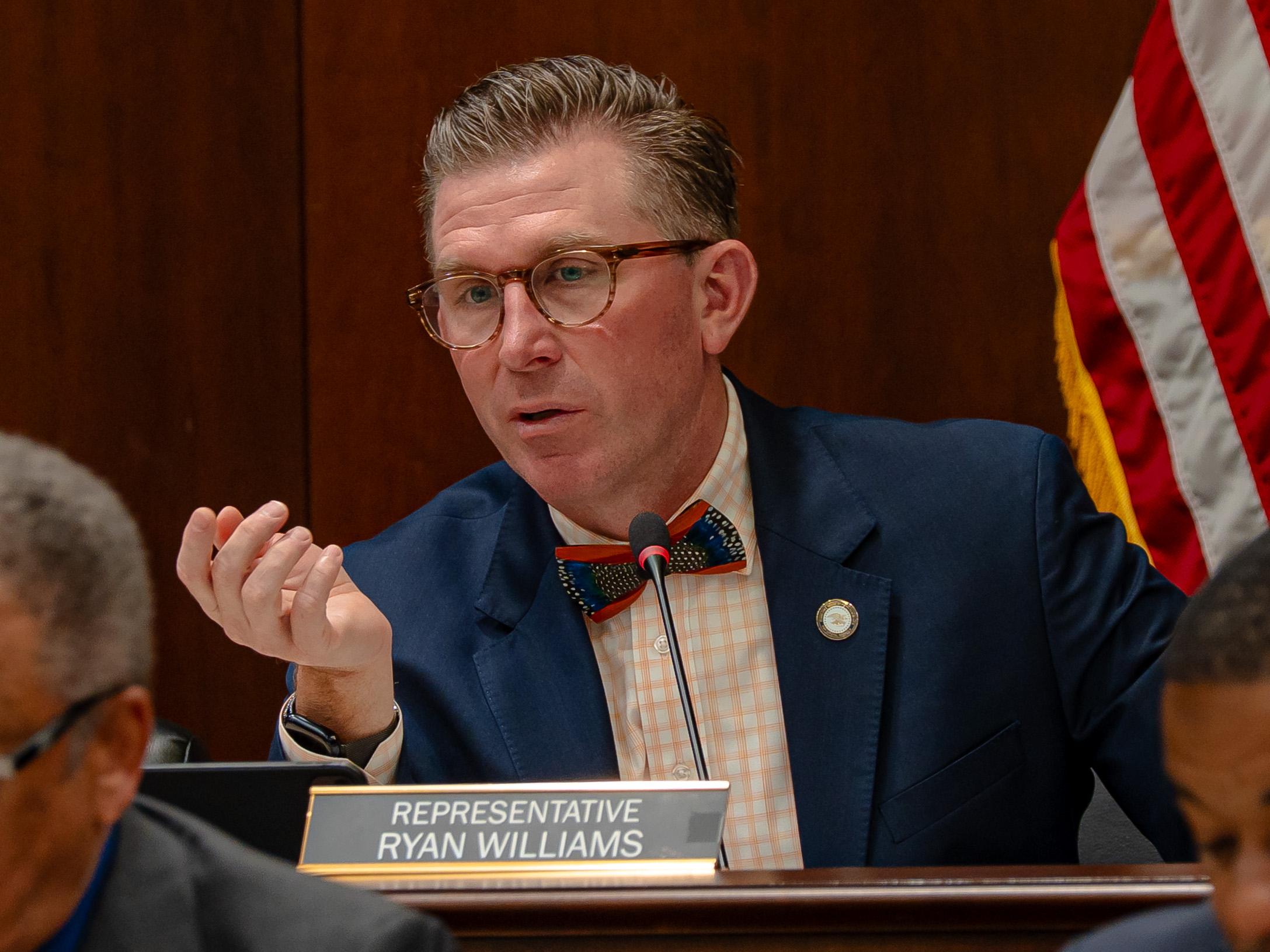
While the majority of the committee supported the bill’s passage, three Republicans—Rep. Mark Cochran, Rep. David Hawk, and Rep. Gary Hicks—joined all Democratic members in opposition. The original proposal, co-sponsored by House Minority Leader William Lamberth and Senate Majority Leader Jack Johnson, sought to double the available vouchers to 40,000. However, an amendment introduced by Rep. Ryan Williams has since adjusted the cap to a lower figure, projecting a fiscal impact of approximately $114 million on the state’s budget.
Williams’ amendment not only modifies the voucher cap but also includes a previously proposed requirement mandating public school districts to collect and report student immigration status to secure state funding. Although this stipulation moved through the subcommittee without public commentary, Williams ultimately decided to eliminate it prior to the full committee’s review.
Following the committee meeting, Williams shared that the focus of his adjustment was to clarify the prioritization of voucher recipients. He emphasized the need to ensure that the “hold harmless” provision, which protects school districts from losing funding under the state’s per-pupil allocation system, remains effective. This provision safeguards districts against financial losses when students opt for voucher programs instead of attending public schools.
The latest amendment specifies that the state will maintain funding levels exclusively for students leaving public schools due to vouchers, without compensating for other types of attrition. Williams affirmed the importance of supporting public education, asserting that it was “less fiscally conservative” to divert funds away from public schools than to accommodate other forms of student exit.
The revised bill introduces alterations to the income-based prioritization for voucher applicants. Starting in the 2027-28 academic year, vouchers will be allocated in a structured manner, favoring students who previously received vouchers, followed by those from low-income households. This systematic approach aims to ensure that limited resources prioritize students in critical need.
Williams acknowledged that while some desired provisions—like limitations on voucher access for high-income families—were not included in the final amendment, he felt satisfied with the overall adjustments. The changes are viewed as a response to voter concerns regarding the pace of voucher program expansion, especially among those wary of duplicating existing structures without sufficient oversight.
Advocacy groups continue to express mixed feelings regarding the bill. Tori Venable, president of America for Prosperity Tennessee, expressed her support, emphasizing that any expansion to the voucher program represents a step forward, particularly within the context of budgetary limitations. While the legislation marks a pivotal moment in education funding, its implications will continue to resonate across Tennessee’s educational landscape.
