


Delays in Immigration Status Renewals Impact California Educators
Teachers in California’s Central Valley face possible removal from their classrooms as delays in renewing immigration statuses and work permits extend well beyond typical timelines. One educator, still waiting for her update, shared that the processing status remains “in progress.” If she loses her permit, the children in her class could lose their teacher overnight.
“I’m scared,” she expressed, asking to remain anonymous due to concerns about personal safety and immigration enforcement. Her work permit expired last week. Across the country, Deferred Action for Childhood Arrivals (DACA) recipients, including many educators in California, are experiencing renewal delays that can last over five months, raising the risk of sudden staffing shortages and exposing the fragility of their temporary immigration status.
Approximately 506,000 individuals across the United States are beneficiaries of DACA, with nearly 28% residing in California. According to the President’s Alliance for Higher Education, there are roughly 6,784 educators with DACA status in the state’s K-12 and higher education systems. These educators remain concerned about the repercussions of potential policy changes reminiscent of the Trump administration’s immigration policies.
Current Legal Status of DACA
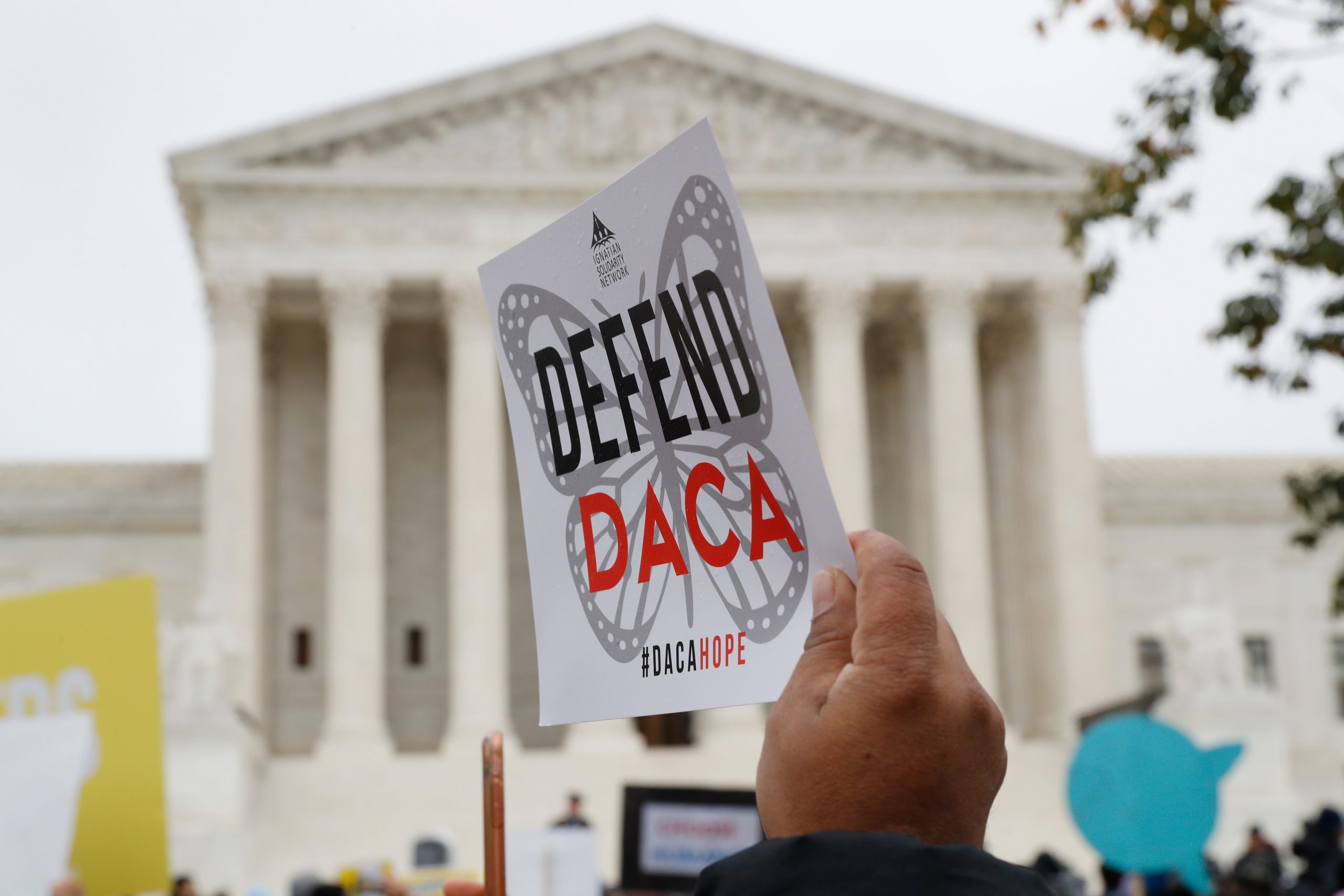
The DACA program, established during President Barack Obama’s administration, permits eligible undocumented immigrants who arrived in the United States as children to secure temporary work authorization and protection against deportation. Recipients must renew their status every two years, but the program does not provide a pathway to citizenship and is subject to abrupt termination. A federal appeals court has expressed skepticism about DACA’s validity, sending the matter back to a Texas district court for re-evaluation.
Despite the uncertainty, U.S. Citizenship and Immigration Services (USCIS) continues to accept and process DACA renewal applications unless a court enforces otherwise or policy changes occur.
Complications in the Renewal Process
Each month, approximately 19,000 DACA recipients must seek renewal. Data from USCIS indicate median processing times have risen from one month at the end of 2023 to over two months by early 2024, lengthening the timeline significantly. The renewal process has also grown more complex. The National Immigration Law Center highlights that applicants must now complete additional steps, including in-person fingerprinting appointments reinstated after pandemic-related suspensions, which may vary depending on an applicant’s country of origin.
Immigration attorney Megan Krutt notes that the financial burden associated with the renewal process poses another significant challenge for DACA holders. One early education teacher, for instance, filed her application three months in advance to gather the $600 needed for renewal and attorney fees.
According to USCIS, applicants are encouraged to submit their renewals four to five months before their permits expire. However, no matter how early they apply, DACA recipients are still confronted with hurdles. Many, like the early education teacher, complete all required steps but still find their online case trackers stuck on “in progress.” Efforts to query federal authorities about their status often result in scant information.
Impact on Livelihoods and Educational Continuity
When work permits expire during the renewal process, recipients lose authorization immediately, leaving employers unable to retain them. As a result, several school districts are placing affected educators on unpaid administrative leave. The Fresno Teachers Association reports that while five educators are currently on leave, that number is expected to rise. “It’s not just about being unable to work; it disrupts the entire classroom,” noted Aya al-Duraji of United We Dream. “Teachers are vital to students’ learning experiences. What happens when they are suddenly gone?”
Every morning, this early education teacher is greeted warmly by her 1-, 2-, and 3-year-old students. She has cultivated strong bonds with them over the past nine months as they embark on their learning journeys together. Losing her job would mean not just losing her income but would also disrupt the stability that these young children have come to depend on.
Concerns of Deportation and Uncertain Futures
DACA recipients awaiting renewals are increasingly concerned about potential deportation should their permits lapse. During the Trump administration, some individuals were detained and deported even when they were eligible for DACA protection. In a troubling pattern, nearly 300 DACA recipients faced detention and around 90 were deported in just a 10-month span in 2025. Advocates assert that the program and its beneficiaries are under renewed scrutiny, with some states stripping DACA recipients of access to health insurance under the Affordable Care Act and in-state tuition benefits.
“This is an unprecedented time of vulnerability for DACA recipients,” al-Duraji said. “Delays and deportations are threatening protections that were once a safeguard.” For many educators, DACA represents the best opportunity to remain in the U.S., especially as alternatives like family-based asylum paths do not apply to everyone. School districts and universities can sponsor employment-based green cards for immigrants, including DACA recipients, but many remain uncertain about their futures in education and their ability to stay in the country.
Advocates emphasize the urgent need for federal legislation to create a permanent pathway to citizenship for DACA recipients. “We need sustainable solutions for individuals who have dedicated their lives to their communities, economies, and workplaces,” al-Duraji added.
This report also includes contributions from EdSource reporter Zaidee Stavely.
EdSource serves as California’s largest independent newsroom focused on education.
