


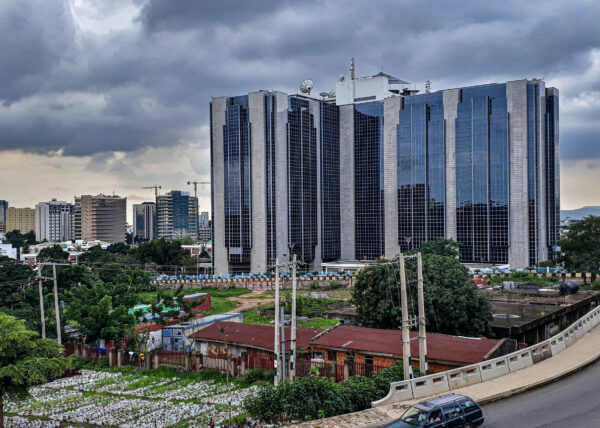
Foreign Exchange Reserves Reach $49.49 Billion in Nigeria
The Central Bank of Nigeria (CBN) announced that as of May 15, the country’s total foreign exchange reserves stood at $49.49 billion. This amount is sufficient to cover 9.04 months of imports for goods and services, providing a strong buffer for Nigeria’s economy.
CBN Governor Highlights Economic Growth
During a press conference following the 305th Monetary Policy Committee (MPC) meeting in Abuja, CBN Governor Olayemi Cardoso provided insights into the latest economic developments. He revealed that Nigeria’s non-oil sector experienced notable growth in the fourth quarter of 2025, primarily driven by robust activities within the service sector, including information communication, transportation, and storage.
Oil Sector Improvement During Q4 2025
In addition to the non-oil sector, the oil sector also saw growth during the same period, attributed to advancements in refining processes within the downstream sector. This upward trend reflects a broader recovery in Nigeria’s economic landscape post-pandemic.
Comparison of Foreign Exchange Reserves
As of mid-May 2026, the CBN reported that total foreign exchange reserves have risen from $48.35 billion at the end of March. This increase, although slightly down from the peak of $50.45 billion reported during the previous MPC meeting in February, still underscores the resilience of Nigeria’s financial standing.
Real GDP Growth and Investor Confidence
Cardoso noted that Nigeria’s real GDP growth rate improved to 4.0% in Q4 2025, an increase from 3.98% in the previous quarter. This growth was bolstered by expansions in both the industrial and agricultural sectors. He emphasized that the current reserves continue to enhance investor confidence in the Nigerian economy, even in the face of anticipated global inflationary pressures.
Global Economic Challenges Ahead
Looking ahead, Cardoso warned of slower global economic growth in 2026 compared to 2025, a trend influenced by rising geopolitical tensions, volatility in energy markets, and tightening financial conditions. He cited challenges such as elevated energy prices, agricultural costs, and ongoing supply chain disruptions as potential contributors to increasing global inflation in the short term.
Balancing Inflation with Economic Policy
In light of these challenges, the Governor acknowledged that persistent core inflation has hindered disinflation efforts in many advanced economies. He anticipated that currency pressures in several emerging markets would exacerbate price levels in the near to medium term. Consequently, many central banks are adopting a cautious, data-driven approach, curtailing or pausing monetary easing to combat inflation. Despite potential short-term inflation increases, Cardoso expressed confidence that Nigeria’s economic policies aimed at curbing inflation will prove effective, paving the way for a return to disinflation in the longer run.
