


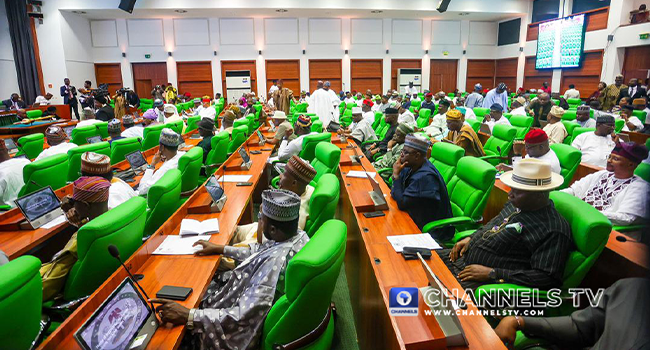
House of Representatives Demands Accountability Amid Rising Security Concerns
On Tuesday, the House of Representatives summoned key government officials to provide clarity on the allocation of security funds, as violent attacks, kidnappings, and killings continue to escalate across several states in the Northwest region. Lawmakers unanimously agreed to call upon National Security Adviser (NSA) Nuhu Ribadu, Defence Minister Mohamed Badal Abubakar, and Finance and Coordinating Economic Affairs Minister Wale Edun to explain the financial expenditures within the defense sector. This demand follows widespread concerns over Nigeria’s deteriorating security situation, despite substantial budgetary allocations.
Urgent Motion Highlights Escalating Violence
The motion that prompted this intervention was introduced by MP Sulaiman Gumi, who represents the Gumi/Bukuyum Federal Constituency in Zamfara State. In a passionate speech during the plenary session, Mr. Gumi articulated his grave concerns regarding the escalating violence in Zamfara and neighboring states. He pointed out that ongoing attacks by armed groups devastate communities, displacing residents and triggering a humanitarian crisis that demands urgent attention.
Recent Attacks Underscore the Urgency for Accountability
Mr. Gumi specifically noted a series of deadly attacks occurring from June 1 to June 6, 2026, wherein armed assailants on approximately 250 motorcycles invaded communities near Gumi/Bukuyum, resulting in the deaths of 93 individuals. He also highlighted alarming trends in kidnapping incidents, particularly those targeting students and faculty at the Federal University of Technology. This underscores the increasing vulnerability of educational institutions and surrounding communities.
Grim Statistics from Zamfara and Surrounding Areas
He recounted a disturbing string of kidnappings, including an incident between June 2 and June 3, where seven students from the Federal Polytechnic in Kaura Namoda were abducted from their off-campus dormitory. Earlier, two senior lecturers at the same institution were taken hostage and held for over two months, even after a ransom was paid. Furthermore, he detailed violent incidents in local government areas such as Zurmi and Talata Mafara, where not only were lives lost, but several individuals were also taken captive.
Banditry Spreads Beyond Zamfara
The situation is not confined to Zamfara; banditry has begun to spread to other Northwest states, including Sokoto, Katsina, Kaduna, Kano, Kebbi, and Jigawa, which are frequently subjected to attacks and forced evictions. Mr. Gumi recounted a particularly deadly episode in Sokoto State on May 31, when armed assailants invaded Dangurubi community, resulting in the deaths of 17 villagers. Over 15 communities within Sokoto’s local government areas have been extensively ravaged by relentless banditry.
Lawmakers Call for Structural Reforms and Policy Reviews
Echoing these sentiments, Rep. Abubakar Yelman urged the National Assembly to expedite discussions on establishing a state police force, emphasizing that localized policing could enhance intelligence gathering and response times. This viewpoint garnered support from several lawmakers, including Representative Olumide Osoba, who argued that Nigeria’s security challenges necessitate structural reforms, alongside increased funding. Congressman Babajimi Benson recommended revisiting the cashless policy framework to help curb ransom payments and disrupt kidnapping syndicates.
Comprehensive Strategy Needed for Addressing Security Issues
Congressman Ademolin Kwe emphasized the necessity for stronger financial oversight within the currency exchange sector to combat illicit transactions potentially funding criminal networks. He advocated for a formal ban on ransom payments to kidnappers and suggested that the Central Bank of Nigeria monitor currency exchange operations closely to prevent illegal financial flows. Following the motion’s adoption, the House resolved to summon the NSA and the ministers to provide a comprehensive briefing on security expenditures and operational challenges while underlining the need for enhanced resources in the affected regions.
Recognizing that insecurity often stems from a combination of socio-economic factors, lawmakers have also urged various ministries to pursue comprehensive strategies that address the root causes of violence. As pressure mounts for effective responses, the National Defense Committee and other relevant bodies are tasked with monitoring compliance with these resolutions, with an obligation to report back within two weeks. This latest intervention highlights the growing urgency for a coordinated and accountable national response to Nigeria’s persistent security crises, reflecting deep-seated public concerns regarding the effectiveness of the current security expenditures.
