


In November 1983, Ernesto Fuentes fled his home country of El Salvador, journeying through Mexico to reach Philadelphia. As an activist, he dedicated himself to distributing food and medicine at a refugee camp in El Salvador. Meanwhile, Linda Fuentes organized unions in banks and clothing factories.
The Salvadoran government viewed activists like Ernesto, including suspected guerrilla fighters and union leaders, as serious threats. Placed on a death squad’s hit list, the couple ultimately chose to separate following a series of threatening letters and phone calls.
With the aid of a humanist church group and forged documents, they arrived at Tabernacle United Church in West Philadelphia on May 12, 1984. The church had declared itself a public sanctuary for illegal refugees from El Salvador and Guatemala. At the time, an estimated 500,000 Salvadorans were living unlawfully in the United States.
The Fuentes family utilized the pastor’s office as their makeshift bedroom, while the church’s members were instructed to secure their doors and deny entry to outsiders, particularly those from the Immigration and Naturalization Service.
As a historian focused on race and policing in Philadelphia, I have examined the city’s sanctuary movements over the past four decades. As the daughter of immigrants, I find it crucial to illustrate how local faith congregations, activists, and city officials have continuously supported refugees seeking safety.
Philadelphia’s Identity as a Welcoming City
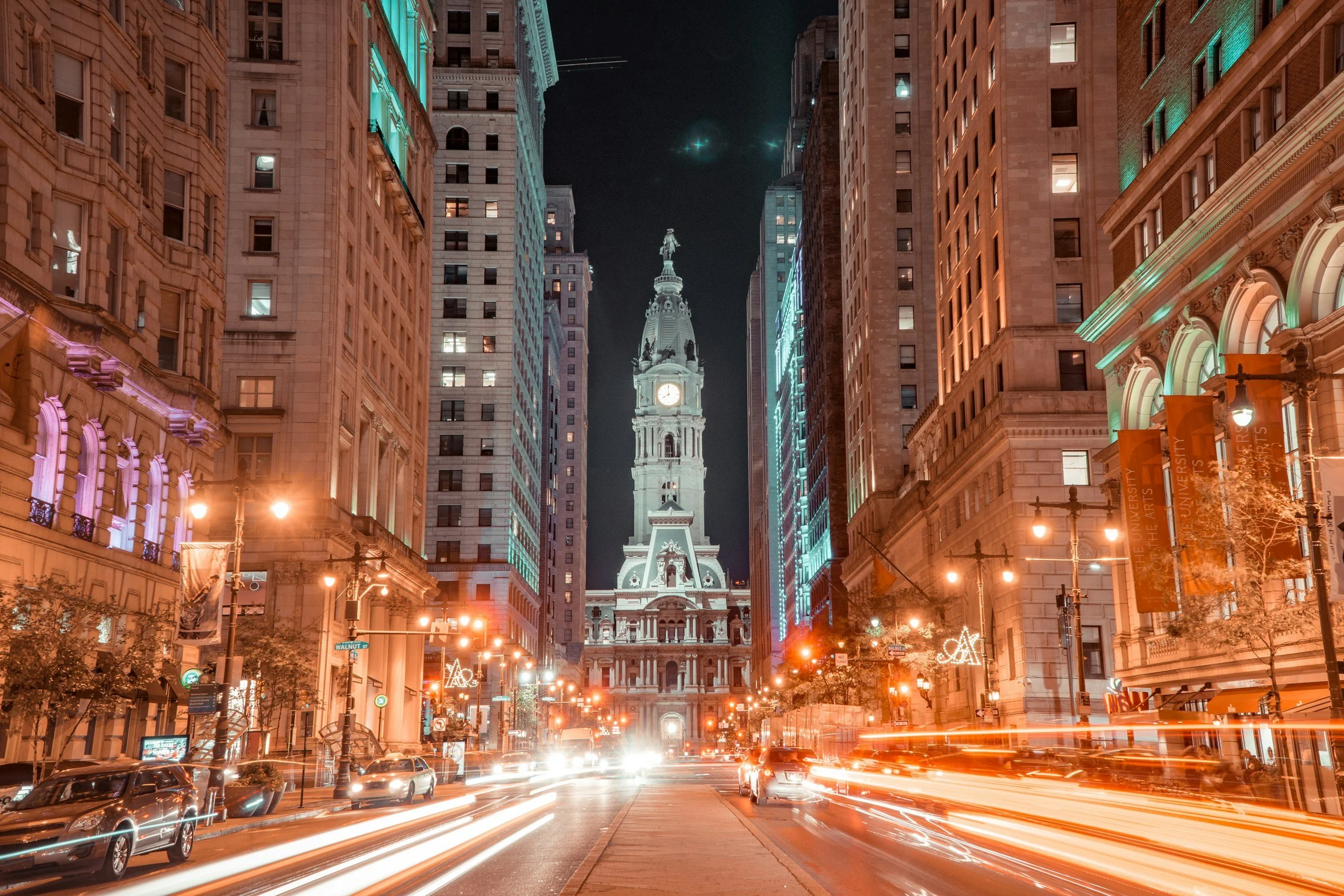
Mayor Sherrell Parker has underscored Philadelphia’s designation as a “welcoming city” since May 2025. Notably, she refrains from using the term “sanctuary city.” This welcoming designation encompasses immigrant-friendly policies and initiatives that offer access to education, housing, labor rights, legal services, and language assistance to immigrants and refugees.
This phrasing appears to serve a strategic purpose: protecting the city from federal scrutiny while also securing approximately $2.2 billion in federal funding for health and welfare services. Despite the semantics, Philadelphia has functioned as an official sanctuary city in many respects.
In 2014, then-Mayor Michael Nutter enacted policies that exempted local police from assisting Immigration and Customs Enforcement (ICE) unless specific legal conditions were met. While Nutter later retracted this sanctuary status due to political pressures, his successor, Mayor Jim Kenney, reinstated those protections on January 4, 2016.
In the wake of President Trump’s administration in 2017, local authorities faced significant challenges, including executive orders mandating police cooperation with ICE. Yet Philadelphia emerged victorious in a 2018 lawsuit that prohibited ICE from accessing police databases to track undocumented immigrants.
The Historical Roots of Sanctuary Movements
The sanctuary movement dates back to the 1960s, initially focusing on American draft resisters opposed to the Vietnam War. Churches across northeastern states provided refuge to these individuals, with early notable cases involving resisters like Robert Talmanson, who was arrested while sheltered in a Boston church.
By November 1971, Berkeley, California, became the nation’s first sanctuary city, prompting local churches to band together and successfully advocate for protections against immigrant-related fines and arrests. Over the following two decades, various religious congregations extended sanctuary to Central American refugees fleeing civil conflict and government oppression.
Philadelphia’s Involvement in the National Sanctuary Movement
In January 1984, members of the Tabernacle United Church voted to join the national sanctuary network in response to widespread dissatisfaction with unfavorable US immigration policies, particularly regarding Central Americans. By May, the Germantown First United Methodist Church adopted similar measures.
During a nationwide crackdown by ICE on January 14, 1985, several immigrants, including a Guatemalan couple and their child, were arrested but later rescued by church members. By the mid-1980s, around 42,000 individuals from over 2,000 religious organizations participated in the Sanctuary Movement nationally.
Shifting Paths to Citizenship
On November 6, 1986, the Immigration Reform and Control Act, signed by President Ronald Reagan, allowed undocumented immigrants who arrived prior to 1982 to apply for amnesty. Approximately 3 million individuals successfully gained legal status through this program, although concerns about its legitimacy persisted among immigrant communities.
As immigration enforcement tightened in the mid-1990s, laws such as Section 287(g) of the Immigration and Nationality Act empowered local police to assist federal immigration authorities. As of April 2026, over 1,600 law enforcement agencies in 39 states had entered into agreements with ICE.
Community Initiatives Ongoing
Nearly 16% of Philadelphia’s 1.6 million residents are immigrants, primarily hailing from Asia and the Caribbean. While the exact number of undocumented immigrants remains unclear, estimates suggest around 250,000 individuals lack legal status in Pennsylvania.
Since January 2025, ICE operations in other sanctuary cities have increased, resulting in a surge of individuals in ICE custody. Amid rising tensions, citizens and advocacy groups are mobilizing to safeguard immigrants from ICE actions. Recent legislative efforts, such as the “ICE OUT” package introduced by City Council members, aim to limit local police cooperation with federal immigration authorities, further safeguarding community spaces from enforcement actions.
Today, faith-based organizations in Philadelphia continue to uphold the sanctuary tradition, advocating for the rights of undocumented immigrants as they seek refuge and a fresh start in the United States.
