


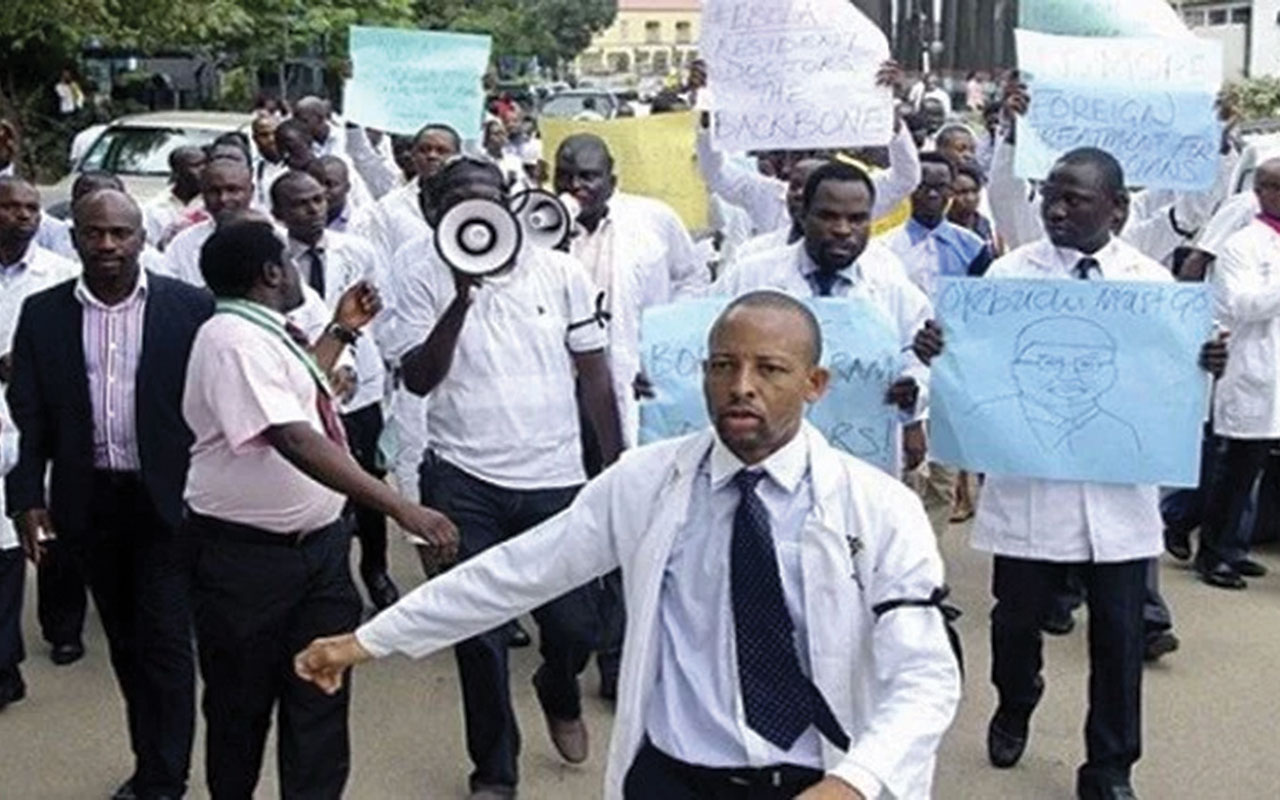
Ongoing Strikes in Nigeria’s Health Sector Intensify Crisis
The persistent strikes within Nigeria’s health sector, driven by inadequate employee benefits, low salaries, and government failure to honor agreements, are inflicting more damage on public health than any epidemic. Stakeholders warn that if this trend continues unchecked, the already dire situation could escalate further, as outlined by Chukwuma Muanya.
Impact of Strikes on Healthcare Access
Numerous studies indicate that recurrent strikes by healthcare workers result in the closure of public health institutions, depriving many Nigerians of essential health services. The country’s public health agencies are grappling with an array of challenges, including severe understaffing, inadequate funding, poor management, substandard infrastructure, and a demotivated workforce. Additional factors, such as discrepancies in pay, benefits, promotions, and the government’s ongoing failure to uphold prior agreements, exacerbate the crisis.
Government Inaction Fuels Continued Instability
Successive governments have struggled to effectively address these issues, contributing significantly to ongoing instability in the sector. The ramifications of strikes are heavy; during walkouts at public hospitals, Nigerians suffer, often relying on traditional and herbal remedies when they cannot afford treatment in private facilities. This situation is particularly perilous for pregnant women, individuals with chronic illnesses, and parents of young children.
Widespread Support Among Medical Unions
The latest industrial action has transformed into an extensive strike among doctors, backed by the Nigerian Association of Resident Doctors (NARD) and the Joint Health Sector Workers Union (JOHESU), which encompasses all non-physician healthcare staff. An investigation by The Guardian revealed that the primary catalysts for strikes are inadequate staff benefits, unsatisfactory pay, ineffective management, and the government’s inability to enforce agreements. These actions further disrupt service delivery, hindering training programs, and contributing to rising patient morbidity and mortality while eroding public trust in healthcare institutions.
Call for Respecting Agreements and Improving Governance
Stakeholders advocate for the federal government to honor its commitments to healthcare associations and managers, enforce the National Health Service Act, and ensure that qualified individuals lead health care management. Despite the ongoing turmoil, NARD warned of a potential nationwide strike if demands, such as implementing the “one-for-one replacement policy,” are not met by January 2024. NARD Chairman Dr. Dele Abdullahi emphasized that strikes are not intended to punish the government but are an unfortunate last resort to draw attention to unmet commitments.
Systemic Issues and the Need for Reform
Dr. Abdullahi highlighted that eight months into the new government, there has been no tangible progress in addressing critical staffing shortages. He criticized the government for not adhering to a memorandum of understanding signed in June 2023, indicating ongoing failures in addressing manpower crises. He expressed concern that government officials often disregard signed agreements, making future negotiations challenging and undermining trust between unions and the government.
Need for Enhanced Pay Structures and Working Conditions
To ensure industrial harmony and reduce the exodus of medical professionals, Dr. Abdullahi underscored the need for improved working conditions and appropriate remuneration that reflects economic realities. He argued that instead of arbitrary pay adjustments, compensation should be structured to meet the essential needs of health workers. Additionally, comprehensive upgrades to healthcare facilities are crucial for enhancing efficiency and job satisfaction, as the lack of adequate resources severely limits training opportunities and competitive performance.
Addressing Underlying Issues in Healthcare Management
Medical professionals, including Dr. Dare Godiya Ishaya and Dr. Kingsley Chiedu Amibolu, have identified systemic shortcomings, such as insufficient funding and poor infrastructure as key obstacles to improving healthcare delivery. The recent World Health Organization study rated Nigeria’s health system among the worst globally, largely due to persistent underinvestment. To combat medical tourism and improve healthcare standards, experts stress the necessity of increased funding and strict adherence to commitments made by healthcare authorities.
