


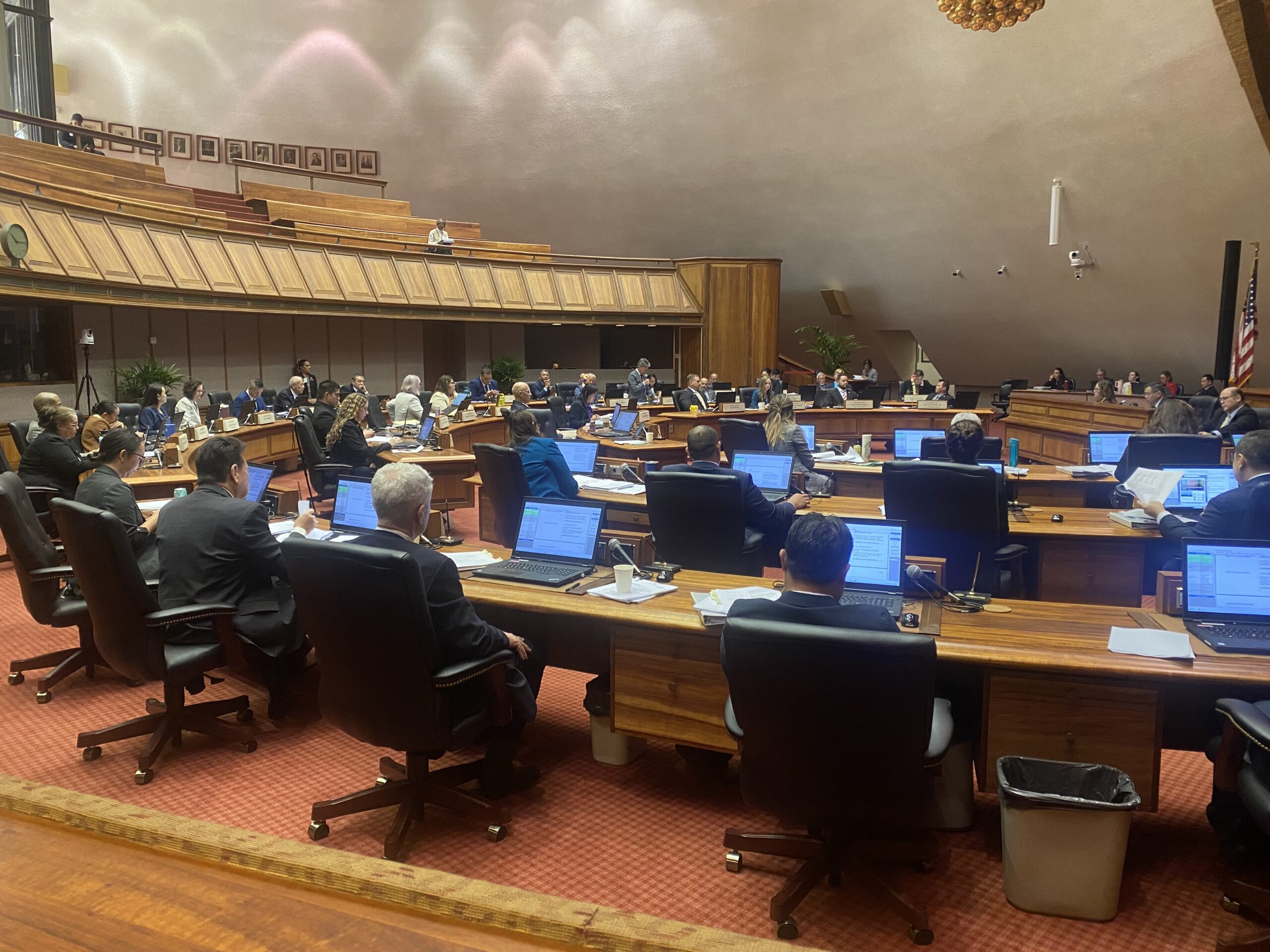
Hawaii lawmakers are on the brink of approving a comprehensive bill aimed at protecting residents from troubling federal immigration operations that have occurred in cities like Minneapolis. This legislative effort seeks to address the concerns raised by these incidents.
On Tuesday, four significant bills passed critical legislative deadlines, with House Bill 1886 standing out as a key proposal. Advocates believe it may represent the most important immigration-related measure of the current Congress. The bill seeks to restrict cooperation between state and federal authorities and U.S. Immigration and Customs Enforcement while also establishing clear identification and facial covering standards for law enforcement personnel.
Under this new legislation, law enforcement officers who fail to display proper identification or wear appropriate facial coverings while interrogating, detaining, or arresting unauthorized immigrants could face criminal penalties.
House Bill 1886 received overwhelming support in the Senate, with only three Republican senators voting against it. Several related measures remain under consideration as Congress gears up for its adjournment on May 8.
While progress has been made on several bills, not all proposed legislation cleared the hurdles. Efforts to facilitate pre-trial bail were rejected, reflecting ongoing challenges in achieving consensus on criminal justice reform. However, numerous other bills passed, including an amendment to allocate $175 million for recovery from recent disaster events, with total damage estimates exceeding $1 billion, according to Sen. Donovan Dela Cruz.
Controversies Surround Immigration Legislation
In a display of solidarity, members of the ACLU of Hawaii and various advocacy groups donned yellow T-shirts at the Capitol, voicing their support for due process and anti-ICE measures.
Lisa Ryan Gill of the Hawaii Immigrant Rights Coalition noted that persistent lobbying efforts, particularly with county law enforcement, have begun to dispel opposition to the proposed bills. Nevertheless, dissent remains among some lawmakers. Republican Sen. Kurt Fevera expressed his concerns regarding House Bill 1839, which mandates that law enforcement agencies inform individuals in custody of their rights before engaging with ICE. He reiterated the importance of accountability in addressing illegal immigration.
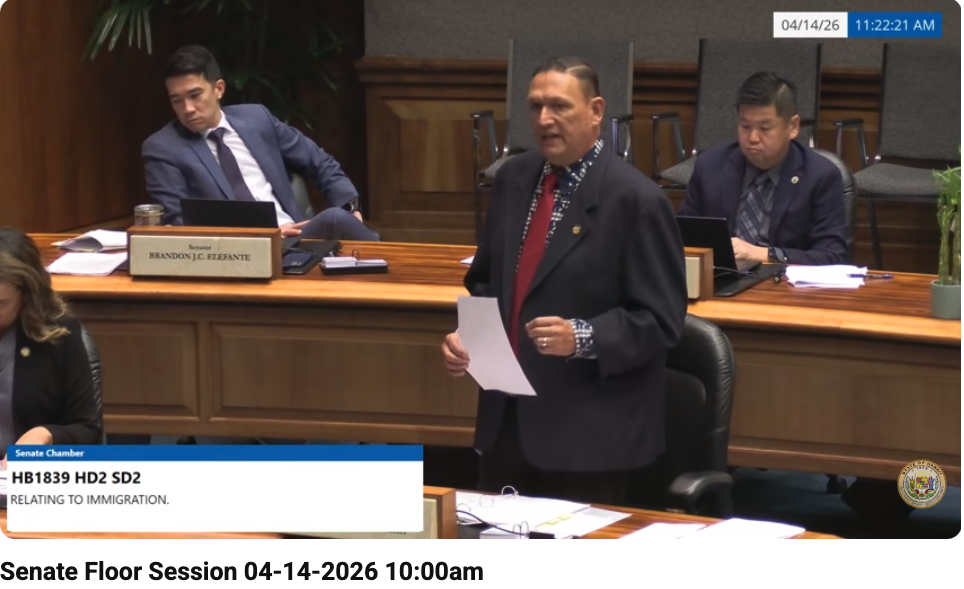
Contrastingly, Sen. Joy San Buenaventura defended the bill. During debates, she articulated the necessity for immigrants to be made aware of their rights, a fundamental expectation that she believes should apply to all individuals, regardless of their immigration status.
Another bill, House Bill 1768, which passed with bipartisan support, would restrict law enforcement from entering agreements that enable state or county agencies to participate in immigration enforcement. Concurrently, Senate Bill 3322 seeks to limit local law enforcement’s collaboration with federal immigration authorities, further emphasizing the shift toward protecting immigrant rights. Additionally, Senate Bill 2203 would impose a prohibition on law enforcement officers wearing masks during official interactions, classifying such actions as misdemeanors.
Debates on Criminal Justice Reform
In a related development, a proposed pre-trial release bill, House Bill 2413, faced rejection amidst concerns of being overly lenient on crime. This bill aimed to mandate pretrial bail for defendants facing minor charges, which sparked heated debates among lawmakers.
Sen. Carl Rose argued that there are sophisticated algorithms capable of evaluating the risk posed by defendants, pushing for a system that more accurately determines who should be held in custody versus released pretrial. This sentiment was met with skepticism from others, including Senator Sharon Moriwaki, who emphasized the need for judges to assess individual cases thoughtfully rather than implementing blanket policies.
Several other legislative measures, including tightening e-bike regulations and addressing invasive species on Molokai, successfully advanced, demonstrating varied legislative priorities. Both chambers of the Hawaii legislature are scheduled to convene again to finalize outstanding bills as they approach the end of the session.
Negotiations on Tax Policies
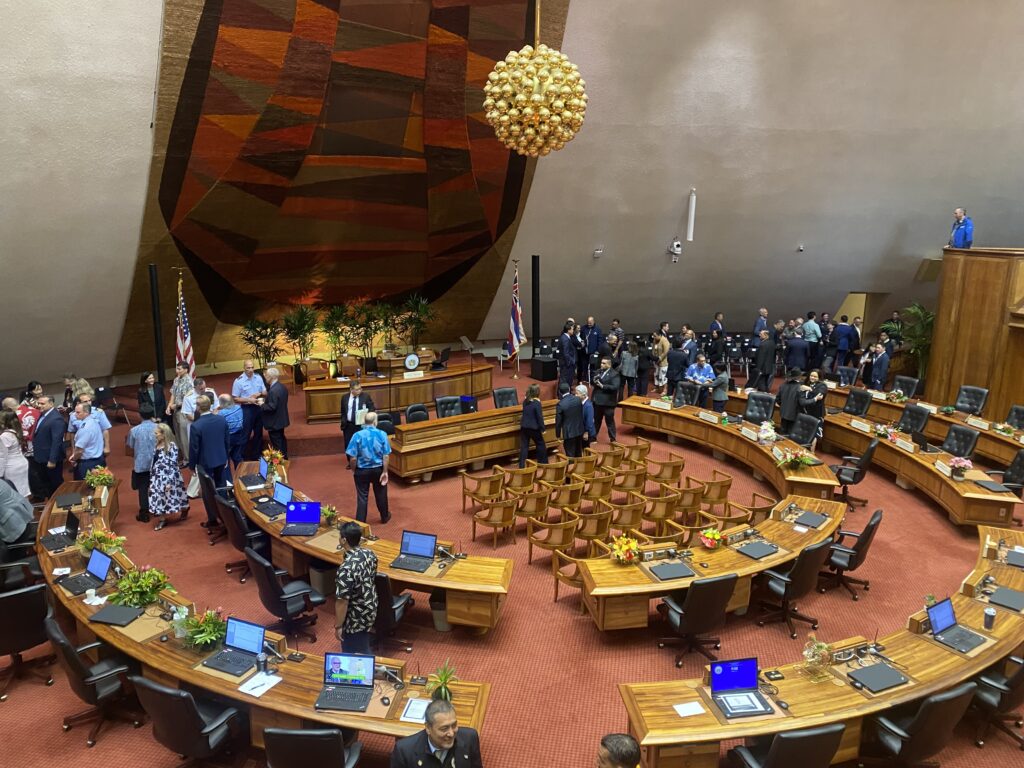
Amidst these legislative discussions, House Republicans leveraged Tuesday’s floor debate to advocate for preserving income tax cuts approved in 2024. The landmark legislation represented the largest tax reduction in state history, intended to provide relief over eight years.
However, Governor Josh Green has recently proposed a pause on these tax cuts, citing the need for funds to support essential state operations amidst federal budget reductions. The projected cost of these cuts could surpass $740 million in lost revenue in the coming year, compelling lawmakers to devise compromises that target tax benefits more effectively.
In response, House Minority Leader Lauren Matsumoto presented a floor amendment seeking to maintain full tax cuts for the majority of Hawaii residents, citing the essential relief needed for families facing rising living costs. House Finance Chairman Chris Todd indicated a willingness to synthesize the various proposals to optimize the benefits for constituents.
Despite the ongoing negotiations, the Democratic-led legislature ultimately rejected the Republican amendment and passed their version of the tax proposal. The House also moved forward with a proposal to increase the state’s toll tax, estimating an annual yield of $150 million for the general fund, reflecting the administration’s efforts to enhance state revenues amidst financial pressures.
