


Delays in DACA Renewal Process Impact Recipients’ Employment and Security
Recent delays in the Deferred Action for Childhood Arrivals (DACA) renewal process have left many recipients unable to work, heightening their vulnerability to potential deportation.
DACA Overview and Renewal Requirements
DACA, a federal initiative, enables individuals who entered the United States illegally as children to reside and work legally. To maintain their status, recipients must renew their applications with U.S. Citizenship and Immigration Services (USCIS) every two years. This process requires a filing fee of at least $500 along with the submission of various documents.
Increased Processing Times Raise Concerns
According to immigration attorney Jean Béjart, the average processing time for renewal applications was about three months last year. However, this duration began to extend in November, alarming many who rely on timely renewals to maintain their employment eligibility.
Advice for DACA Recipients
Béjart advises clients to begin the renewal process six months prior to their expiration date, rather than waiting until the last moment. Without a renewed status and employment authorization, DACA recipients face significant legal and professional challenges.
Risks Associated with Delayed Renewals
Without valid DACA status, recipients risk encounters with immigration enforcement agencies. Béjart explained that such individuals could face detention and deportation proceedings due to their lack of legal status. The situation adds considerable anxiety for recipients who are unsure of their legal standing.
Official Statements on Delays
Matthew J. Tragesser, a spokesperson for USCIS, attributed longer processing times to increased scrutiny under the Trump administration, highlighting a commitment to thoroughly vet all applicants. Tragesser stated that while DACA provides some protection, it does not grant permanent legal status; thus, DACA recipients are not completely immune from deportation.
Personal Impact of DACA Delays
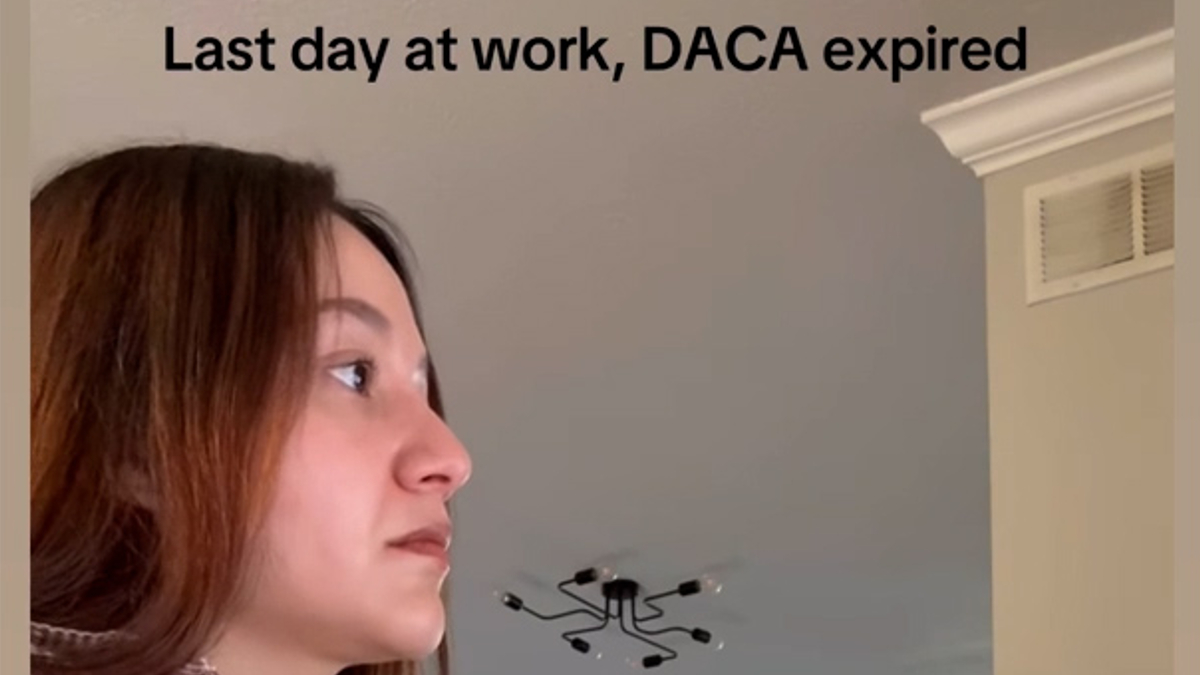
DACA recipient Elsa Sanchez, who moved to the U.S. at the age of four, described how the program has opened numerous opportunities for her. As a customer success manager for an electronic medical records company, she once believed such roles were unattainable. Despite her success, Sanchez applied for DACA renewal in November, but faced uncertainty as her renewal date approached.
Emotional Toll and Financial Strain
Sanchez expressed frustration over the inconsistent updates she received while waiting for her renewal approval. Currently on unpaid leave past her expiration date, she faces financial challenges, including her daughter’s upcoming college tuition. The emotional burden of not knowing when her status will be updated has led to increased anxiety and a feeling of being trapped.
