


Haley Stevens Faces Filibuster Questions in Democratic Primary Debate
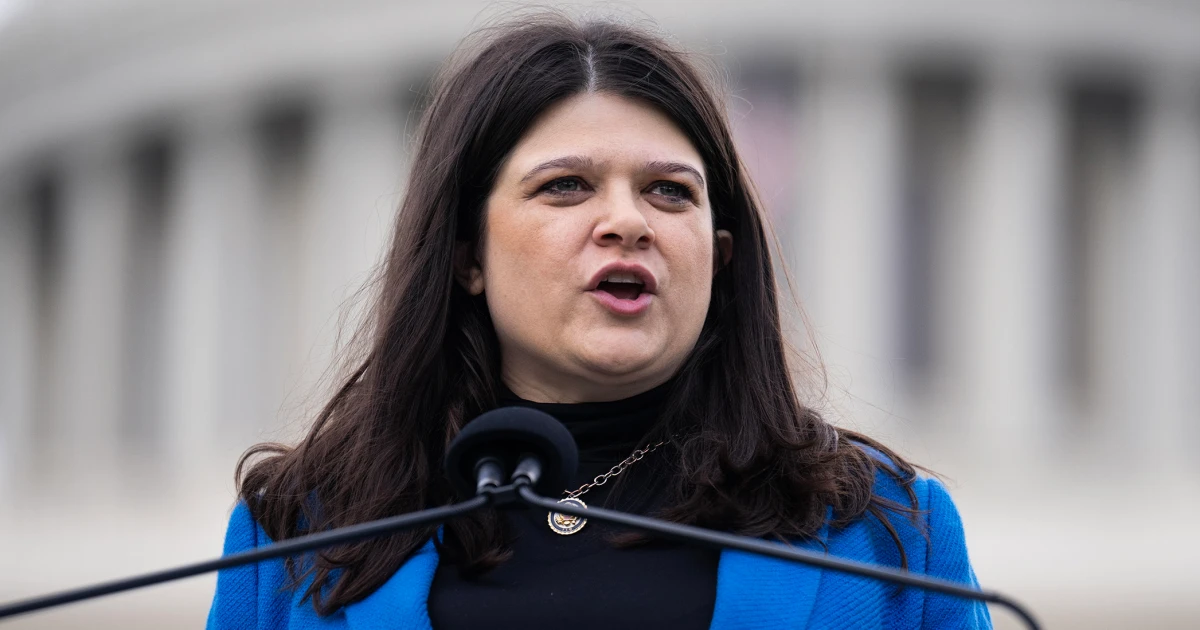
Rep. Haley Stevens (D-Mich.) provided seemingly contradictory responses regarding the Senate’s 60-vote filibuster rule during Thursday’s Senate Democratic primary debate, raising questions about her stance on this pivotal legislative issue.
Stevens stated, “We have to use the filibuster to codify health care,” while also asserting, “We should use the filibuster to not allow big, ugly bills that increase the debt to pass.” This remark referenced President Donald Trump’s “Big and Beautiful” bill, which aimed to extend the 2017 tax cuts and was enacted last year without bipartisan support due to exemptions for certain tax and spending bills from the filibuster.
Internally, the Democratic Party has struggled with its approach to the filibuster, oscillating between calls to abolish it and maintaining its current form. Support for abolishing the filibuster has gained traction in recent years, and both of Stevens’ opponents for Michigan’s Senate seat emphasized their intention to eliminate the rule during the debate, underscoring the urgency of the matter within the party.
During the debate, moderator Stephen Henderson pressed Stevens to clarify her position on the filibuster. In her response, she asserted her desire to “lift the filibuster.” However, Henderson pointed out the inconsistency in her statements when she had previously suggested using the filibuster to address issues related to the national deficit.
Her statements drew criticism from former Senate Democratic aide Tre Easton, who remarked that a prospective senator should possess an understanding of essential Senate rules. Republican operative Matt Whitlock added, “If you don’t even know what a filibuster is, you can’t serve in the Senate.” In the wake of the debate, Stevens’ spokeswoman Caitlin Regacki emphasized that Stevens supports abolishing the filibuster to advance critical issues for Michigan families, including codifying abortion rights and increasing the minimum wage.
During discussions at the Mackinac Policy Conference, opponent Abdul El-Sayed contended that the filibuster effectively allows senators to avoid accountability to their constituents. He argued for its abolition, asserting, “It’s a place where every bill is killed, and it allows senators who don’t want to take a hard vote to hide.” Similarly, State Sen. Mallory McMorrow, also in the primary race, called for an end to the 60-vote rule, suggesting that Republicans would bear the brunt of such a decision if they chose to pass “bad” legislation through a simple majority.
The Democratic primary election is set for August 4, with the nomination race emerging as a tightly contested three-way battle. The eventual winner is expected to confront former Republican Rep. Mike Rogers in November, with the seat now open due to the retirement of incumbent Sen. Gary Peters (D-Mich.).
