


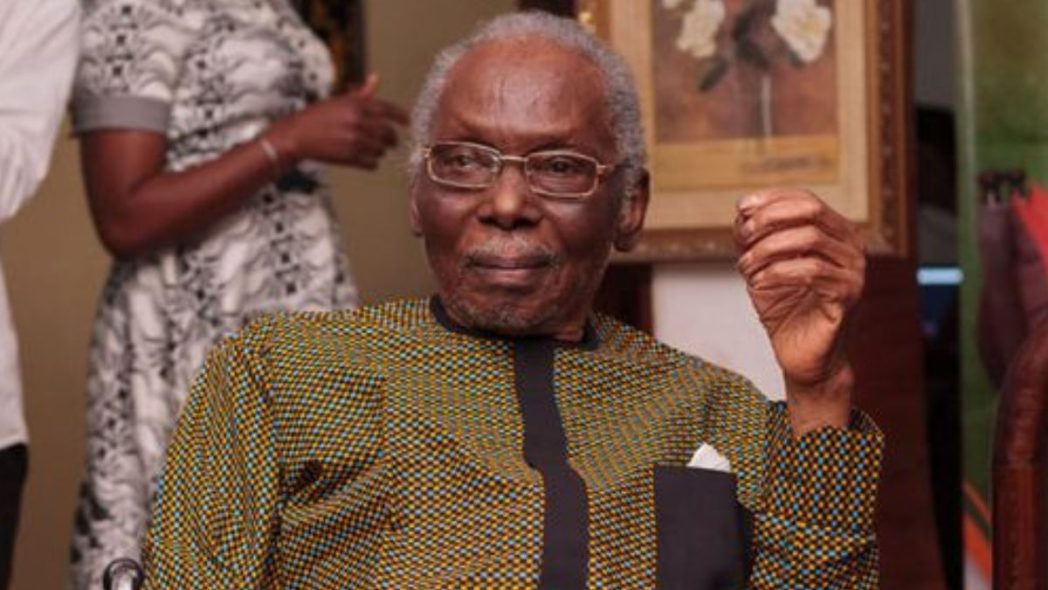
Obaro Ikime’s Legacy in Nigerian Academia
Obaro Ikime was a distinguished academic whose passing marks the end of a significant chapter in Nigeria’s educational history. As a professor emeritus, Ikime was part of the second generation of Nigerian scholars trained at the University of Ibadan. While he is best known as a historian, his life is filled with pivotal events that shaped both his personal journey and the broader narratives of Nigerian history, offering lessons for generations to come.
Intellectual Contributions and Advocacy
During a time when the academic community in Ibadan thrived, Ikime emerged as an intellectual beacon. He brought history to life, weaving social consciousness into his scholarship. He recognized that academic pursuits should transcend theory, using his work as a platform for fostering awareness about Nigeria’s past, present, and possible future. Indeed, Ikime’s contributions are essential to understanding the historical landscape of Nigeria.
Promoting National Unity through Scholarship
Ikime was pivotal in advocating for national unity, particularly through his affiliation with the Ibadan School of History. This group of scholars, which included notable figures like Professors Kenneth Dike, Sabri Biobaku, Adeyele Afigbo, and J.F. Ade Ajayi, cultivated a nationalistic academic tradition. Their collaborative spirit celebrated diverse ethnic backgrounds, fostering an environment where scholarly endeavors took precedence over regional affiliations. Ikime’s work underscored the importance of recognizing and embracing Nigeria’s ethnic diversity.
Tributes and Memorials Following His Passing
His passing on April 25, 2023, at the age of 86, has prompted an outpouring of tributes, acknowledging Ikime’s remarkable influence as a scholar and historian. Fellow historian Professor Toyin Falola highlighted the significant impact of Ikime’s work on how African history is understood and researched, particularly concerning intergroup relations, state formation, and cultural history.
Scholarly Accomplishments and Publications
In addition to editing one of the foundational texts on Nigeria’s history, “Fundamentals of Nigerian History,” published by the Historical Society of Nigeria in 1980, Ikime authored several essential works, including “Conflict in the Niger Delta: Itsekiri-Urhobo Relations and the Presence of Europe.” His academic publications have greatly enriched the discourse surrounding Nigeria’s complex historical landscape.
A Journey from Humble Beginnings to Academic Stardom
Born on December 30, 1936, in Anibeze, Delta State, Ikime’s educational journey was marked by excellence from the outset. After serving as Head of Boys at Federal University Secondary School in Ughelli, he transitioned to the University of Ibadan, where he not only excelled academically but also became involved in sports, achieving recognition as a badminton champion. He earned both his BA and PhD in History from the University of Ibadan, becoming a professor at the age of 37. Despite facing premature retirement at 54, Ikime’s contributions had already made a lasting impact.
Challenges and Ironies in His Career
Ikime’s journey was not without its challenges. Dramatic events often punctuated his path, including his unjust detention for 90 days in 1990, during which he endured harsh conditions. Professor Falola referred to this unfortunate chapter as ironic; despite being a central figure in enriching Nigerian history with rigorous scholarship, Ikime often did not receive the recognition he deserved. In a country that tends to overlook the living and forget the fallen, his contributions are a powerful reminder of the complexities facing national heroes.
