


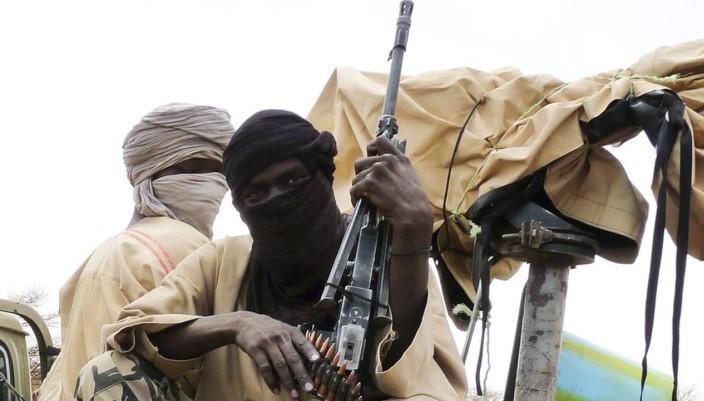
Nigerian Security Crisis Transforms into Economic Challenge
Nigeria’s escalating security crisis is evolving into a more organized and economically impactful situation, as armed groups establish a parallel taxation system across vital agricultural areas, trade routes, and logistics corridors. This shift poses a significant threat to national income and consumer prices in the region.
A recent report from SBM Intelligence highlights a disturbing trend: bandits and insurgents are moving beyond simple ransom demands and sporadic attacks. Instead, they are embedding themselves in local economies, taxing farmers, commanding market operations, and imposing levies on traders. This transformation raises serious concerns about the economic stability of Nigeria.
The West Africa Security and Political Economy Weekly Report, covering the period from April 3 to April 9, 2026, suggests that these developments could usher in a shadow governance model, particularly in areas where governmental presence is tenuous or prone to conflict.
In Shiroro, Niger State, recent acts of violence have adopted both strategic and economic dimensions. SBM reports that the massacre of over 60 individuals by a faction associated with notorious bandit leader Dogo Zide was not merely an act of revenge but a calculated effort to reassert control over farmland.
According to SBM analysts, the mass killing in Shiroro was a tactical move to establish a buffer zone ahead of the planting season. As farmers flee the violence, the abandonment of sorghum and yam cultivation is likely, as survival takes precedence over agricultural pursuits. In the long term, the report predicts that insurgents will enhance their control over rural road networks, demanding agricultural taxes, especially if this year’s harvest proves fruitful.
Traders are already observing a decline in agricultural output in Shiroro, which is reverberating through the supply chain. This could lead to inflated prices for yam and grain in urban markets, with significant increases anticipated in Minna and Abuja by June.
Current trends along the Zumba-Kuta road in Niger State provide further evidence of this evolving economic strategy. With security forces largely absent, armed groups have begun to formalize their control over trade and travel. The absence of official oversight is likely to prompt the establishment of permanent checkpoints, where bandits will impose taxes on the few traders willing to risk moving their goods.
Economic Plunder by Armed Groups Expands Across Nigeria and the Region
The SBM report reveals that the tactic of employing violence followed by economic capture has become prevalent across multiple regions. In the northwest, traders in Sabon Birni, Sokoto State, find themselves operating within an informal taxation framework enforced by bandits aligned with local warlords. These groups have seized control of the trade corridor linking Nigeria and Niger Republic.
The local business environment is severely hampered by predatory taxes, forcing merchants to pay to move goods or risk losing their entire inventory. Consequently, commercial activities are dwindling, as the fear of kidnapping often surpasses the desire for profit. Markets, once bustling centers for livestock and textiles, are on the verge of collapse, pushing traders to avoid commerce altogether.
A similar dynamic is emerging in Kebbi State, where the newly formed Mamdawa Group targets the Shanga River economy. This group’s ambition appears geared not only toward territorial expansion but also toward generating revenue. The report indicates that Mamdawa is likely to create a new tax zone focused on the lucrative onion and fishing trades, beginning next month.
The immediate repercussions on food prices and overall investment are palpable. Suppliers are already hesitant to enter the area without armed escorts, which increases operational costs for farmers and disrupts essential irrigation projects.
Northeast Nigeria Faces Intensifying Economic Turmoil
The northeastern region of Nigeria further illustrates how rebel groups exploit infrastructure to establish revenue streams. Attacks by Islamic extremists have surged along the Damaturu-Maiduguri corridor, a critical supply route for Borno State. The killing of senior military officers and the capture of the Benishek brigade base have been reported as pivotal moments by SBM.
These developments signal to logistics companies that the roads are losing state control, heightening risks for transportation operations. The report emphasizes that the uptick in attacks suggests ISWAP is pivoting towards sustained efforts to undermine military governance, possibly aiming to turn this key supply route into a permanent revenue-generating zone for rebels.
Projected Price Hikes for Essential Goods
The implications of this security deterioration extend throughout various sectors. SBM warns that the ongoing crisis along the corridor may delay investments in projects like agro-industrial processing zones, compel the suspension of nighttime transport, and create significant logistical bottlenecks. Should roads continue to function as war zones, analysts predict that prices for everyday essentials, including flour and cement, could skyrocket.
The overall economic landscape reveals broader risks that reach beyond the immediate inflationary pressures on food. There is a concerning trend of eroding state authority in regions where armed groups increasingly act as de facto trade regulators. Reports indicate that lack of prompt government action has left communities to navigate a hybrid system influenced by both state and non-state actors, leading to mob violence and localized conflicts that further disrupt fragile markets.
The financial ramifications are considerable. As informal taxation systems proliferate, governments may find themselves deprived of critical revenue streams in sectors already beleaguered by inflation and currency fluctuations, such as agriculture, trade, and transportation. For consumers, this creates a feedback loop: farmers facing levies, traders compelled to traverse illegal checkpoints, and transporters factoring in security risks all contribute to rising prices in urban centers.
SBM’s analysis paints a picture of an economy besieged, not through overt territorial conquest but via the gradual encroachment of terrorist control over systems that underpin daily life. Unless this trajectory is reversed, a dual economy could solidify, characterized by the coexistence of public authorities and armed networks that profit from instability, ultimately undermining the state’s power.
For policymakers, the challenge now extends beyond merely restoring order. It involves preventing the institutionalization of parallel systems that could become entrenched and far more difficult to dismantle in the future.
