


Written by Emmanuel Jonathan
A Transformative Dialogue on Africa’s Economic Future
In Abuja, amidst the elegance of the Transcorp Hilton Hotel, pivotal discussions unfolded about Africa’s economic trajectory. This gathering represented a significant shift, emphasizing a transition from dependency on foreign aid to an embrace of self-reliance, fiscal discipline, and a unified commitment to shaping the continent’s future.
Strengthening Revenue Systems for Sustainable Growth
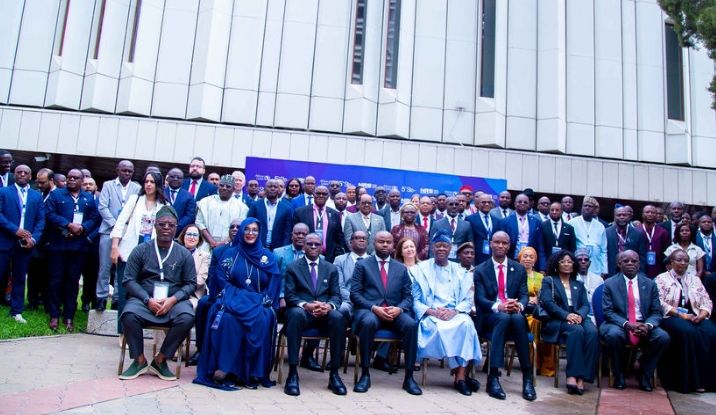
The fifth session of the Sub-Committee on Taxes and Illegal Financial Flows, convened by the African Union, brought together finance ministers, tax administrators, policymakers, and development partners. The objective was clear: to forge a path toward robust revenue systems and drive sustainable economic transformation across the continent.
A Call to Action
The overarching theme was clear: Africa must take charge of its fiscal future. This can be achieved by enhancing tax systems, sealing loopholes, and addressing the illicit financial flows that siphon billions from the economy every year. Nigeria’s finance minister, Wale Edun, remarked on the staggering loss of around $88 billion annually to these illicit activities—funds that could otherwise enhance education, healthcare, infrastructure, and industrial development.
Finding Opportunity Amidst Challenges
Despite these alarming figures, a note of optimism prevailed. Edun acknowledged the changing global landscape presents Africa with a unique opportunity to reassess its economic strategies and gain greater control over its developmental pathways. He emphasized the need for urgent yet confident action, stating that Africa possesses the talent, resources, and organizational strength required for success.
Nigeria’s Role as a Leader in Fiscal Reform
As the host nation, Nigeria positioned itself as a leader in promoting fiscal reform across Africa. Dr. Zac Adedeji, Executive Chairman of the Nigeria Revenue Authority, advocated for modernizing tax administration as a crucial foundation for development. He recognized the dual pressures of funding infrastructure and social initiatives while curbing losses from tax evasion and avoidance.
Taxation as a Catalyst for Economic Transformation
The session highlighted a collective understanding that tax systems must evolve beyond mere revenue collection. Chennai Mukumba, executive director of Tax Justice Network Africa, emphasized that strengthening domestic revenue systems is vital for economic progress. As external financial support diminishes and debt levels increase, Mukumba urged African nations to foster closer cooperation on taxation matters, asserting that collaboration is key to overcoming shared challenges.
A Response to Global Pressures
Amid ongoing discussions, the rapidly changing global environment adds urgency to Africa’s economic strategy. Mary Bain, Executive Director of the African Tax Administration Forum, pointed out the difficulties posed by inflation and geopolitical tensions. Although some oil-exporting nations may experience temporary gains, she warned that rising costs could jeopardize fragile economies. Africa’s tax-to-GDP ratio remains below the global average, underscoring the need for immediate attention to this disparity.
Seizing Global Tax Opportunities
As Africa navigates the evolving global tax landscape, which now includes new regulations like a global minimum tax, the continent has a historic chance to influence a fairer global tax framework. However, Bain cautioned that without strategic collaboration, African nations risk falling behind developed countries in these negotiations. Encouragingly, stakeholders are already engaging with entities like the United Nations Economic Commission for Africa to advocate for a more equitable framework.
A Commitment to Self-Reliance
The discussions in Abuja reinforced a powerful sentiment: Africa’s development must originate within the continent. The conference underscored Nigeria’s reform efforts under President Bola Ahmed Tinubu as a catalyst for broader continental endeavors. Participants stressed that progress hinges on courage, collaboration, and sustained commitment across governments and institutions. Ultimately, Africa’s prosperity relies on its ability to harness its resources, protect its wealth, and build fiscal institutions that genuinely serve its people.
*Emmanuel Jonathan is a communications professional based in Abuja.
