


Nigeria’s Security Dilemma: The Implications of Recent Military Losses
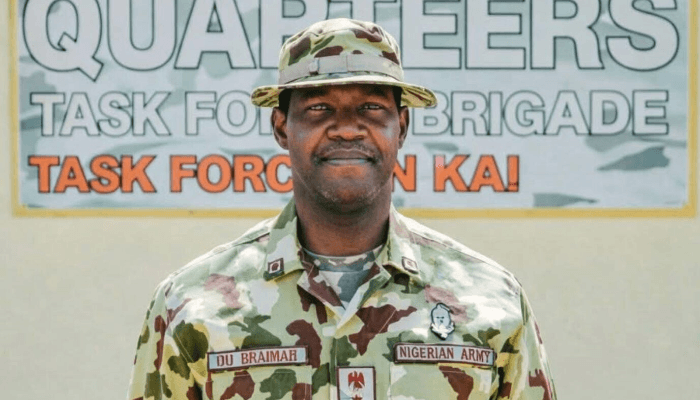
Nigeria is confronted with a stark reality: a nation incapable of safeguarding its military cannot ensure the safety of its civilian population. This unsettling truth has become increasingly apparent, especially following the tragic killing of Brigadier Oseni Omo Buraima, the commander of the 29 Task Force Brigade, in a well-coordinated attack on a military base in Benishek in April 2026. This incident raises significant concerns about the precarious balance between order and chaos in the country.
Unraveling Security Structures
When a senior military officer falls within a heavily fortified base, it prompts critical questions about Nigeria’s overall security capabilities. It’s no longer sufficient to merely acknowledge that insecurity exists; instead, the focus must shift to whether the nation can sustain its security measures effectively and whether the systems put in place to uphold these measures are functioning as intended.
Patterns of Violence Among Military Leadership
The death of Brigadier Buraima wasn’t an isolated incident. Just months earlier, Musa Uba, the commander of the 25th Task Force Brigade, was similarly ambushed and executed by militants linked to the Islamic State West Africa Province in Borno state. The loss of these two high-ranking officers emphasizes a troubling trend rather than just individual failures; it signals a deeper systemic issue within Nigeria’s security framework.
Base Vulnerability and Its Consequences
Military installations serve as crucial centers of control, designed to consolidate forces, intelligence, and logistical support while projecting strength to reassure local communities. However, the assault on the Benishek base undermined these assumptions, revealing vulnerabilities within the military infrastructure. Reports indicate that the attack lasted several hours, overwhelmed the base’s defenses, and resulted in significant casualties. This raises critical questions regarding the responsiveness of military support, air coverage, and the effectiveness of communication protocols.
The Civilian Perspective on Security
Nigerians today are caught in a web of layered uncertainties. Beyond the immediate threat of violence, they grapple with an overarching sense that the state has increasingly failed to protect its citizens and uphold its fundamental responsibilities. Communities in conflict zones live under a constant threat of attack, urban areas face rampant crime, and rural populations experience minimal protection. As each incident unfolds, citizens’ trust in the government’s ability to maintain order diminishes further, exacerbating feelings of insecurity.
Justice and Public Perception
The erosion of trust is further complicated by perceptions of unequal justice within the legal system. A case in point is that of Sunday Jackson, a farmer sentenced to death after defending himself from an attack. While the court’s ruling was based on legal principles, public sentiment reflects a broader concern about justice disparities. High-profile political cases often receive expedited attention, which further fuels public frustration and skepticism regarding the integrity of the justice system.
The Threshold of Trust and Order
The potential consequences of public disillusionment regarding state protection are significant. The gap between citizens’ expectations and reality widens amidst ongoing uncertainty and perceived institutional failures. A security apparatus under strain cannot afford such a crisis of trust, as it ultimately hinders cooperation and undermines collective resilience against threats.
Urgency for Systemic Reform
Nigeria stands at a crossroads requiring urgent clarity regarding the threats it faces and the efficacy of existing systems. Reform is necessary, not merely as a catchphrase but as a strategic process involving a thorough assessment of operational gaps, accountability for failures, and investments in both personnel and infrastructure. Effective communication that resonates with citizens’ experiences is also essential. The expectation is not for perfection but for genuine efforts to address the pressing concerns at hand.
The memory of Brigadier Buraima serves as a poignant reminder of the stakes involved. If even high-ranking officers are susceptible to attacks within designated safe zones, the illusion of security has already begun to unravel. Nigeria cannot afford to let this decline continue; maintaining order demands proactive leadership and a collective commitment to restore confidence in both military and civil institutions.
Ukoh, originally from New York, is a graduate of the American University of Nigeria, Yola, currently pursuing a doctorate at Columbia University and a co-author of “Built By The Ancestors.”
