


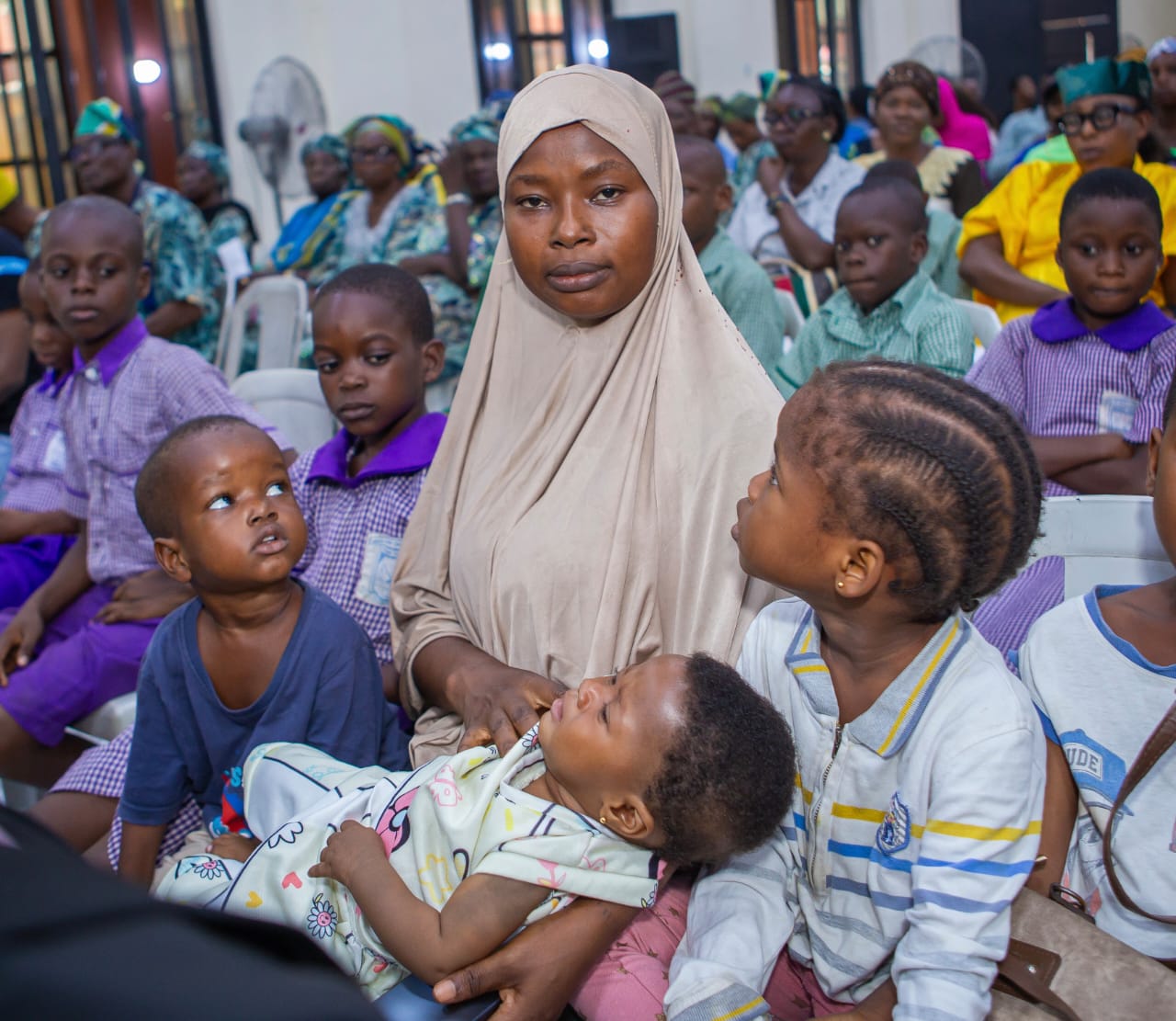
UNICEF and South Korea Collaborate with Nigeria on Child Vaccination Program
The United Nations Children’s Fund (UNICEF), in partnership with South Korea and Nigeria, has initiated a significant program aimed at vaccinating 2.2 million children who have not received routine immunizations. This initiative seeks to address the world’s most substantial immunity gap and bolster efforts for child health in Nigeria.
Targeting the Most Vulnerable Areas
Announced in Badagry, the program focuses on zero-dose children, those entirely devoid of vaccinations, across six high-burden regions, including Lagos, Ogun, the Federal Capital Territory, Bauchi, Niger, and Adamawa states. UNICEF estimates that Nigeria harbors approximately 2.2 million unvaccinated children—the highest figure in Africa and one of the largest globally.
Addressing Health Inequities
Many of these vulnerable children reside in urban slums, border towns, and remote locations where healthcare services are scarce or nonexistent. This lack of access not only jeopardizes public health but also undermines global efforts to control diseases.
Integrating Vaccination with Healthcare Services
The program will utilize existing government health infrastructures, focusing on monitoring missed vaccinations, community mobilization, and integrating immunization efforts with broader primary healthcare initiatives. By doing so, the initiative aims to rebuild trust and improve vaccine uptake within underserved populations.
Commitment to Measurable Impact
Wafa Saeed, UNICEF Nigeria Representative, emphasized the importance of transitioning from commitment to measurable impacts. She noted that effective coordination of funding, policy, and local engagement is essential to reaching excluded children.
A Global Initiative to Strengthen Health Systems
This partnership is part of the global “Access to COVID-19 Tools Accelerator” initiative, entering its third phase from December 2025 to December 2026. This phase builds on earlier investments aimed at reinforcing health systems weakened by the pandemic while enhancing access to vital vaccinations.
Addressing Global Health Security Concerns
South Korean Consul General Lee Sang-ho highlighted that this initiative underscores growing concerns regarding global health security disparities, particularly in African nations still grappling with the aftermath of the pandemic. He noted that South Korea’s support is both strategic and symbolic, aimed at reversing the upward trend of children missing vaccinations.
Aligning Health Goals with Broader Development Plans
Local leaders believe the initiative aligns with broader developmental objectives. Akin Abayomi, Lagos State Commissioner for Health, stated that the program complements the state’s goals of inclusive growth by guaranteeing equitable healthcare access, irrespective of geographic or economic status.
Operational Challenges and Future Implications
Launching the program in Badagry—a border area with limited healthcare access—highlights the operational challenges ahead. For Nigeria, the success of this initiative may signal meaningful progress towards the Immunization Agenda 2030 goals, potentially narrowing long-standing disparities in child health outcomes. For global stakeholders, this project represents a crucial test: whether targeted funding, data-driven tracking, and community outreach can effectively reach children who have remained largely invisible to existing health systems.
