


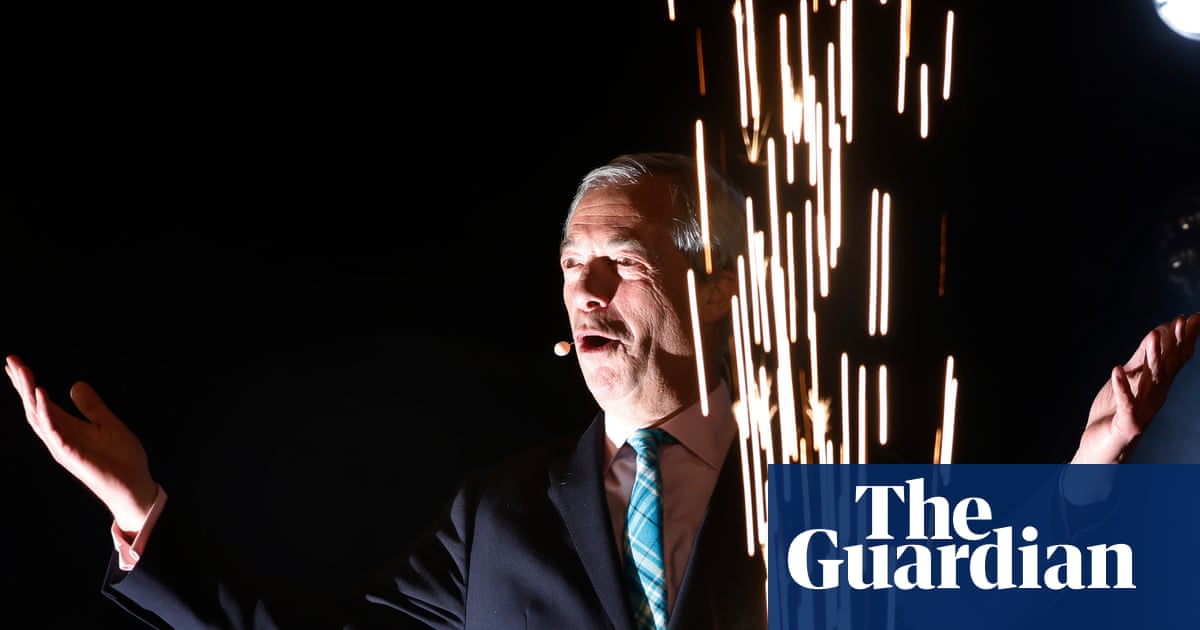
Rally Highlights Shift in Scottish Political Landscape
On Monday evening in Aberdeen, George Preston made a memorable appearance at a Reform Britain rally, donning a suit adorned with a trade union flag. Since merging with the Scottish Conservative Party in 2024, Reform Britain has gained traction in northeast Scotland, especially following the defection of its inaugural Member of Parliament.
Mr. Preston is actively distributing leaflets for the party, which recent polls indicate is vying with the Scottish Labour Party to be recognized as the official opposition to the Scottish National Party (SNP) in the upcoming election on May 7.
“Only a handful of people voice a desire to revert to the past,” he stated. “The overwhelming response has been one of support. Reform has tapped into a base of supporters who were already present.”
Northeast Scotland: A Political Battleground
Preston provided insights into local politics and the prevailing national sentiment. Northeast Scotland has historically been a competitive area for both the Conservatives and the SNP. With support for Brexit particularly strong here, voter interests closely align with industries such as fishing, agriculture, and oil and gas. The decline in support for the Scottish Conservatives has left a significant void that Reform has swiftly filled.
However, the Reform party is projected to broaden its appeal beyond traditional Conservative strongholds, also attracting support in post-industrial towns across the central belt and the vicinity of Glasgow. This shift presents challenges for observers who once regarded Scotland as a bastion of progressive values, particularly as many Scots perceive their beliefs as more left-leaning than those prevalent in England.
Controversial Remarks and Allegations
Malcolm Offord, leader of Reform Scotland and a billionaire financier, addressed the audience by claiming that families in Glasgow are being pushed to the back of the housing queue because of asylum seekers. He further alleged that general practitioners in the central belt reported that migrants who are HIV-positive receive treatment costs amounting to £11,000 annually. “It’s not racist to state that this is unfair,” he asserted.
Despite his remarks, several of Offord’s candidates have faced allegations of overt racism. One candidate withdrew from the race after inflammatory social media posts emerged, which referred to former Prime Minister Humza Yousaf in derogatory terms. Another candidate remains in the race despite having previously expressed support for controversial figures and policies.
Anti-Racism Efforts in Scotland
On the same day, anti-racism activists from Aberdeenshire were uncovering and publicizing instances of anti-Semitic and racist literature found in local parks. This troubling trend is not new; literature containing racial slurs or promoting neo-Nazi sentiments has previously been reported in the area, alongside ongoing anti-immigrant protests outside asylum hotels.
Omowunmi Ola Edugbami, a Nigerian expatriate who began her studies in Aberdeen in 2022, recounted her own experiences with racist content. After spotting offensive material at a bus stop two years ago, which she promptly deleted, she has since encountered similar posts circulating on social media. “It scared me,” she remarked. “As a mother, I worry about my children’s safety in this environment.”
Community Responses to Divisive Politics
In contrast, hundreds gathered in Aberdeen on Saturday to assert a collective message of inclusivity, stating that the city welcomes refugees and denounces hate. This rally is just one of many organized by Scotland’s vigorous anti-racism movement in the lead-up to the elections.
Ola Edugbami expressed her belief that while Scotland projects a welcoming image, the complexities of immigration necessitate deeper understanding and acceptance. “Welcoming doesn’t equate to full comprehension,” she remarked, emphasizing the nuanced experiences many immigrants navigate.
Changing Attitudes Toward Immigration in Scotland
Reflecting on recent societal shifts, Ola Edugbami noted an increased visibility of racism in her own encounters and those documented through her platform, Black Scottish Stories. “While it may appear that Scotland is more welcoming, the shift is about the visibility of racism, and some individuals now feel emboldened to express their views more openly,” she explained.
Public sentiment surrounding immigration is evolving. Opinion polls indicate growing concerns among Scottish voters, as Reform capitalizes on tensions related to asylum housing in Glasgow. This situation gained attention when Nigel Farage faced criticism from Scottish political leaders for using controversial statistics to claim cultural erosion within the city.
As political divisions intensify, Scotland continues to grapple with complex issues around immigration, identity, and societal values, revealing a landscape that is far from uniform in its perspectives. Understanding the interplay of these factors is crucial for navigating the changing dynamics of Scottish politics in this contentious climate.
