


Mayor Responds to Governor’s Threats Over Immigration Policy
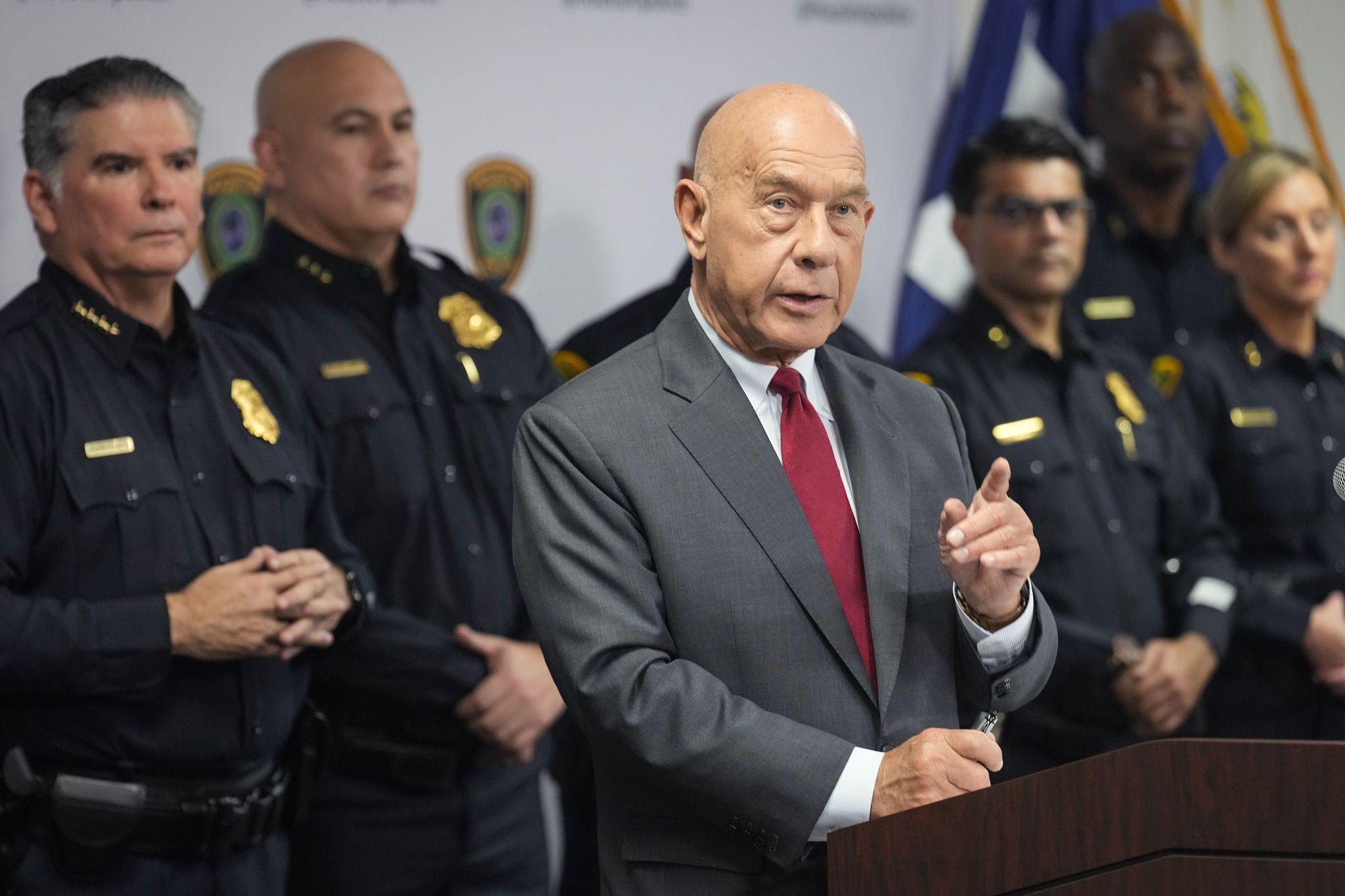
During a press conference at the Houston Police Department headquarters, Mayor John Whitmire addressed the media regarding the city’s immigration policy. His remarks came after Governor Greg Abbott threatened to withdraw $114 million in subsidies over recent policy adjustments, describing the backlash as a “waste of time.”
City Council Members Advocate for Legal Challenge
In light of Abbott’s threats, several city council members are urging Whitmire to stand firm against state authorities. Attorney General Ken Paxton has initiated legal action against the city concerning its immigration policies, prompting legal experts to suggest that Houston may have a viable case. A judge could potentially block Abbott’s moves to withdraw funding.
Revised Policy Redefines Officer Protocols
Under Houston’s newly enacted policy, police officers are no longer required to wait 30 minutes for agents from U.S. Immigration and Customs Enforcement (ICE) to arrive when encountering individuals with immigration warrants. Legal precedent clarifies that these civil documents do not empower officers to make arrests independently.
Policy Aligns with Constitutional Protections
The ordinance’s proponents, along with legal experts, assert that the policy aligns with the Fourth Amendment, which guards against unreasonable searches and seizures. For instance, individuals with immigration warrants must be released once the reason for their traffic stop has been resolved, irrespective of federal agents’ presence.
State Law Sparks Controversy
This immigration policy, similar to measures implemented in Austin and Dallas, faces significant opposition from Republican leaders. Paxton’s lawsuit contends that Houston’s regulations violate a 2017 state law prohibiting cities and counties from significantly limiting their cooperation with ICE. Abbott further claims that this ordinance breaches the terms of Houston’s agreement to receive federal public safety grants.
Legal Landscape Remains Uncertain
The U.S. Court of Appeals for the Fifth Circuit previously upheld the 2017 law, known as Senate Bill 4, amid legal disputes regarding its constitutionality. However, Mark Levin, chief policy adviser for the Houston-based Criminal Justice Council, indicates that the ruling did not establish a definitive precedent regarding the law’s impact.
Potential Legal Arguments Against Enforcement
Levin noted that arguments could be made that Senate Bill 4 does not apply to Houston’s recent ordinance. Additionally, a legal expert reviewing Abbott’s office letter scrutinized whether the terms regarding public safety grants indeed pertain to the city’s immigration enforcement policy. The grant conditions require cities to report information about individuals in “custody” to federal authorities while restricting cooperation limitations with ICE agents.
Diverse Responses from Local Leaders
Councilwoman Alejandra Salinas, who co-sponsored the policy, is taking steps to temporarily block Abbott from obtaining city funding while the case progresses. Salinas argued during a recent City Council meeting that their ordinance complies with Senate Bill 4, asserting it neither hinders communication with federal authorities nor obstructs criminal law enforcement.
State Tensions Highlight Ongoing Conflicts
The ongoing tensions between state officials and major Texas cities are not new. As cities have sought to assert local control in recent years, they often find themselves at odds with state leadership, leading them to request judicial intervention. Notably, Dustin Linders, legal director for the Texas Civil Rights Project, highlighted Harris County’s successful legal battles against the state as evidence that resistance can lead to wins.
Governor’s Office Monitoring Other Cities
State officials, including Abbott and Paxton, are closely monitoring immigration policies in other cities. Recently, Abbott’s office sent letters to Dallas and Austin warning them about potential funding losses due to their ICE policies. In a response, Austin Mayor Kirk Watson dismissed the threats, expressing confidence that their policies align with the law and cautioning that such actions could jeopardize public safety. Meanwhile, San Antonio’s city representatives have stated that they will operate strictly within federal and state laws without pursuing any legal action against the state.
