


Federal Judge Invalidates Immigration Policy Post-National Guard Shooting
BOSTON (AP) – In a significant legal development, a federal judge has invalidated a policy instituted by the Trump administration following the tragic shooting of two National Guardsmen in Washington, D.C. This ruling has removed barriers for immigrants from numerous countries attempting to enter or remain in the United States.
Chief U.S. District Judge John McConnell Jr. delivered a stern rebuke of the administration’s approach, stating that the policy had created a situation of “indefinite legal limbo” for countless immigrants already residing in the U.S. He accused U.S. Citizenship and Immigration Services (USCIS) of failing to adhere to the law.
The judge emphasized that USCIS had asserted regulatory authority it did not possess, making decisions lacking legitimate explanations and disregarding the interests of applicants. He noted that the agency’s invocation of “national security” concerns was a pretext for fostering anti-immigrant sentiment, categorizing its actions as both unlawful and arbitrary.
As of now, the Department of Homeland Security did not provide any comments regarding the ruling.
The contested policy barred immigrants from 39 nations across Africa, Asia, Latin America, and the Middle East from receiving final determinations on asylum applications, work permits, green cards, and citizenship. This sweeping restriction had effectively sidelined many aspiring immigrants.
Skye Perryman, President and CEO of Democracy Forward, which represented the plaintiffs in the case, hailed the ruling, asserting that it reinstates the principle that the federal government cannot restrict legal immigration channels or discriminate based on national origin. She highlighted the profound harm these policies inflicted on families, workers, and asylum seekers nationwide.
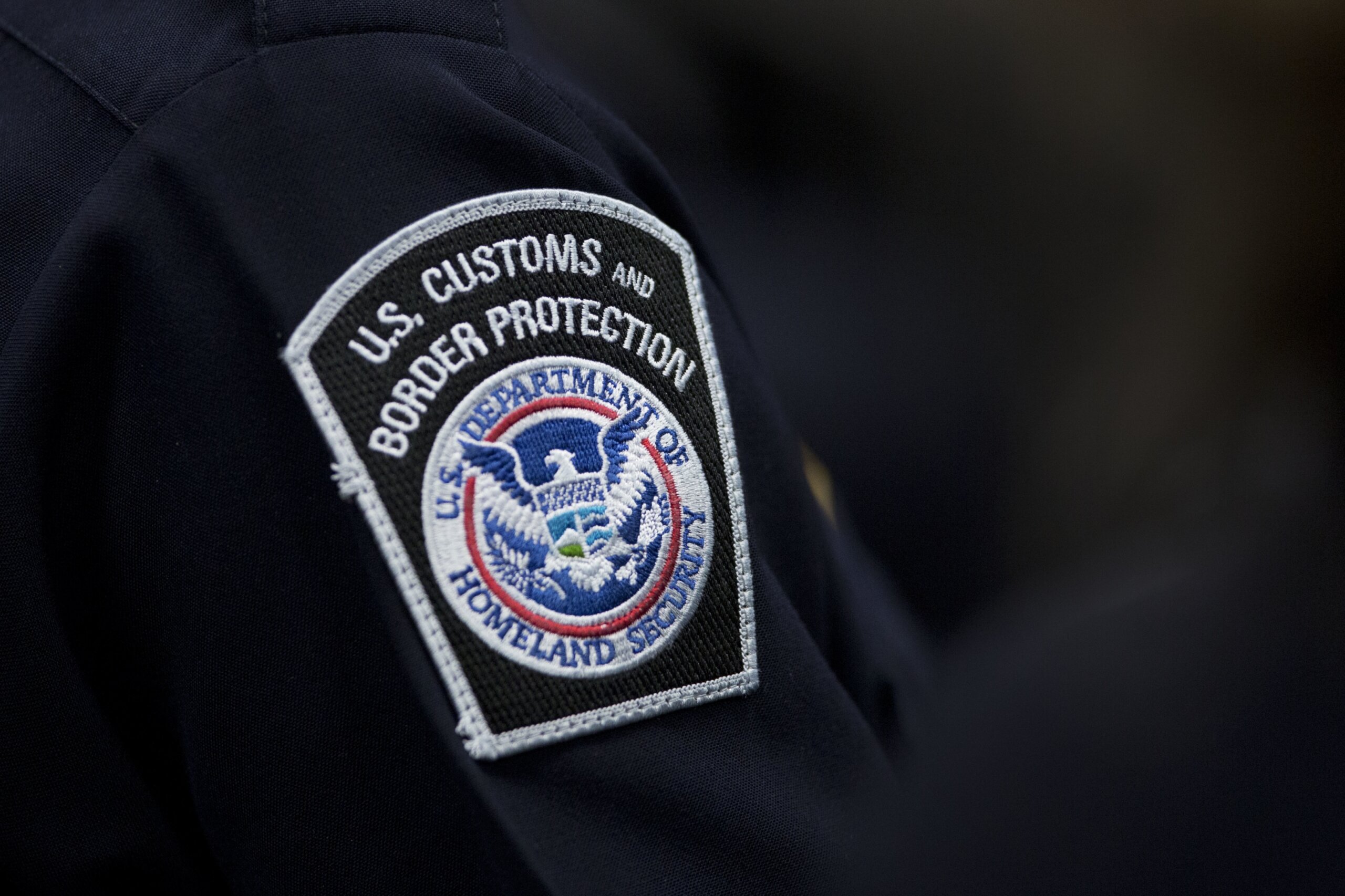
This policy specifically affected USCIS, responsible for approving applications for work permissions and citizenship. The agency typically grants asylum only to those currently in the U.S., while immigration officials may provide asylum to individuals encountered at the border. Notably, the ruling does not alter the treatment of cases involving border encounters.
Shehu Dalal Deini, Senior Director of Government Relations at the American Immigration Lawyers Association, noted that the ruling has implications beyond the immediate case, affecting all pending applications from nationals of countries subject to the travel bans.
Meanwhile, the government’s response emphasized that Congress has endowed the executive branch with broad discretion over immigration policies, providing latitude to grant or revoke admission privileges. However, critics have condemned the administration’s ongoing efforts, which they argue unjustly impose restrictions on individuals from various countries. Potential expansions of these limitations have been hinted at in light of recent events, including the arrest of a suspect in the National Guard shooting.
Immigration advocates have celebrated the ruling as a key victory. Jamal Abdi, President of the National Iranian American Council, insisted that it sets a critical precedent against arbitrary immigration restrictions based on national origin. He reinforced the belief that America upholds the rule of law, allowing challenges to discriminatory actions. Similarly, Sean Vandiver, a Navy veteran associated with Afghan resettlement initiatives, described the ruling as a cornerstone for safeguarding the rights of Afghan allies and other migrants navigating an uncertain legal landscape.
