


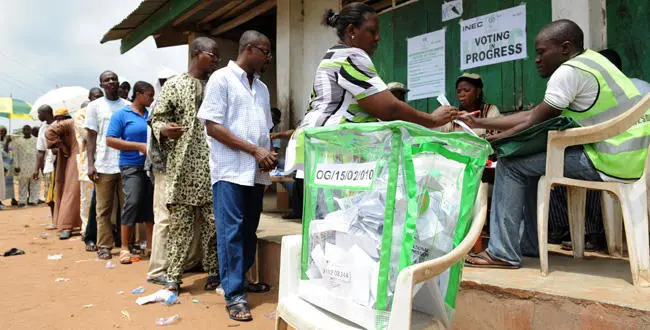
Nigeria’s Political Landscape Shifts Ahead of 2027 Elections
As Nigeria approaches the 2027 general elections, a new political battleground is emerging in the digital realm. Once celebrated as a platform for civic engagement and democratic participation, the online space now presents a complex environment that can significantly influence public narratives and perceptions while testing the resilience of electoral integrity.
The Role of Social Media in Political Communication
Social media platforms like Facebook, X, and TikTok have become pivotal in shaping political discourse. While these platforms have expanded access to information and participation, they also exacerbate risks that were previously more manageable. This evolution raises critical questions about whether Nigeria’s electoral system can endure the pressures of an increasingly volatile online atmosphere.
Misinformation as a Major Threat
The Chairman of the Independent National Electoral Commission (INEC), Joash Ampitan, has recently identified misinformation as the foremost threat to the 2027 elections. He stated that the most dangerous weapon in this electoral cycle would not be the physical violence of ballot theft, but rather the lies propagated by smartphone users and amplified by uncritical media outlets. According to Ampitan, the battle for elections now extends far beyond polling booths, infiltrating the information landscape as well.
The Proliferation of Misinformation
Former INEC Chairman Mahmoud Yakubu has echoed these concerns, warning that the rampant spread of misinformation and fake news on social media platforms poses a significant risk to the integrity of Nigeria’s electoral process. He pointed out that the rapid dissemination of false information not only skews public understanding of electoral outcomes but also erodes trust in democratic institutions. Yakubu emphasized that unchecked digital disinformation could deepen political and social divides, cause confusion, and ultimately undermine election credibility.
The Impact of Artificial Intelligence on Disinformation
Political analysts contend that manipulated content, fabricated videos, and coordinated propaganda campaigns are spreading more rapidly than official corrections, leading to widespread confusion and damaging the credibility of the electoral process. Aminu Yakudima, a political analyst, highlighted a troubling trend: the rise of artificial intelligence-driven disinformation. He noted that advancements in technology are increasingly obscuring the boundary between truth and fabrication, enabling the creation of convincingly false content, including bogus statements from candidates and altered election results.
The Risks of Foreign Manipulation
With the digital landscape evolving, analysts caution that there is an elevated risk of foreign interference. Digital platforms have opened up new channels for external actors to sway public opinion. Another ongoing challenge involves the premature announcement of election results on social media, where unverified data has caused confusion in past elections prior to official counts. Discrepancies between informal announcements and INEC’s official results can catalyze suspicion, protests, and even violence during tightly contested races.
The Dual Nature of Social Media in Elections
Despite the threats posed by misinformation, social media remains a significant political engagement tool. Candidates and political parties increasingly rely on these platforms to circumvent traditional media gatekeepers, sharing manifestos, mobilizing supporters, and communicating directly with voters. Election campaigns are now livestreamed, policy debates unfold in real-time, and citizens find themselves more connected to the political process than ever before. Furthermore, citizens and observers document election activities, enhancing real-time visibility to deter fraud and hold involved parties accountable.
Challenges Ahead in Maintaining Electoral Integrity
As political engagement continues to shift towards largely unregulated online arenas, analysts warn that fostering order and trust will become progressively more complex. The digital environment is rapidly evolving, creating a gathering storm that could fundamentally alter the landscape of Nigeria’s upcoming elections.
