


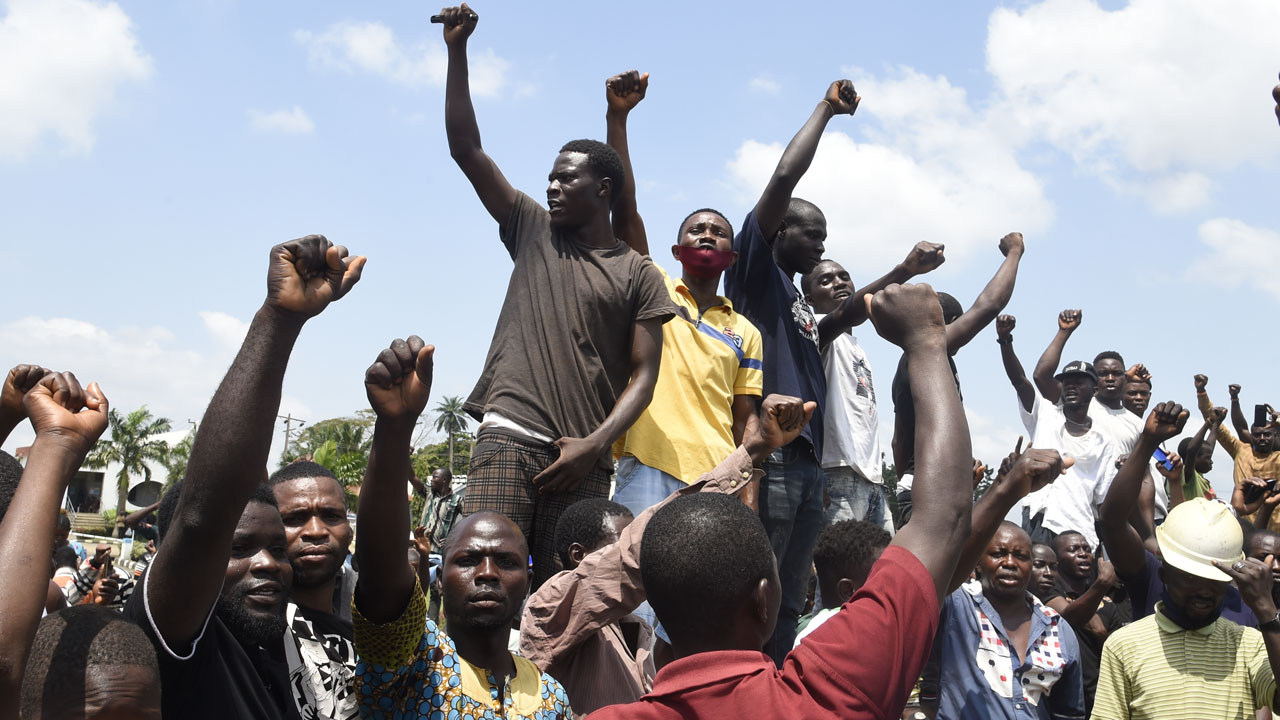
Protests Erupt Over Police Brutality in Nigeria
Demonstrators have barricaded the Lagos-Ibadan expressway, chanting songs of solidarity in Magboro, Ogun State, as protests against police brutality and the violent response to demonstrators gain momentum. On October 21, 2020, buildings were set ablaze in Nigeria’s commercial hub, Lagos, amid clashes triggered by reports that security forces had opened fire on peaceful protesters. Amnesty International confirmed that several people were killed in the chaos, which escalated following the imposition of a curfew intended to quell escalating unrest.
The Rise of Youth Activism in Nigeria
Three decades ago, a striking image of a lone individual standing before a military tank in Tiananmen Square captured global attention. This poignant moment during the Chinese student movement illustrated a brave stand against overwhelming odds. Fast forward to today, and the dynamic youth voice in Nigeria is finally being heard—a pivotal force in the national discourse. Young Nigerians are now asking, “Quo Vadis?”—Where are we going?
Empowering Voices in Society
Today’s youth infuse society with unparalleled energy, enthusiasm, and critical perspectives. They challenge conventional norms and often fear failing less than older generations. This is why their voices must be amplified and integrated into family, community, and national conversations. The resurgence of youth participation in protests signifies a rejection of a previously silenced narrative. From social media platforms to street demonstrations, Nigerian youth are reclaiming their right to express their views passionately and purposefully.
Listening to the Next Generation
Families that stifle their children’s voices risk marginalizing a valuable resource. The same applies to institutions and governments that fail to engage with young people. Acknowledging their insights can lead to innovative solutions and renewal within communities. Embracing their visions for an equitable future will foster a stronger, more unified Nigeria where everyone’s needs are addressed.
Crossing the Rubicon
Referencing a historical moment, when Julius Caesar crossed the Rubicon in 49 BC, we can liken the current youth movement in Nigeria to this pivotal act of courage. They have crossed their own Rubicon, challenging the status quo and seeking significant changes. This moment demands that all Nigerians of goodwill unite in support of peaceful protests aimed at establishing a fairer society.
The Call for Civil Rights and Justice
Dr. Martin Luther King Jr.’s legacy teaches us that true power must be coupled with love—love for oneself, for one’s neighbors, and for one’s country. Today’s Nigerian youth embody this message, reminding us that commonalities outweigh divisions. They urge society to re-evaluate its social contract, demanding priorities that lift the many rather than cater to the few. Only through unified action can this potential be realized, paving the way for substantial change.
The Challenge Ahead
Authorities, including police and military personnel, face significant challenges in maintaining security. Their sacrifices deserve recognition, as they too navigate entrenched institutional issues. However, the tide of impunity and violence against Nigeria’s youth must cease, and public officials must be held accountable. History has shown that transformation is possible through perseverance, but it requires a collective commitment to accountability and integrity.
Cultivating a United Future
As societal tension simmers, the voices of change echo the sentiments of past advocates. Though some ultra-conservatives call for stricter governance, we must encourage the government to view youth as allies rather than adversaries. A hopeful future hinges on our collective ability to confront historical injustices and strive for a fairer system of governance, one that embodies justice and accountability. Only through courage, humility, and unified action can Nigeria pivot towards a brighter tomorrow, aligning with the justice that the world demands.
—Ade Ajayi is a surgeon and global advocate for Africa.
