


General Strike Postponed Hours Before Launch
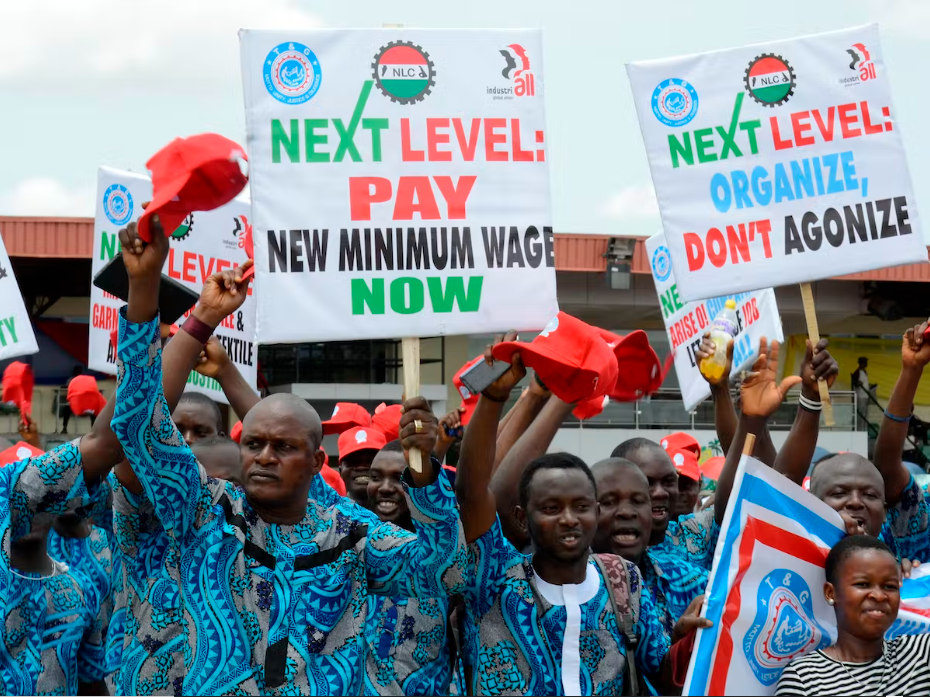
A general strike that was set to commence on October 3, 2023, was abruptly called off just hours before its scheduled start. Similar to previous planned strikes organized by the Nigeria Labor Congress (NLC) and the Trade Union Congress (TUC), this latest postponement occurred with minimal notice. A troubling pattern is emerging, where strikes are consistently canceled at the last minute following discussions with government officials.
Implications of Union-Government Relations
This ongoing dynamic between the government and trade unions raises critical concerns. Workers often see little to no benefits from these negotiations, leading to a decline in their trust in union leadership. The habitual last-minute cancellations suggest a growing difficulty for workers to rally support for future strikes, significantly undermining their influence in labor negotiations.
Lessons from Historical Strikes
To better understand current labor issues, it’s essential to look back at previous successful general strikes by Nigerian workers, such as the significant 1963 general strike that led to the establishment of the Morgan Commission. This strike arose from contentious disputes over affiliations with international labor organizations, contributing to the fragmentation of central trade unions.
Catalyst for Unrest in 1963
The 1963 unrest was intensified by the dominance of central labor unions, prompting wildcat strikes among union affiliates across various industries. These strikes faced brutal suppression from law enforcement, exemplified by the National Longshoremen’s Council, whose members faced police intervention while advocating for better wages. Tragically, this repression led to loss of life among the striking workers, further escalating tensions.
ULC’s Demands and Government Response
In response to government coercion, the United Labor Congress (ULC) put forth a series of demands, including a wage commission and the introduction of a national minimum wage. These demands culminated in a firm ultimatum to federal and local governments to take action by September 27, 1963. The federal government initially resisted these requests, opting instead to negotiate with individual union affiliates rather than addressing the ULC collectively.
Strikes as a Political Lever
Despite the government’s rejection of their demands, the ULC argued that the national government has a fundamental responsibility to protect workers across all sectors. By categorizing their requests as matters of public interest, rather than merely employer grievances, the unions sought to bridge the public-private divide imposed by Nigeria’s economic structure. This strategy helped unify various labor factions, leading to the formation of the Joint Action Committee (JAC).
The Impact of the 1963 Strike
The JAC initiated a general strike on September 27, 1963, significantly disrupting government operations and public services. The timing was strategically chosen to coincide with the impending independence celebrations on October 1. This maneuver created substantial political pressure, compelling the federal government to concede to the establishment of a wage commission just days later.
Outcomes and Recommendations from the Morgan Commission
The wage commission, chaired by Justice Adeyinka Morgan, was tasked with reviewing existing wage structures and labor conditions. It recommended a minimum monthly wage system and urged the abolition of the daily wage system, along with other reforms aimed at improving the economic status of workers. The government’s eventual reluctant acceptance of the commission’s recommendations reflects the continued relevance of these historical struggles in guiding the current union movements in Nigeria.
Relevance of Historical Strikes to Today’s Labor Movements
As unions prepare for future actions, the lessons from the 1963 general strike remain essential learning tools. The successful mobilization of rank-and-file members and the strategic timing of strikes proved critical for gaining leverage over governmental negotiations. The NLC and TUC must heed these insights as they strategize for upcoming protests against what many perceive as detrimental policies by the current federal administration.
