


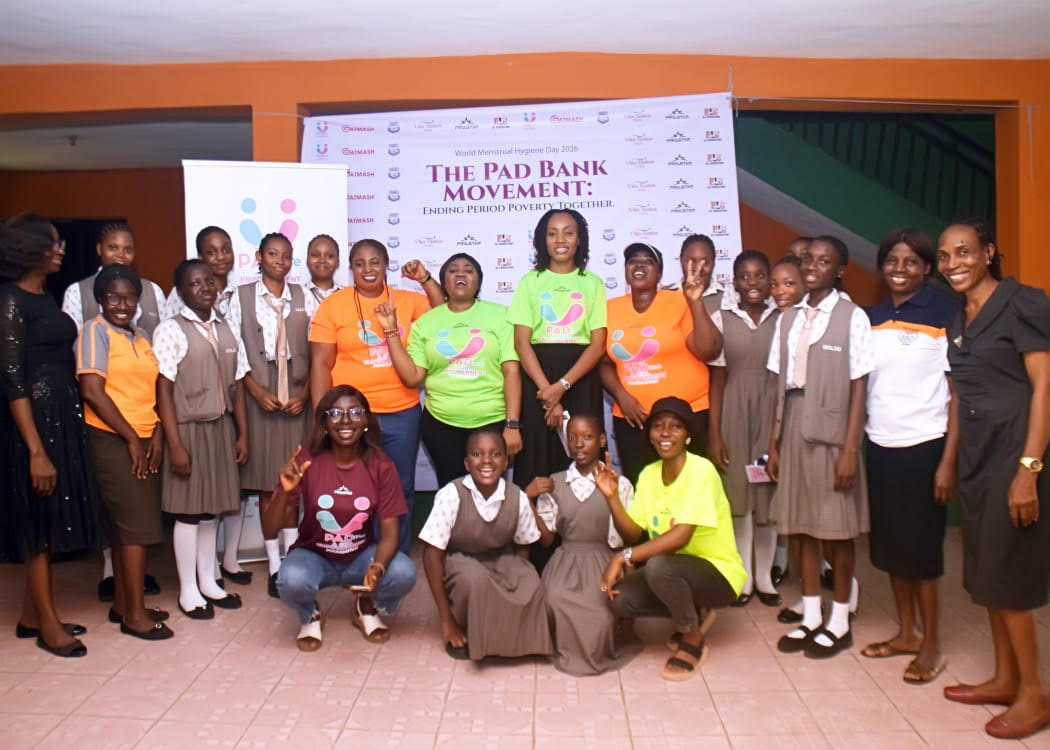
Pad Me a Girl Empowerment Foundation Takes a Stand Against Period Poverty in Nigeria
The Pad Me a Girl Empowerment Foundation is intensifying its efforts to combat cyclical poverty in Nigeria by urging governments, educational institutions, corporate entities, parents, and development partners to collaborate in ensuring that no girl is deprived of education, dignity, and opportunity due to menstrual challenges.
World Menstrual Hygiene Day Ceremony Highlights Key Issues
This call to action was made during a ceremony commemorating World Menstrual Hygiene Day at Isolog University in Akute, Ogun State. The event was themed “Pad Bank Movement: Together We Can End Period Poverty.”
Significant Impact on Thousands of Girls
Teresa Moses, the foundation’s founder, revealed that their initiatives have positively impacted over 10,000 girls and women. Through menstrual health education, advocacy, sanitary product distribution, and empowerment programs, the foundation has served schools, rural areas, and underserved communities.
Addressing Challenges of Period Poverty
Moses emphasized the ongoing challenge of period poverty, which affects thousands of girls nationwide. Key issues include limited access to sanitary products, leading to school absenteeism, social exclusion, and reliance on unsafe alternatives for menstrual management.
Introducing the Pad Bank Movement
The Pad Bank movement was launched as a sustainable intervention aimed at ensuring girls have reliable access to menstrual products. “The Pad Bank is more than just a storage facility for sanitary napkins; it symbolizes hope, dignity, inclusion, and empowerment. We strive to ensure that no girl suffers in silence due to her menstrual cycle,” she stated.
Encouraging Positive Attitudes Towards Menstruation
Moses reiterated that menstruation is a natural biological function and should never be a source of shame or a barrier to education or personal development. She called on stakeholders to support menstrual health initiatives and establish napkin banks in schools, emphasizing their role in eradicating period poverty.
Educational Insights from Experts
The event also featured an educational session titled “Let’s End Period Poverty Together,” led by media expert and life coach Amina Omoike. She underscored the importance of dismantling social stigmas surrounding menstruation. Omoike highlighted that sanitary product poverty encompasses not only the inability to afford menstrual products but also limited access to clean water, proper sanitation, accurate menstrual health information, and social support networks.
Consequences of Period Poverty
Omoike outlined the detrimental effects of period poverty, which can lead to school absenteeism, diminished self-esteem, health risks, anxiety, and social isolation among girls. “Many girls are forced to stay home for several days each month due to a lack of menstrual products. Imagine the educational setbacks they face, not by choice but by circumstance,” she said.
Collaborative Efforts Needed
She encouraged girls to seek accurate information about menstrual health, offer each other support, and challenge harmful myths associated with menstruation. “Your period should not diminish your worth, capabilities, or intelligence. It is your character, aspirations, talents, and determination that define you,” she emphasized.
Recognition for Collaborative Partnerships
The Foundation also acknowledged the contributions of corporate partners and sponsors that support these initiatives, including ProStar Sports International, which provided customized jerseys to volunteers and team members, as well as BL Consulting and Vita Bates Foods. Additionally, media organizations and the management of Isolog University were recognized for their roles in raising awareness about menstrual health and empowering girls.
Growing Acknowledgment of Collective Action
The foundation expressed that heightened support from schools, businesses, civil society organizations, and the media reflects a growing recognition that alleviating poverty necessitates collective efforts and ongoing collaboration. Students participating in the program found it both enlightening and empowering, expressing gratitude for the opportunity to learn more about menstrual health, hygiene, and confidence.
