


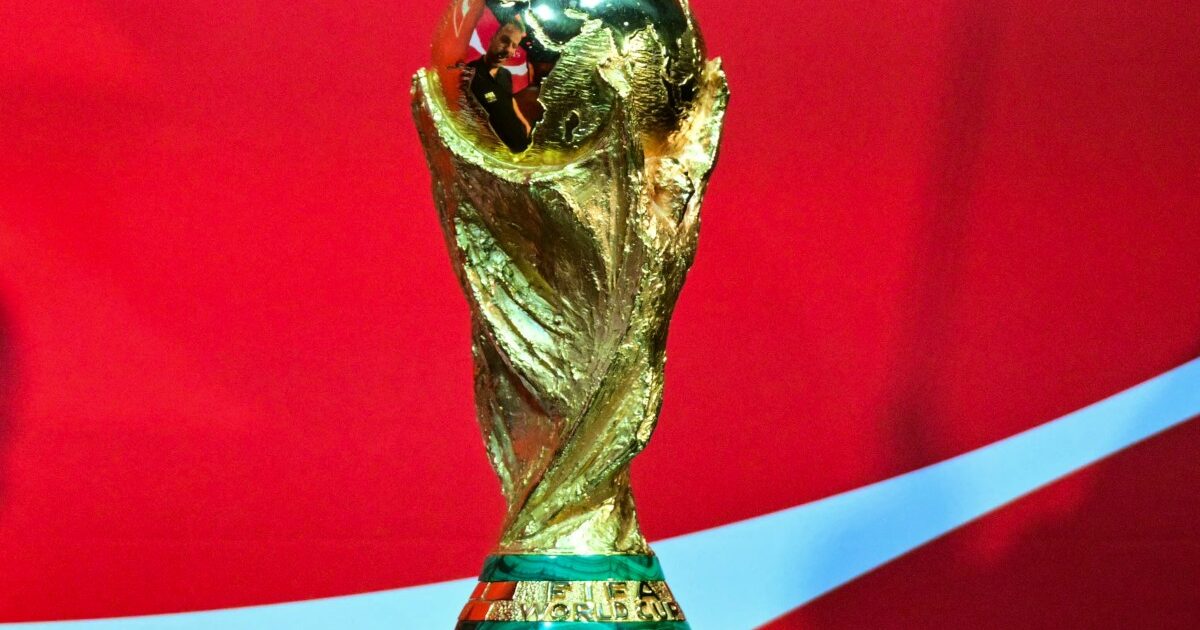
The Enduring Legacy of 2006 FIFA World Cup Players
In the 2006 FIFA World Cup held in Germany, a total of 736 players from 32 nations took to the field, each team consisting of 23 athletes. As two decades have passed, the majority of those players have hung up their boots, transitioning into roles such as coaching, management, or punditry within the sport. Nevertheless, a remarkable cohort of veterans continues to defy age, actively participating in professional football, with aspirations to compete as late as 2026.
Iconic Players Still Competing
Among those veterans are three of the most recognized names in football history—Lionel Messi, Cristiano Ronaldo, and Luka Modric—who remain at the pinnacle of the sport despite first making their World Cup debuts 20 years ago. Their ongoing dedication speaks to their extraordinary talents and work ethics.
Luka Modric’s Continued Impact
Luka Modric, who played a limited role for Croatia during the 2006 tournament, has since established himself as the greatest player in his country’s history. He captained Croatia to the finals of the 2018 World Cup and, at the age of 40, continues to contribute significantly to his team.
Messi’s Unstoppable Journey
At just 18 years old, Lionel Messi was selected for the 2006 World Cup, where he played for Argentina. Over the years, he has amassed numerous accolades, including multiple Ballon d’Or awards, two Copa América titles, and the coveted 2022 FIFA World Cup trophy. Messi remains committed to his professional career, setting his sights on participation in the upcoming World Cup.
Cristiano Ronaldo’s Historic Scoring
Cristiano Ronaldo marked his presence in the 2006 World Cup by scoring his first World Cup goal in Germany. Now 41, he has achieved the remarkable feat of becoming international football’s all-time leading scorer. Ronaldo’s enduring prowess ensures he remains one of the sport’s most notable figures.
Sergio Ramos and The Spanish Contingent
Sergio Ramos, an essential member of Spain’s illustrious golden generation, celebrated victories in the 2010 World Cup and two European Championships. Although currently without a club, the seasoned defender has yet to announce his retirement, leaving open the possibility of future participation.
Goalkeepers Who Define Longevity
Oscar Ustari, who joined the Argentina national team in 2006, remains active in professional football nearly 20 years later, often shining as a reliable backup. Similarly, Guillermo Ochoa, one of the most renowned World Cup goalkeepers of his era, still competes at 40, having enjoyed a lengthy career across Europe and North America.
Players Who Continue to Shine
Łukasz Fabianski, who entered the 2006 competition as a promising young goalkeeper, has since built a successful career in the Premier League, representing clubs such as Arsenal, Swansea City, and West Ham United. He remains active in professional soccer today. Lukas Podolski, honored as the Best Young Player of the 2006 World Cup, went on to achieve great success, including a victory in the 2014 World Cup with Germany, and he continues to play in Poland.
Longevity in the Game
Paraguayan striker Roque Santa Cruz, now 44, exemplifies longevity in football, still competing professionally in his homeland. Meanwhile, Jose Montiel, the least recognized on this list, was part of Paraguay’s 2006 World Cup squad and continues to engage in domestic soccer, showcasing the resilience and dedication of players from that era.
From the promising teenagers of the 2006 tournament to the seasoned veterans still showcasing their talents, these ten players represent a remarkable journey through generations. Their continued involvement in football makes them a testament to the enduring spirit of the beautiful game.
