


Starmer Acknowledges Appointment Misstep Amid Scandal
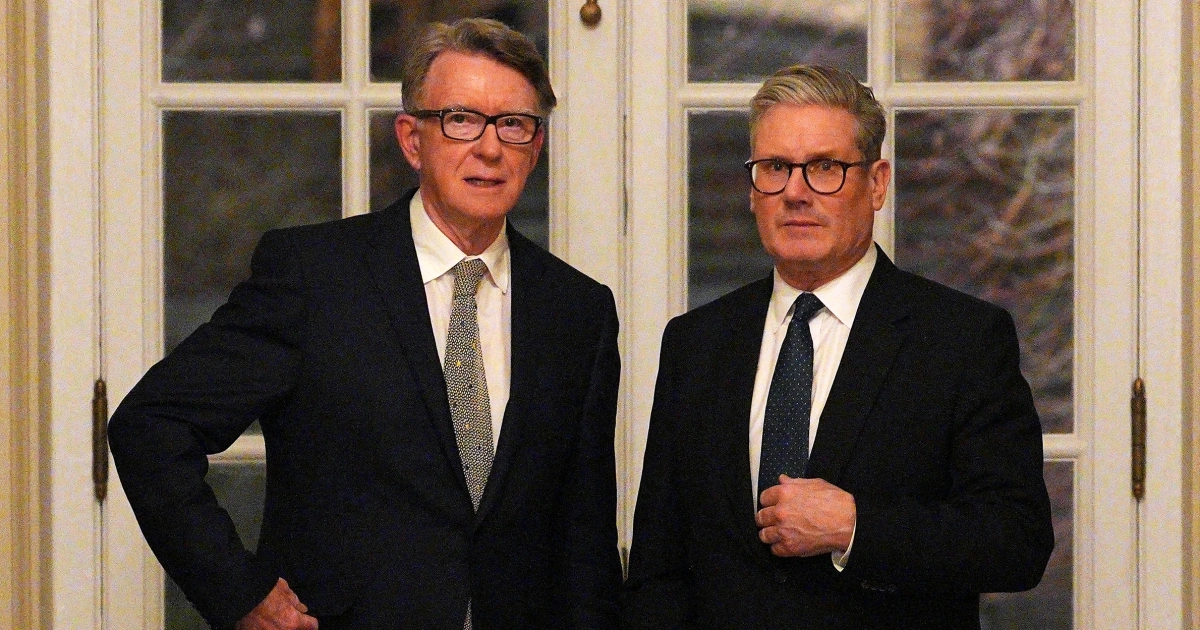
LONDON – British Prime Minister Keir Starmer has publicly acknowledged a significant error in appointing Peter Mandelson, a former associate of Jeffrey Epstein, as the UK ambassador to Washington. This admission comes as Starmer faces mounting pressure and calls for his resignation, following revelations that are shaking the foundations of his leadership.
Explanation for Mandelson’s Appointment Raises Questions
In an effort to clarify the rationale behind Mandelson’s appointment, Starmer revealed that he would have rescinded the decision had he been informed of Mandelson’s failure to pass essential security checks. He attributed the oversight to officials within the Foreign Office for not communicating the security concerns, despite their approval of Mandelson’s candidacy.
Starmer Expresses Regret Over Leadership Decision
While addressing Members of Parliament, Starmer stated he “would not have proceeded with the appointment” if he had been aware of the security issue. He characterized the situation as “frankly surprising,” expressing disappointment that the agency failed to inform him about the failed vetting process. “At the root of this is that I made the wrong decision,” he admitted, underscoring that Mandelson should not have been appointed.
Criticism and Accountability in the Aftermath
Starmer ultimately dismissed Mandelson in September, nine months after his initial appointment, following new revelations regarding Mandelson’s ties to Epstein, a convicted sex offender. Responding to Starmer’s explanation, members of the opposition ridiculed the notion that the country’s leaders were unaware of the security vetting failure. Conservative Party leader Kemi Badenoch questioned Starmer’s curiosity and accountability regarding this serious oversight.
Looming Political Consequences and Party Divisions
In a bid to maintain clarity, Starmer reiterated to MPs that proper procedures had been followed during Mandelson’s appointment. While he took responsibility for his judgment error, he denied misleading Parliament, an act that might typically warrant a resignation. Last week, Starmer had already dismissed Olly Robbins, the top civil servant at the Foreign Office, in light of the scandal, igniting further debate about accountability within his leadership.
Calls for Resignation Amid Dismal Polling and Internal Strife
Starmer’s center-left Labour Party is facing internal skepticism, particularly among MPs concerned about the party’s declining poll numbers. Their reluctance to fully back Starmer has been heightened by past sentiments urging his resignation following Mandelson’s controversial selection. As the local elections approach on May 7, further scrutiny of Starmer’s leadership capabilities is anticipated.
Broader Implications of Mandelson’s Controversial Appointment
Critics of Starmer assert that Mandelson’s appointment reflects a pattern of poor judgment since he led Labour to a sweeping victory in the July 2024 general election. The Prime Minister is grappling with substantial challenges, including the need for economic growth, revitalization of public services, and addressing the rising cost of living. Furthermore, the controversial nature of Mandelson’s links to Russia and China, as well as worries about reputational risks tied to his relationship with Epstein, have added layers to the scrutiny surrounding his appointment.
Ongoing Investigations and Unanswered Questions
A recent release of documents related to Epstein has prompted a criminal investigation into Mandelson, who was arrested in February on suspicion of misconduct in public office. While Mandelson has denied any wrongdoing and faces no allegations of sexual misconduct, the implications of his role continue to unfold. Starmer has initiated a review into security concerns regarding Mandelson’s access to sensitive information during his ambassadorship, yet many questions persist about the decision-making process that led to this controversy.
