


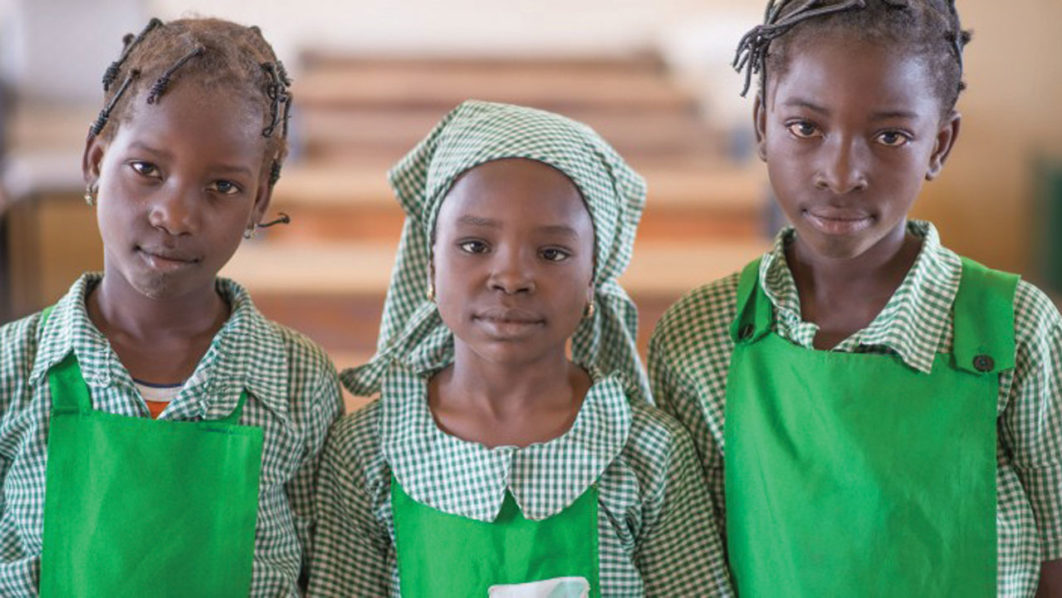
Global Concerns Surround Violence Against Girls
The ongoing crisis surrounding violence against girls is intensifying, overshadowing critical discussions about the widespread abuse and discrimination faced by women. While some view the issue narrowly—through the lens of customs and traditions that impede girls’ education and force early marriages—broader perspectives highlight a global failure to unite in combatting the systemic threats that restrict opportunities for girls worldwide.
Nigeria’s Lack of Progress on International Day of the Girl Child
As advocates gathered to mark the International Day of the Girl Child (IDGC) recently, many in Nigeria expressed dismay at the country’s dismal standing in child welfare—ranking sixth globally and among the bottom ten for girls’ development. The lamentations of child rights activists are not surprising; countless international conferences occur daily without resulting in tangible actions that uphold the lofty resolutions discussed. This recurring dialogue leads to a perception that the situation is stagnant, with the plight of the girl child relegated to a mere talking point rather than receiving the urgency it demands.
The Illusion of Addressing Systematic Violence
In many developing nations, including Nigeria, the issue of violence against girls is often addressed using aspirational language, creating the illusion that tangible solutions have been achieved. Despite the existence of regulatory frameworks and robust international organizations aimed at protecting girls, the grim realities of systematic violence, abuse, and neglect persist into the 21st century. Alarmingly, society continues to grapple with outdated cultural and traditional beliefs that degrade the worth of girls, revealing a troubling disconnect between rhetoric and genuine action.
Shocking Statistics Highlight the Crisis
For instance, Titilola Vivour Adeniyi, Director-General of the Lagos State Domestic and Sexual Violence Agency, reported that in the last two years alone, over 2,146 girls were victims of abuse, with approximately 300 cases of defilement and rape documented. The United Nations Children’s Fund (UNICEF) has indicated that various forms of abuse are a daily reality for many children in Nigeria, with only a fraction receiving the support they need. Alarmingly, Nigeria also holds the record for the highest number of child brides in Africa, with over 23 million girls and women forced into marriages during their youth, predominantly from economically disadvantaged rural backgrounds.
Deep-Rooted Inequalities Persist
The staggering disparities and risks confronting Nigerian girls today have escalated to crisis levels. However, these statistics may only represent a fraction of the true extent of the abuse, as many cases go unreported. It is essential for the government to acknowledge the perils associated with child marriage, which significantly impedes national progress and development. Disturbingly, a prevalent mindset persists among segments of the population, viewing education for girls as a misallocation of resources, further entrenching societal inequalities.
The Need for Systemic Change
Policymakers must confront harmful attitudes that perpetuate these injustices. An article in The Economist posits that a nation that neglects its women is destined for failure. Countries that prioritize women’s education have demonstrated notable economic advancements. Nigeria’s own struggles with women’s issues underscore the urgent need for a systemic shift, especially following the commitments made during the 1995 Beijing Conference aimed at improving women’s societal roles.
Legislative Frameworks and Cultural Barriers
The ongoing marginalization of girls in some Nigerian communities, alongside practices such as selective abortion, has resulted in skewed gender ratios and has left millions of young people without prospects for marriage. This frustration can lead to increased incidences of violent crime and unrest. The pressing question remains whether Nigeria will actualize the Interpersonal Violence (Prohibition) Act of 2015, which aims to provide a comprehensive legal framework to combat violence against individuals, particularly women and girls. Yet, despite this legal framework, some parents continue to marry off underage daughters, obscuring necessary cultural reforms.
Government Commitment and Civic Responsibility
The burden of responsibility lies not only with the government, which must enforce laws to protect girls, but also with every citizen who has a role to play in fostering an equitable and safe environment for the girl child. Genuine progress requires not just legislative action, but a cultural shift that empowers girls and provides them with the opportunities they deserve.
