


Call for Governance Reforms in Ogun State
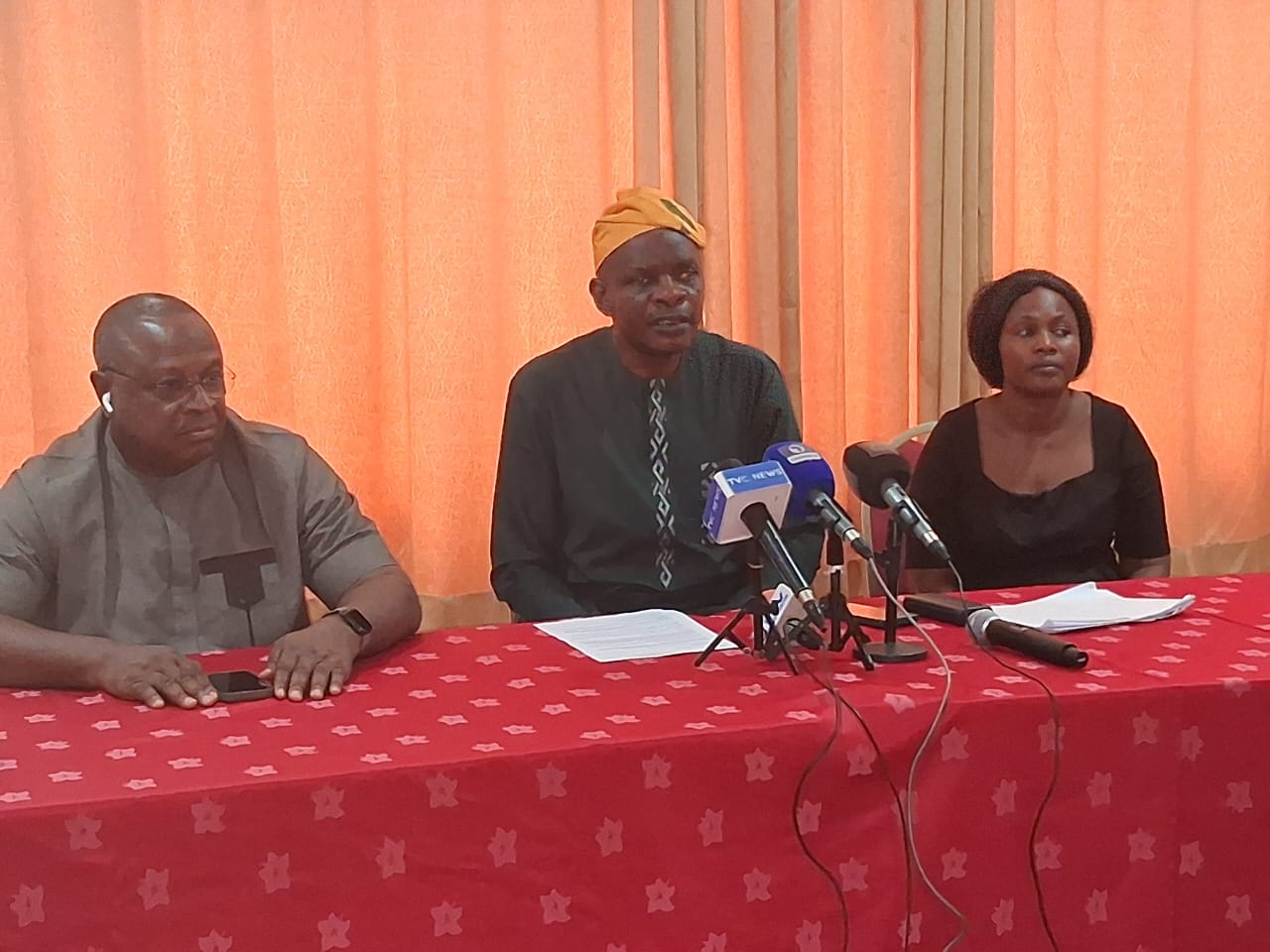
The Rigel Youth and Leadership Initiative, a civil society organization, has urged the Ogun State government to address enduring governance gaps that have been hindering local government functionality, public procurement transparency, healthcare delivery, and the development of border towns. During a press conference in Abeokuta, Executive Director Lekan Oladapo appealed to Governor Dapo Abiodun’s administration to utilize its remaining term to tackle what he termed “fundamental governance deficiencies.”
Local Government Fiscal Autonomy Under Scrutiny
At the center of the group’s concerns is the distribution of statutory allocations to the 20 local governments in Ogun State. Mr. Oladapo referenced a 2023 petition from former Ijebu East Local Government Chairman Wale Adedayo, who claimed that the state government was withholding federal budget allocations and environmental protection funds intended for local governments. While the state government refuted these allegations, civil society organizations point to visible challenges faced by municipalities, including their inability to perform essential tasks such as road maintenance and primary health care operations without state intervention. This situation raises serious questions about the fiscal autonomy mandated by the Supreme Court, according to Oladapo.
Discrepancies in Public Procurement Transparency
The Rigel Youth and Leadership Initiative also expressed concern over inadequate public access to information regarding the national procurement process. The group highlighted an April 2026 Freedom of Information request from the Right Thinkers Global Initiative, which sought details about the £1.39 billion New Ogun State House Complex project. The initiative questioned the lack of publicly available information regarding the contractor, project scope, and funding structure. “Public procurement should be transparent by default,” Oladapo noted, urging the state government to establish a publicly accessible procurement portal.
Development Gaps in Border Towns
The organization has drawn attention to missed economic opportunities in Ogun State’s border region with Lagos. They argue that the absence of a cohesive development strategy for border towns, particularly in areas like Akute, Denro, and Ishashi, has resulted in long-term infrastructure deficits. The Agbara-Atan Lusada industrial corridor, which houses many manufacturing facilities, suffers from a similar lack of strategic investment. While federal infrastructure projects related to the Sokoto-Badagry corridor are set to improve access by the end of 2025, the group insists that state-level contributions to border development remain inadequate.
Healthcare Delivery Issues
In the realm of healthcare, the group challenged the administration to identify any major public hospitals that were built from scratch during its tenure, noting that most government efforts have been limited to renovating existing facilities. Government statistics from late 2023 indicate that only 42 out of more than 530 primary healthcare centers have been renovated—the group argues this figure is significantly below acceptable levels. They linked persistent funding challenges for primary healthcare directly to local government allocation issues, emphasizing that local councils are constitutionally responsible for these essential services.
Urgent Call for Accountability
The group concluded its statement by urging the Economic and Financial Crimes Commission and the Independent Corrupt Practices Commission to publicly share their findings regarding allegations of local government fund misappropriation and procurement fraud in Ogun State. “We are not making accusations,” Oladapo stated. “We call on relevant agencies to disclose any investigations pertaining to public interest in Ogun State, as transparency is vital in a democracy.”
