


Speaker Calls for Reforms to Nigeria’s Statistical System
Tajudeen Abbas, the Speaker of the House of Representatives, has advocated for significant reforms in Nigeria’s statistical system. He emphasized that without accurate, reliable, and timely data, the nation cannot aspire to achieve its goal of becoming a $1 trillion economy.
Discussion on the Statistics Bill 2025
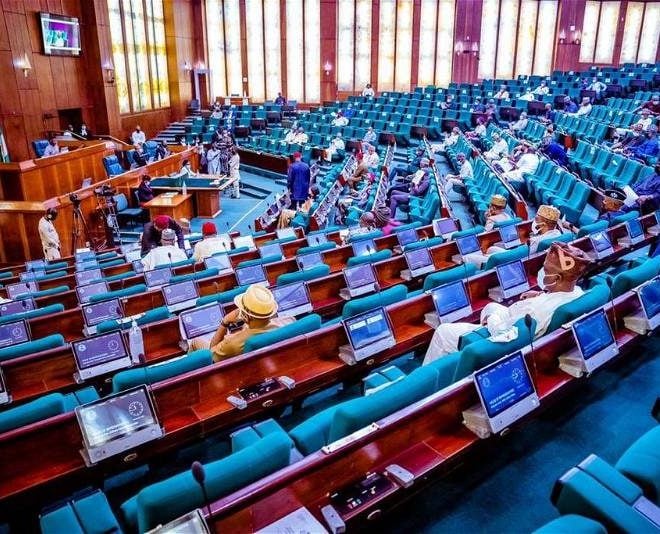
Abbas made these comments during a public hearing on the Statistics Bill 2025, which took place at the State House in Abuja on Monday. The hearing was organized by the House of Commons National Planning and Economic Development Committee to gather input from stakeholders on the proposed legislation. This bill seeks to repeal the Statistics Act of 2007 and usher in a modern legal framework for the country’s statistical architecture.
Aiming for Enhanced Coordination and Quality
The proposed legislation aims to strengthen the National Bureau of Statistics (NBS) by improving coordination among government agencies involved in data collection, facilitating the dissemination of digital data, enhancing quality assurance mechanisms, and establishing a sustainable funding model for the national statistical system.
Importance of Reliable Data in Governance
Represented by House Leader Professor Julius Ihonbere, Abbas pointed out that reliable statistics are indispensable for national planning, economic management, and development policy, especially in an increasingly data-driven world. He emphasized that making informed policy decisions, allocating budgets, and investing in infrastructure requires access to accurate and timely data.
Need for Modernization in Statistical Frameworks
Abbas acknowledged the vital role the Statistics Act of 2007 has played in improving official data production over the years, but noted that the digital age has highlighted its limitations. He highlighted that technological advances such as artificial intelligence, machine learning, and big data analytics have transformed how governments generate and utilize information.
Streamlining Data Collection Efforts
The Speaker pointed out the necessity to eliminate redundancies in government data collection efforts, asserting that a harmonized statistical system would minimize waste, conserve public resources, and enhance trust in official statistics. He stated that it is crucial to craft a system that instills confidence, regardless of whether stakeholders are evaluating data from Abuja, London, or New York.
Commitment to Evidence-Based Policy Making
The thrust for reform comes as the global community increasingly recognizes the importance of robust national statistical institutions in measuring economic performance and supporting evidence-based policymaking. In Nigeria, the NBS is the official source for critical socio-economic indicators, including inflation rates, unemployment statistics, and GDP estimates. Nonetheless, challenges persist, including funding issues, data harmonization, and coordination across various institutions.
Broad Stakeholder Engagement Encouraged
Abbas reiterated Congress’s commitment to comprehensive legislation and urged stakeholders from academia, government, civil society, development agencies, and the private sector to scrutinize the bill and submit recommendations to fortify its framework. He stressed that broad participation is essential to ensure the legislation is attuned to future developments in data governance.
Support from the National Bureau of Statistics
The National Bureau of Statistics has voiced strong support for the legislation, describing it as a crucial step towards modernizing Nigeria’s data governance framework. Prince Adeyemi Adeniran, the Director-General of the NBS, pointed out that adapting the national statistical system to evolving technological advancements and new data sources is essential. He explained that the proposed bill, consisting of eight parts and 42 provisions, covers various crucial areas such as statistical governance and stakeholder coordination, aiming to enhance the effectiveness of official statistics across the country.
A Look Ahead
If enacted, the Statistics Bill 2025 will mark the most significant reform to Nigeria’s statistical framework in nearly two decades, with far-reaching implications for economic planning, public policy, and national development. The public hearing attracted a diverse group of participants, including representatives from government ministries, civil society organizations, and development partners, all engaged in discussing how to strengthen the bill’s provisions.
