


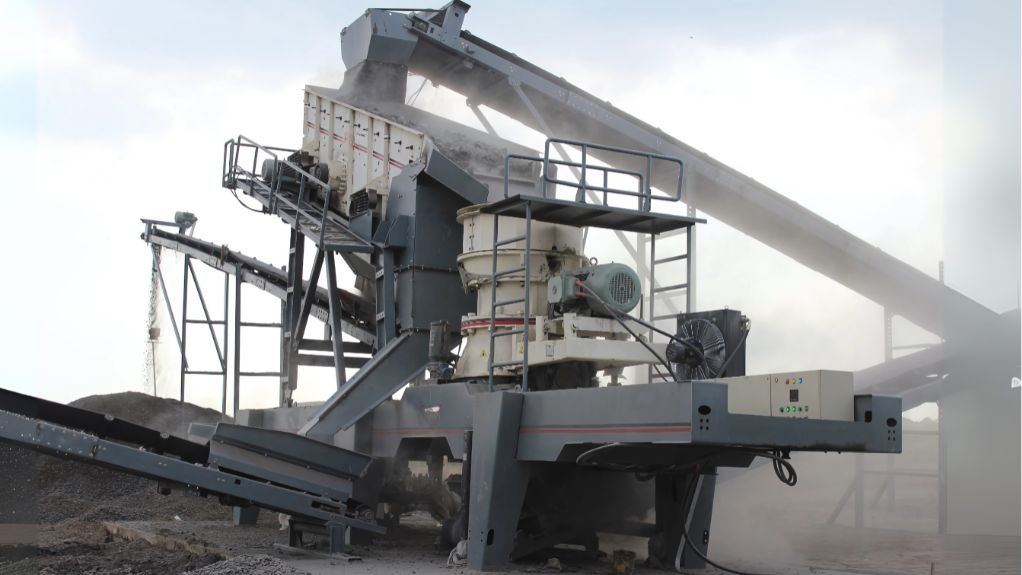
Demand for Minerals Spurs Operational Efficiency in Africa’s Mining Sector
The rising demand for minerals such as gold, copper, and lithium is prompting African mines to adopt more efficient crushing, sorting, and grinding systems. These advancements not only help meet production targets but also adhere to environmental standards, according to Chris Marsay, marketing manager at Gold Rock Projects, a provider of crushing and aggregates processing solutions.
Evolving Mining Practices Emphasize Operational Excellence
Marsay highlights that Africa’s mining industry is entering a transformative phase, where resource extraction is becoming synonymous with operational excellence, technological adaptability, and human capital development. The sector’s focus is shifting from merely extracting minerals to ensuring sustainable practices that enhance overall effectiveness.
Technological Advances in Crushing and Sorting
Despite the fact that crushing and sorting technologies have remained fundamentally unchanged over the years, Marsay notes that innovations in maneuverability, weight, and energy consumption are redefining how mining plants operate across the continent. These changes are making it easier for facilities to optimize their operations while meeting strict regulatory requirements.
Preference for Simplicity in Equipment Choices
Many operators are increasingly opting for simplicity when selecting new equipment. Marsay indicates that a growing number of clients in Africa are favoring wheeled crushing units over tracked machines. “Operators appreciate the robustness, ease of maintenance, and cost savings of wheeled equipment,” he explains. This trend aligns with a broader move towards modular and mobile plant designs that can be rapidly deployed and easily adjusted to varying orebody and site conditions.
Meeting Market Demands with Modular Solutions
This shift towards modularity—be it a two-stage aggregate plant or a high-throughput copper operation—is enabling mines to scale production more efficiently and respond swiftly to evolving market demands. Marsay asserts that the flexibility provided by these systems enhances operational responsiveness and efficiency.
People at the Core of Operational Success
While technological advancements contribute to improving mining performance, Marsay emphasizes that skilled personnel remain pivotal to operational success. The complexity of handling crushing plants and heavy machinery necessitates informed decision-making and proper maintenance. “Equipment used incorrectly can lead to downtime, inefficiencies, and increased costs,” he cautions. This challenge is particularly pressing as artisanal and subsistence miners transition to fully mechanized operations, underscoring the urgent need for comprehensive operator training.
Training and Support to Optimize Mining Operations
Marsay explains that Gold Rock Projects offers extensive training and technical support across Africa, ensuring operators can efficiently use the equipment while understanding maintenance and optimization best practices. This proactive approach helps mining companies avoid costly mismatches that could hinder production. Additionally, while inexpensive imported equipment might attract interest, Marsay warns that it often lacks long-term reliability and adequate local support, potentially leading to costly errors. “African mines cannot afford extended downtime,” he emphasizes, stressing the importance of reliable service, especially in remote mining areas.
Strategic Tools for a Sustainable Future in Mining
Marsay posits that the future of mining in Africa will be shaped significantly by the interplay of technology and human capital. Crushing, sorting, and grinding processes are evolving into strategic tools aimed at achieving sustainability, productivity, and resilience. He notes that Gold Rock Projects is dedicated to fostering a more efficient and sustainable mining sector through practical facility design and ongoing skills development and support. This dual focus, he concludes, will empower African mines to extract greater value from their resources while enhancing both capacity and resilience among their operators.
