


Nigeria’s Constitutional Crisis and Calls for Federal Reform
Nigeria’s current state is a growing concern for those who prioritize justice and fairness. The nation continues to promote systemic injustice while grappling with ethnic and religious divisions. Many believe that the existing constitutional framework, characterized as federal but functioning more like a quasi-federal system, is fundamentally flawed and requires urgent reassessment. Nigeria’s potential as the largest Black nation on earth remains unfulfilled due to these structural deficiencies.
Failures of the Current Governance System
A significant segment of Nigeria’s intellectual community argues that the current governance model is unsustainable. Originally envisioned as a collection of semi-independent states, Nigeria’s evolution has strayed far from its intended purpose. Despite being labeled a functional federal state, indicators of growth and development paint a grim picture for individuals and the nation alike, raising questions about the competencies of decision-makers in the country.
The Implications of Recent Political Developments
The political landscape is further complicated by the elite’s response to the arrests of key figures in the secessionist movements, such as Nnamdi Kanu and Sunday Igboho. The apparent celebration among some northern leaders and their southern allies only heightens skepticism about their dedication to establishing justice within Nigeria’s political framework. The actions of these leaders seem less about genuine governance and more about maintaining a status quo that lacks equity and fairness.
Historical Context of Agitations for Independence
The movements led by Kanu and Igboho symbolize broader calls for political consciousness, highlighting the historical grievances that continue to resonate in Nigeria. The shadow of the Biafran War, which began in 1967 and resulted in substantial loss of life, remains a painful chapter in Nigeria’s history. This tumultuous past continues to fuel contemporary struggles and underscores the need for viable solutions to long-standing issues of governance and representation.
Examining the Historical Foundations of Federalism
To sustain its unity, Nigeria must confront its historical narratives that challenge the legitimacy of its federal system. The founding principles, which aimed for fairness and justice in governance, have been compromised over the years. A successful restructuring towards true federalism is vital for addressing the country’s many challenges. Without substantive changes, Nigeria cannot hope to achieve its envisioned potential or inspire trust in its governance.
Questions for Nigeria’s Northern Leadership
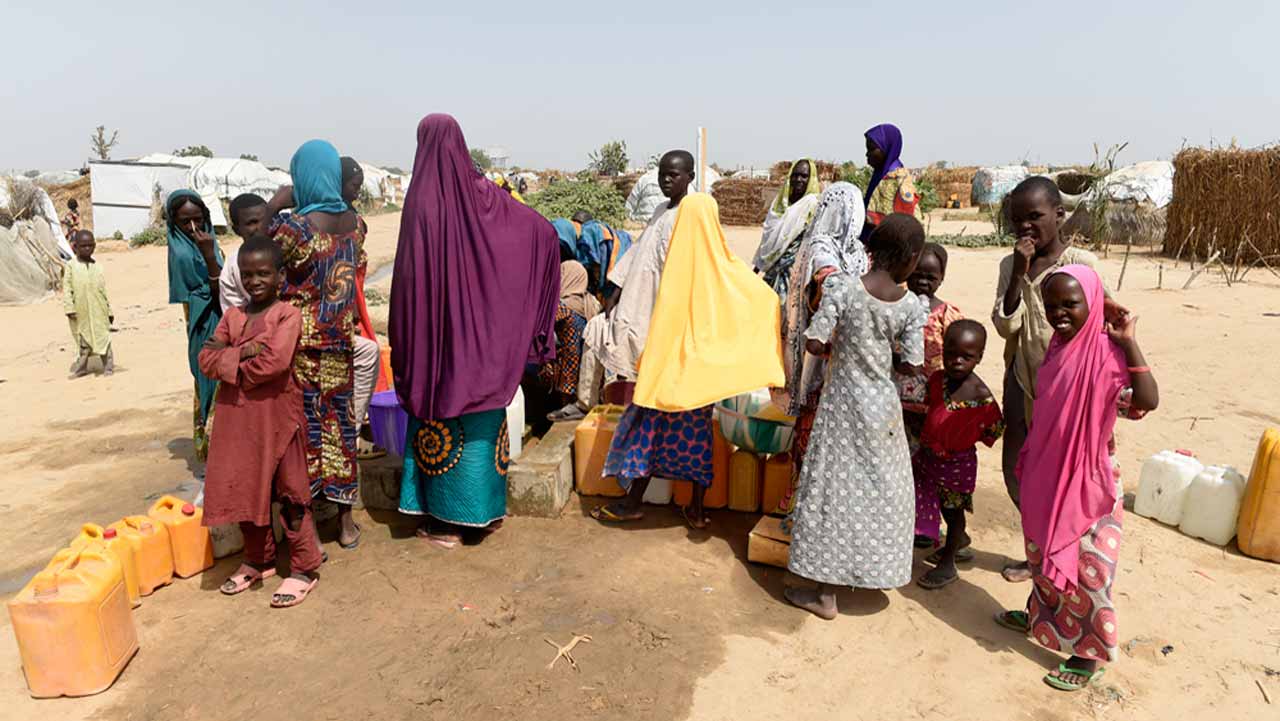
Fundamental questions arise regarding the actions and inactions of northern elites in response to rising violence and instability across the country. Why is there a continued tolerance for cross-border criminal activity? What measures are being taken to combat the humanitarian crisis of displaced people resulting from attacks by groups such as Boko Haram? Furthermore, the reluctance of current leaders to adopt progressive electoral practices raises alarms about electoral integrity and accountability.
The Economic Disparities and Challenges
Moreover, the economic landscape in northern Nigeria remains dismal, with leaders prioritizing religious mandates over effective governance. While regions that adhere to Sharia law persistently reject revenue opportunities from non-compliant sectors like alcohol sales, they continue to benefit from the economic impacts of such trades. The neglect of educational initiatives for vulnerable populations, such as the Almajiri youth, serves as a reminder of the region’s systemic underdevelopment.
