


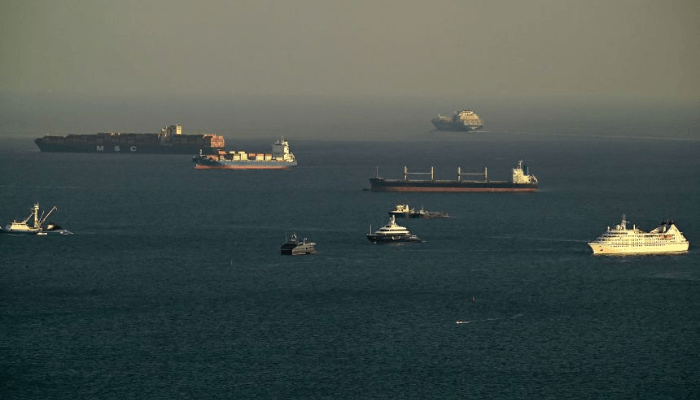
Trump Confirms Naval Blockade on Iran Will Remain in Place
As uncertainty looms over the potential for renewed peace negotiations, U.S. President Donald Trump has announced that the naval blockade of Iranian ports will remain in effect until a formal agreement is reached with Iran.
Impact of the Blockade on Iran
The blockade, instituted a week ago, is “totally destroying Iran,” Trump declared via his Truth Social platform, asserting that the U.S. is “winning the conflict in a big way.” These comments reflect an aggressive stance in U.S.-Iran relations as tensions continue to rise.
Ceasefire Expiration and Diplomatic Preparations
With a temporary ceasefire set to expire on Wednesday, questions remain about whether a second round of talks will take place in Islamabad. Security measures have been heightened in Pakistan’s capital in anticipation of these potential discussions. However, U.S. Vice President J.D. Vance, who is expected to lead the U.S. delegation, has not yet departed Washington, and Iranian officials have yet to confirm their attendance.
U.S. Military Engagement in the Region
According to U.S. Central Command, the military has turned back at least 27 ships since implementing the blockade. Tensions escalated further on Sunday when the U.S. intercepted an Iranian-flagged cargo ship attempting to navigate through the restricted area. Military personnel were captured boarding the vessel after issuing a prior warning, highlighting the increasing stakes in the region.
Iran’s Response to Seizure and Ongoing Tensions
The Iranian government has condemned the U.S. seizure of the cargo ship as “an act of piracy,” arguing that it undermined a fragile ceasefire agreement, as reported by the BBC. Compounding the situation, Iran has upheld a blockade of the Strait of Hormuz—crucial for global energy shipments—for nearly two months. This closure has spurred a significant rise in global oil prices and raised concerns about broader economic repercussions.
Diplomatic Stalemate and Future Negotiations
The Strait briefly reopened on Saturday but was quickly closed again due to reports of hostile actions against vessels, including tankers. President Trump accused Iran of breaching the ceasefire and escalated the rhetoric, stating that Iran has “decided to fire bullets” in a “complete violation.” Despite the stalemate, there are signals that negotiations could still advance; U.S. officials have indicated that the delegation may depart soon, although dates remain unconfirmed. Conversely, Iranian officials stated that they currently have no plans to attend talks.
Delegation Composition and Next Steps
Vance is expected to be joined by special envoy Steve Witkoff and senior advisor Jared Kushner, who both participated in the initial discussions. However, the Iranian representation in potential negotiations remains uncertain. As the ceasefire deadline approaches, both sides are holding firm, resulting in a precarious balance. The slim prospect of renegotiation could offer a path to de-escalation, but it remains to be seen whether either party is prepared to embrace that opportunity.
