


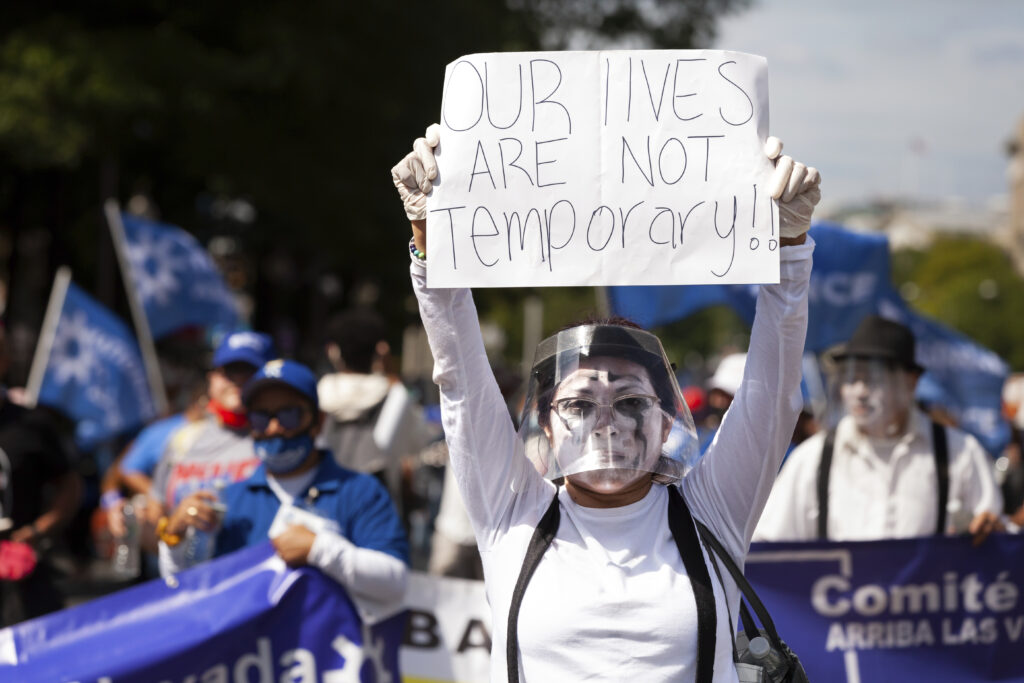
Delays in Immigration Status Renewals Threaten California Educators
Early education teachers in California’s Central Valley may soon face displacement from their classrooms due to significant delays in renewing their immigration status and work permits. For one teacher, the status update remains stuck in “processing.”
If her permit is not renewed in time, young children in her class could lose their teacher overnight, affecting their learning environment dramatically.
The educator, who spoke with EdSource on the condition of anonymity for fear of repercussions, stated, “I’m scared.” Her permit expired last week, and she expressed concern over the prolonged processing times, which now exceed normal schedules.
Nationwide, Deferred Action for Childhood Arrivals (DACA) recipients, including many educators in California, face frustrating delays of over five months for renewal applications. This situation risks abrupt staffing changes in schools and underscores the precariousness of their temporary immigration status.
Currently, about 506,000 individuals hold DACA status in the U.S., with nearly 28% residing in California. The President’s Alliance for Higher Education estimates that there are approximately 6,784 educators within the K-12 and higher education sectors in California who rely on DACA.
Concerns also persist regarding possible repercussions from past administrations’ efforts to undermine DACA. “The stakes are higher than ever for obtaining valid legal status,” said Aya al-Duraji, who leads the Home is Here campaign with immigrant rights group United We Dream. “Their lives shouldn’t be put on hold every two years.”
Current Situation of DACA Legislation
Created under President Barack Obama, DACA grants eligible undocumented immigrants who arrived in the U.S. as children temporary work authorization and protection from deportation. However, recipients must renew their status every two years, and the program does not offer a direct path to citizenship, leaving it vulnerable to changes or termination at any time. Although a federal appeals court previously ruled against DACA, the case has been sent back to a Texas district court for further consideration.
U.S. Citizenship and Immigration Services (USCIS) continues to accept renewal applications and asserts that it will maintain this practice unless there is a court order or a change in policy from the current administration.
Increased Complexities and Challenges in the Renewal Process
Every month, around 19,000 DACA recipients initiate renewal applications. Recent data from USCIS indicates that median processing times have risen from about one month at the end of 2023 to over two months by early 2024. This timeline is increasingly concerning for many applicants.
The renewal process has also become more intricate. The National Immigration Law Center reports that applicants now must complete additional steps, including in-person fingerprinting appointments that were previously suspended during the pandemic. Moreover, some applicants may undergo additional screening depending on their country of origin.
Immigration attorney Megan Krutt highlights another challenge for DACA holders: the financial burden associated with renewals. One early education teacher explained that she submitted her application three months in advance to gather the necessary $600 for renewal and attorney fees.
Although USCIS recommends submitting renewals four to five months prior to expiration, many DACA recipients encounter difficulties regardless of when they apply. The teacher in question has completed all requisite steps for her biometric appointment, yet her online case tracker continues to display “in progress.” This lack of transparency creates anxiety for educators who risk losing their employment without any grace period if their permits expire during the renewal process.
Impacts on Livelihoods and Student Stability
Without valid work authorization, school districts are unable to retain DACA recipients on payroll, leading many educators to be placed on unpaid administrative leave. The Fresno Teachers Association has reported that five teachers are currently on leave, a number that may continue to rise.
“It’s not just about losing a job; it’s a disruption for the children,” noted Al-Duraji of United We Dream. “Teachers are the backbone of the classroom. What happens when they walk in one day and are gone the next?”
This particular early education teacher enjoys a strong bond with her 1-to-3-year-old students, who express affection for her daily. She worries that her impending unpaid leave will disrupt the nurturing environment they have built together over the past nine months, as they explore the world, engage in outdoor play, and share stories.
When educators lose their ability to teach, the ramifications extend far beyond the classroom. Students face instability and loss of support, while teachers and their families grapple with the financial strain of loss of income and benefits.
Targeted Threats Facing DACA Recipients
DACA recipients awaiting renewal also harbor fears of deportation if their permits run out. During the Trump administration, there were instances where individuals were detained and deported even while eligible for DACA.
In a span of ten months in 2025, nearly 300 DACA recipients were detained, and about 90 individuals were deported across the United States. Advocates argue that this administration has deliberately targeted the program and its beneficiaries, leading to a loss of access to health insurance under the Affordable Care Act and in-state tuition for college in certain states.
“This marks one of the first times we’ve seen protections disregarded,” Al-Duraji stated. “The delays in renewal, detention, and deportation of individuals with active DACA status present the most critical challenges in the program’s 14-year existence.”
For educators like this early education teacher, DACA remains the most viable option for stability in the United States. “I’m stuck,” she emphasized, pointing out that the family-based asylum route does not apply to her circumstances.
While school districts and universities have the capacity to sponsor employment-based green cards leading to citizenship, thousands of educators remain in limbo, uncertain about their ability to continue working in schools or residing in the U.S. Advocates argue that comprehensive federal legislation is essential to create a clear pathway to citizenship for DACA recipients.
“We need a permanent solution for those who have spent most of their lives here and contributed to their communities, whether as teachers or nurses,” Al-Duraji concluded.
EdSource reporter Zaidee Stavely contributed to this report.
