


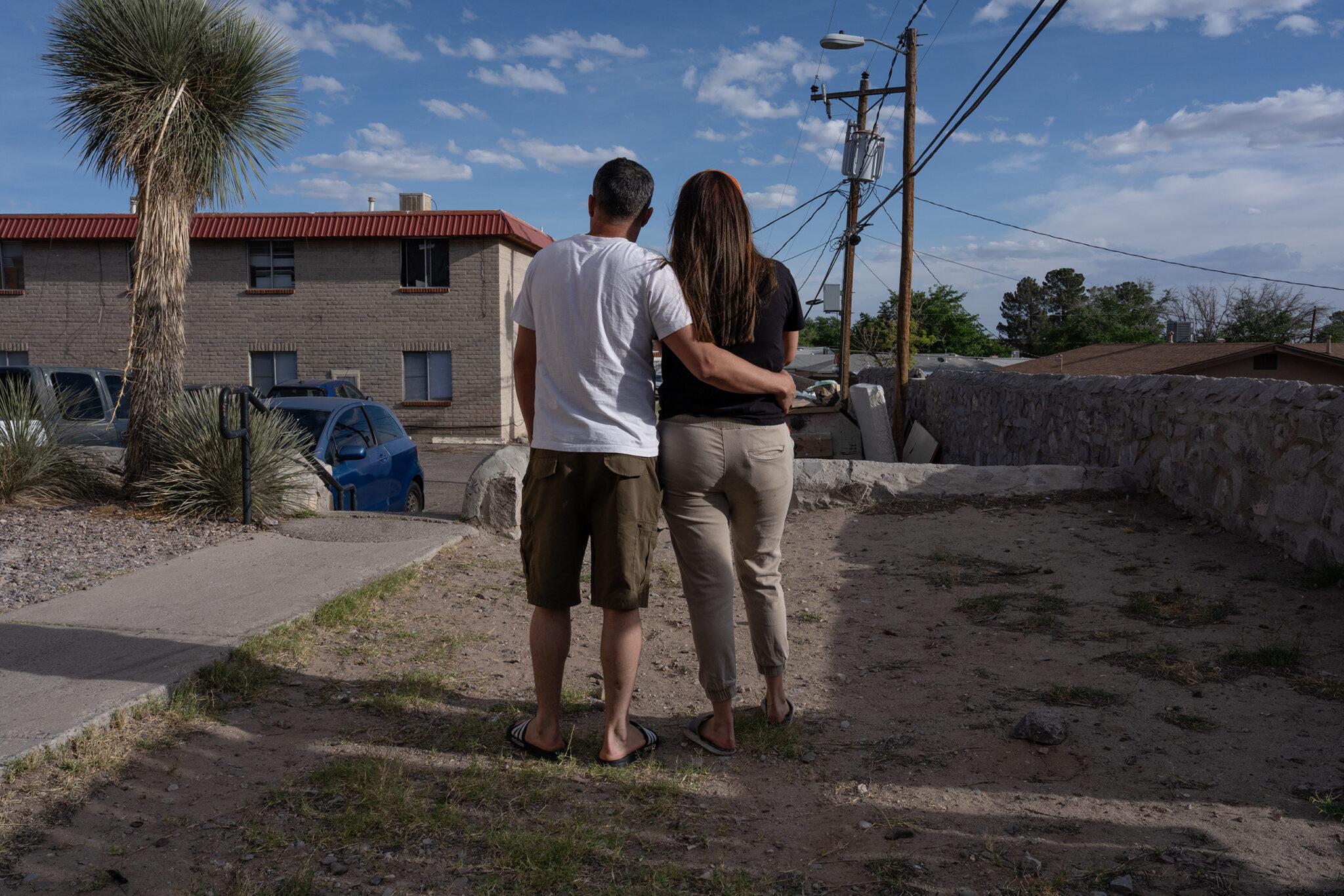
Asylum Seeker Finds Humanity in U.S. Amid Legal Challenges
Amal Khalifa expressed a profound sense of belonging when she reported domestic violence to the authorities after fleeing Egypt for the United States in 2019. For the first time, she felt recognized as a human being, experiencing kindness from law enforcement.
After securing asylum last year due to fears of persecution in Egypt, Khalifa still faced significant hurdles. During her tenure as a government employee in Egypt, she faced threats for exposing criminal corruption and undue influence from the powerful Muslim Brotherhood.
Employment Struggles for Asylum Seekers
Upon arriving in the U.S., Khalifa found herself alone after separating from her ex-fiancé, navigating the complexities of her asylum claim independently. She eventually landed a position as an auditor with the New York State Department of Labor, a development she attributes to the work permit she acquired after filing a lawsuit.
Potential Changes to Asylum Work Eligibility
However, recent proposals could severely restrict employment opportunities for asylum seekers. Currently, these individuals must wait six months post-application before they can legally work, but the Trump administration aims to extend this waiting period to a year. Public comments on the proposal are being accepted until the end of the week, but no effective date has yet been announced.
The Backlog’s Impact on Employment
This proposal also includes a moratorium on new work permit applications while addressing the existing backlog of 1.4 million cases. The administration estimates that if the proposal is enacted, it could halt new and renewal applications for up to 173 years dating back to 2014, leaving many asylum seekers in a precarious position.
Concerns from Advocacy Groups
Immigration advocacy groups, including The Forum, have expressed deep concerns that these changes could exacerbate poverty among asylum seekers and lead to increased competition for jobs among undocumented workers. The Department of Homeland Security has noted that if the rule takes effect, approximately 500,000 asylum applications would be directly impacted, resulting in substantial wage losses estimated between $27 billion and $127 billion annually.
Critics of Proposed Rule Changes
Colleen Putzel Kavanaugh, an associate policy analyst at the Migration Policy Institute, criticized the changes, stating it would complicate the process of obtaining and maintaining work authorization for asylum seekers. Amy Grenier from the American Immigration Lawyers Association has also condemned the proposal, suggesting it undermines the legal right to apply for asylum and could burden American businesses reliant on the skills of these legal workers.
Labor Market Needs Amid Regulatory Changes
The proposed rule changes could dampen the labor market, particularly affecting industries in critical need of skilled workers, like healthcare. Abigail Ziv, chief program officer at Upwardly Global, highlighted the significant number of underemployed immigrants possessing professional qualifications from their home countries. Employers across various sectors rely on these individuals to fill crucial roles and sustain operations.
Efforts to connect asylum seekers with employment continue, as evidenced by programs launched by the New York State Department of Labor to match individuals with job opportunities, alleviating pressures on migrant shelters. While the federal regulations suggest that restricting immigrant work permits could be advantageous for American workers, past attempts to limit work authorization have been met with legal resistance.
