


Houston Expects Restoration of $114 Million in Public Safety Funding
The City of Houston anticipates the reinstatement of $114 million in public safety funding following the approval of a revised Immigration Enforcement Ordinance by the Houston Police Department.
Expanded Executive Discretion in Immigration Enforcement
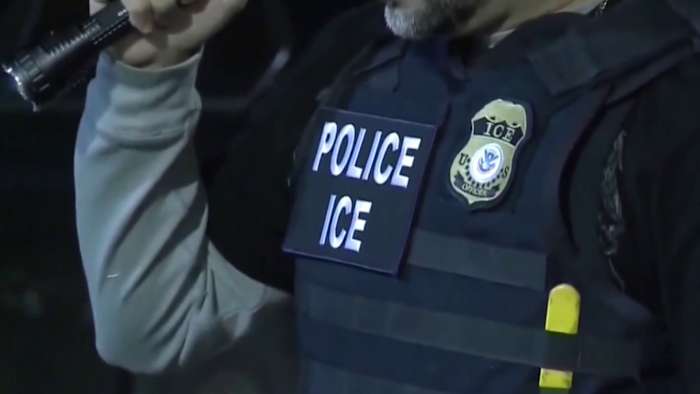
The updated policy enhances executive discretion regarding immigration enforcement. Under the new ordinance, when a police officer stops an individual and finds that there is no civil immigration warrant, they have the authority to determine how long federal agents, such as ICE, will take to assume custody of the individual.
Changes in Law Enforcement Protocols
This represents a shift from the previous ordinance, which stipulated that officers were not required to wait at all for federal agents. It’s important to note that this new policy only pertains to civil immigration warrants and does not extend to criminal warrants.
Impact of the Ordinance on Police Funding
The anticipated funds will be allocated toward overtime operations for Houston police, as well as programs focused on human trafficking and driving while intoxicated (DWI) enforcement. Texas Governor Greg Abbott had previously expressed a desire to modify the ordinance and had initially frozen this funding. He stated that funds would be released once law enforcement approval was granted, a process now underway.
Uncertainty Surrounding the Ordinance’s Implications
Despite the City Council’s passage of the revised ordinance, pivotal stakeholders continue to differ in their interpretations of its application. Clarifying the new policy, KPRC 2’s Rechelle Turner engaged with the Houston Police Officers Union to discuss the amendments.
Protocol for Traffic Stops Involving ICE Warrants
In practical terms, if an individual is stopped and only has an ICE administrative (civil) warrant, the officer will reach out to federal authorities to inquire if they wish to take the person into custody. Ray Hunt, executive director of the Houston Police Officers Union, explained that if ICE indicates it will take several hours, they will not wait indefinitely but instead evaluate what constitutes a reasonable amount of time.
Considerations and Concerns About Reasonable Detainment
The definition of “reasonable” varies based on context; for instance, the urgency of a police stop during rush hour is fundamentally different from one occurring in the early morning. Officers are encouraged to consult with supervisors to determine an appropriate timeframe. Furthermore, this policy applies universally to all traffic stops, not exclusively to undocumented individuals. Officers will consult various national and state databases to assess warrants from ICE or other agencies.
Challenges Related to Immigration Status Checks
Houston police have clarified that officers will not inquire about an individual’s immigration status. The database will only include information on prior interactions with ICE, such as notices to appear or deportation orders. However, concerns persist, as not all warrants carry the same implications, and issues may arise during regular status checks.
Potential Legal Implications and Guidance for Houston Police
Immigration attorney Reid Gonzalez raised concerns about the ambiguity surrounding the ordinance, suggesting that inaccuracies in the database could lead to problems for individuals, including legal residents who may be wrongfully detained. The revised policy now necessitates that Houston police officers begin receiving guidance on compliance and enforcement in the field.
