


Katsina State Celebrates Long-Awaited Polio-Free Milestone
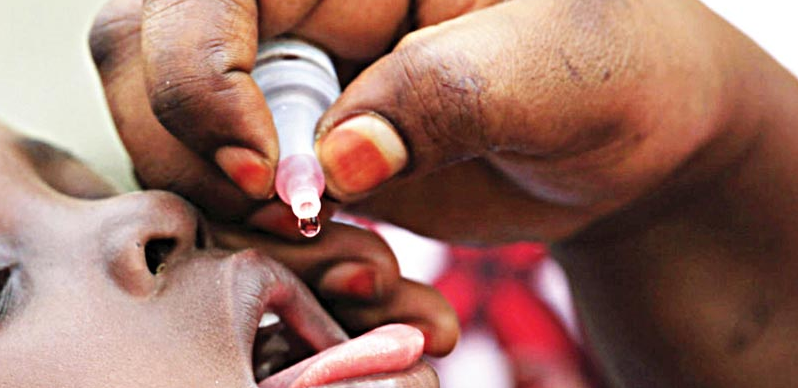
Katsina State has achieved an important breakthrough in public health, having maintained 11 consecutive months without reporting new polio cases. This milestone follows a massive immunization campaign reaching over 2.9 million children, as announced by Heartland Alliance LTD/GTE (HALG) during World Immunization Week 2026, under the theme ‘Vaccines Work for Every Generation.’
Ongoing Challenges in the Fight Against Polio
Dr. Bartholomew Ochonye, CEO of HALG, emphasized that this progress stems from targeted interventions in high-risk areas, but cautioned that the battle against polio remains precarious. “Eleven months without a new case is substantial progress for a region that was once among Nigeria’s most vulnerable,” he stated. However, he underscored that even one unvaccinated child poses a significant threat for the poliovirus to persist.
Impact of the Immunization Campaign
As of March 2026, the campaign successfully immunized over 2.9 million children across Katsina, significantly contributing to the state’s absence of vaccine-derived poliovirus type 2 (cVDPV2) cases. Despite these achievements, the campaign revealed stark deficiencies in Nigeria’s overall immunization framework. HALG reported that more than 50,000 children identified during this campaign had never received vaccinations prior to this outreach.
Addressing Gaps in Vaccination Coverage
Ochonye pointed out the urgency of addressing the needs of these children, many of whom reside in remote locales that often fall outside official records. If these children remain elusive, the risk of poliovirus resurgence persists. The initiative that began in April 2025 involved over 4,000 field teams carrying out door-to-door surveys across 2,356 hard-to-reach settlements. The teams visited over 836,000 households, vaccinating more than 1.6 million children in the first phase alone, surpassing initial targets by 166 percent.
Strategic Planning for Future Immunizations
To build on this success, HALG has spearheaded a comprehensive micro-planning exercise in all 34 local governments of Katsina. This effort aims to accurately map settlements to enhance vaccination reach and ensure that no community is overlooked. Experts in public health emphasize that such meticulous planning is vital in northern Nigeria, where issues like inadequate data systems, security concerns, and vaccine hesitancy have historically undermined vaccination missions.
Understanding the Broader Implications
Global statistics reveal troubling trends, with the World Health Organization projecting that nearly 20 million children will miss at least one vaccine in 2024, and over 14 million will receive no vaccinations whatsoever. A significant portion of these children is believed to belong to underprivileged communities in northern Nigeria, amplifying the urgency of targeted immunization initiatives.
Call for Sustained Commitment to Public Health
Despite the positive developments in Katsina, HALG has highlighted persistent challenges. Security issues hinder access to some areas, while vaccine hesitancy continues to present obstacles, albeit reduced by 40% thanks to community engagement. Compounding these challenges are limitations concerning cold chain logistics and weak health infrastructure, which threaten the sustainability of the impressive progress achieved thus far.
Next Steps in the Battle Against Vaccine-Preventable Diseases
Ochonye reiterated the importance of mobilizing federal and state resources, along with support from development partners and the private sector, to sustain funding for last-mile immunization strategies. “Vaccines are effective for all generations,” he affirmed, “yet a generation is not merely a statistical concept; it embodies specific children in specific communities who may not even appear on official maps. Our mission is to locate, count, and reach them consistently.”
