


Concerns Over Security in Northern Nigeria Ahead of 2027 Elections
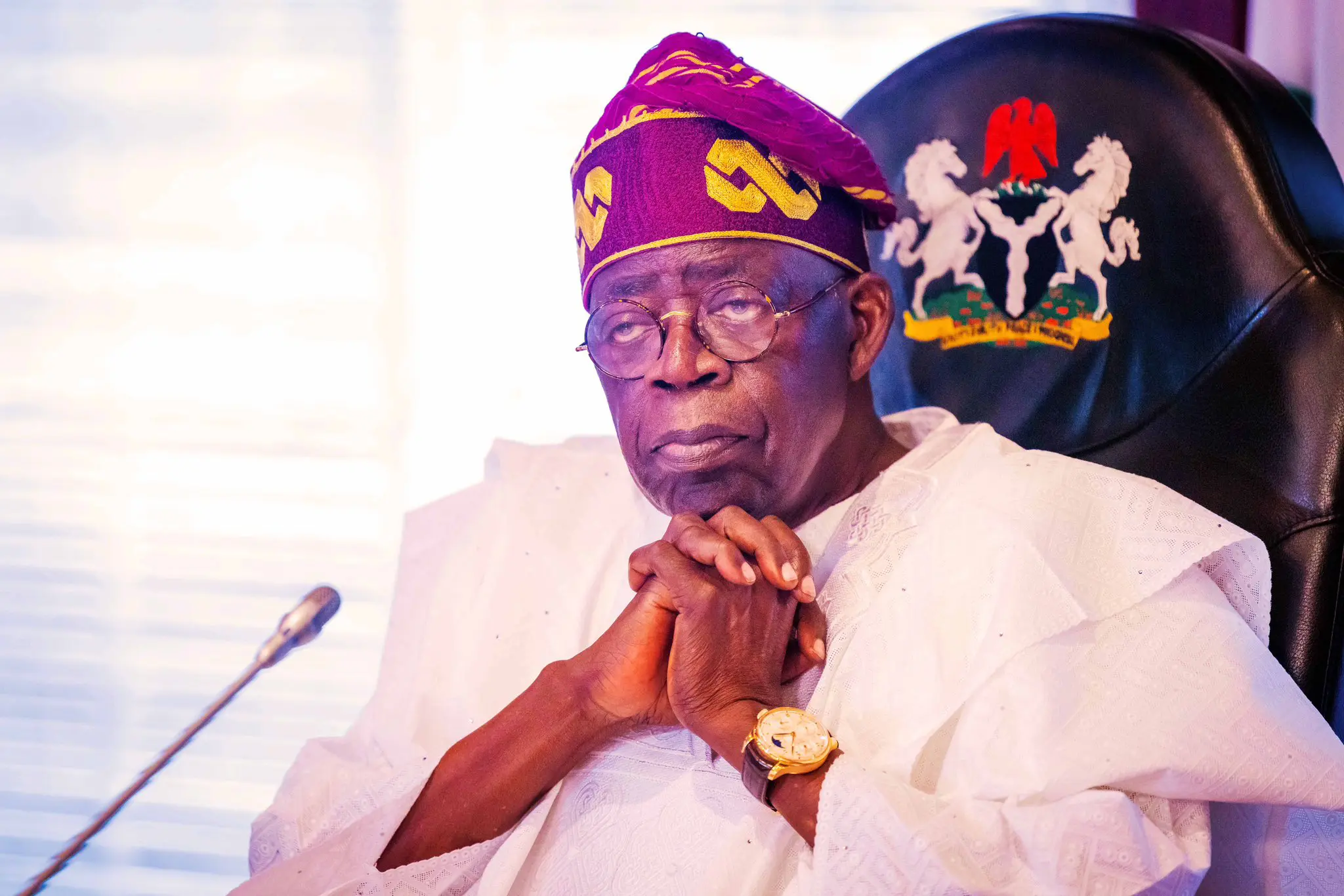
Anthony Sani, the president of the Arewa Consultative Forum, has downplayed the notion that the worsening security situation in northern Nigeria could significantly weaken President Bola Tinubu’s support as the 2027 general elections approach. Sani’s comments arise amid a backdrop of increasing attacks and kidnappings across various northern states, including Borno, Zamfara, Niger, Plateau, and Benue, which have heightened public anxiety over security and governance in the region.
On April 9, 2026, armed groups reportedly linked to the Islamic State West Africa Province launched an assault on a military base in Benishek, Borno State, resulting in the deaths of several military personnel, including Brigadier General Oseni Buraima, the commander of Task Force 29. This incident underscores the prevailing insecurity troubling both northeast and northwest Nigeria.
The uptick in violence has sparked renewed discussions among political analysts regarding its potential electoral consequences, especially in regions that were pivotal to Tinubu’s success in the 2023 elections. As the security situation evolves, various northern politicians have voiced concerns that Tinubu may face a significant decline in support unless substantial improvements are made. Notably, Buba Galadima, during the African Democratic Congress convention, issued a stark critique of the president’s electoral prospects.
“Even if there is no living person in Nigeria and we bring a dead body in a coffin to run against President Tinubu, I guarantee you that that dead body will win the 2027 elections,” Galadima stated, reflecting widespread discontent among some factions in the north.
In addition, former Vice President Atiku Abubakar and former Secretary to the Government of the Federation Babashir Lawal have consistently argued that the administration’s handling of insecurity, particularly in the north, could jeopardize Tinubu’s chances for re-election. Their concerns are rooted in a larger context where security issues have historically influenced voter sentiment in the region.
For example, the 2015 presidential election saw a significant political shift in Nigeria, driven largely by public dissatisfaction over the handling of Boko Haram by then-President Goodluck Jonathan. However, Sani urges against drawing parallels between the current climate and past events, positing that the political dynamics are notably different. “Given that this insecurity started in 2009, we do not know whether northerners will vote against President Bola Tinubu due to insecurity,” he reasoned. He further emphasized that the anger towards President Jonathan was primarily sparked by his administration’s response to the Chibok girls incident.
Sani’s remarks showcase the competing narratives within the region. While insecurity undoubtedly remains a significant concern, the decision-making processes of voters may also be influenced by broader political insights, historical precedents, and leadership evaluations. As the lead-up to the 2027 election intensifies, the interplay of security challenges, governance, and regional political dynamics will continue to shape voter perceptions across northern Nigeria.
