


Fifth Circuit Vacates Injunction on Texas Immigration Law
A sharply divided Fifth Circuit Court of Appeals ruled 10-7 on Friday to vacate an injunction that was blocking a Texas law permitting state officials to enforce immigration regulations. The court concluded that the attorneys and counties challenging the legislation do not have standing to pursue their claims.
Senate Bill 4, enacted in 2023, authorizes state and local law enforcement to arrest individuals for immigration-related offenses and empowers state judges to issue deportation orders. This legislation prompted a lawsuit from the Department of Justice before it was put into effect.
The lawsuits were combined following a challenge spearheaded by the Las Americas Immigration Advocacy Center, American Gateways, and El Paso County. A federal judge had previously granted a preliminary injunction against SB 4, citing concerns it could infringe upon federal immigration authority. While the case continues to navigate the judicial system, the law remains inoperative for now.
In March 2025, the federal government withdrew its challenge after the inauguration of President Donald Trump. The Fifth Circuit’s ruling came on Friday, determining that the remaining plaintiffs lack the legal standing to contest the law’s validity.
U.S. Circuit Judge Jerry Smith, appointed by President Ronald Reagan, expressed in the majority opinion that this case addresses whether Texas can utilize its historic sovereign police powers to protect its citizens from what has been described as an unprecedented border crisis. The ruling vacated the preliminary injunction due to the plaintiffs’ lack of standing, without delving into the specifics of the preemption claim.
Las Americas and American Gateways contended that they had standing because SB 4 would compel them to allocate additional resources to defend individuals facing deportation under the newly established state system. However, Smith dismissed this claim, referencing a 2024 Supreme Court ruling in FDA v. Hippocratic Medical Alliance, which found that organizations which have not suffered concrete harm cannot establish standing simply by incurring costs to oppose certain actions.
Additionally, the majority opinion concluded El Paso County lacks the requisite standing. Smith noted that the county’s assertion that SB 4 would erode public trust in local government, along with concerns about rising law enforcement expenses, were deemed “premature,” as the projections regarding how the law will be enforced were essentially speculative.
In dissent, U.S. Circuit Judge Priscilla Richman highlighted that Las Americas provides not only advocacy but also essential legal services to low-income immigrants, arguing that this should grant them standing in the case. Richman insisted that the potential preemption of federal law by SB 4 warranted the upholding of the preliminary injunction. She underscored longstanding Supreme Court precedent indicating that immigration control is exclusively a federal prerogative, suggesting that Texas cannot function autonomously in this context.
Texas Attorney General Ken Paxton celebrated the Fifth Circuit’s decision, deeming it a significant win for public safety and law and order.
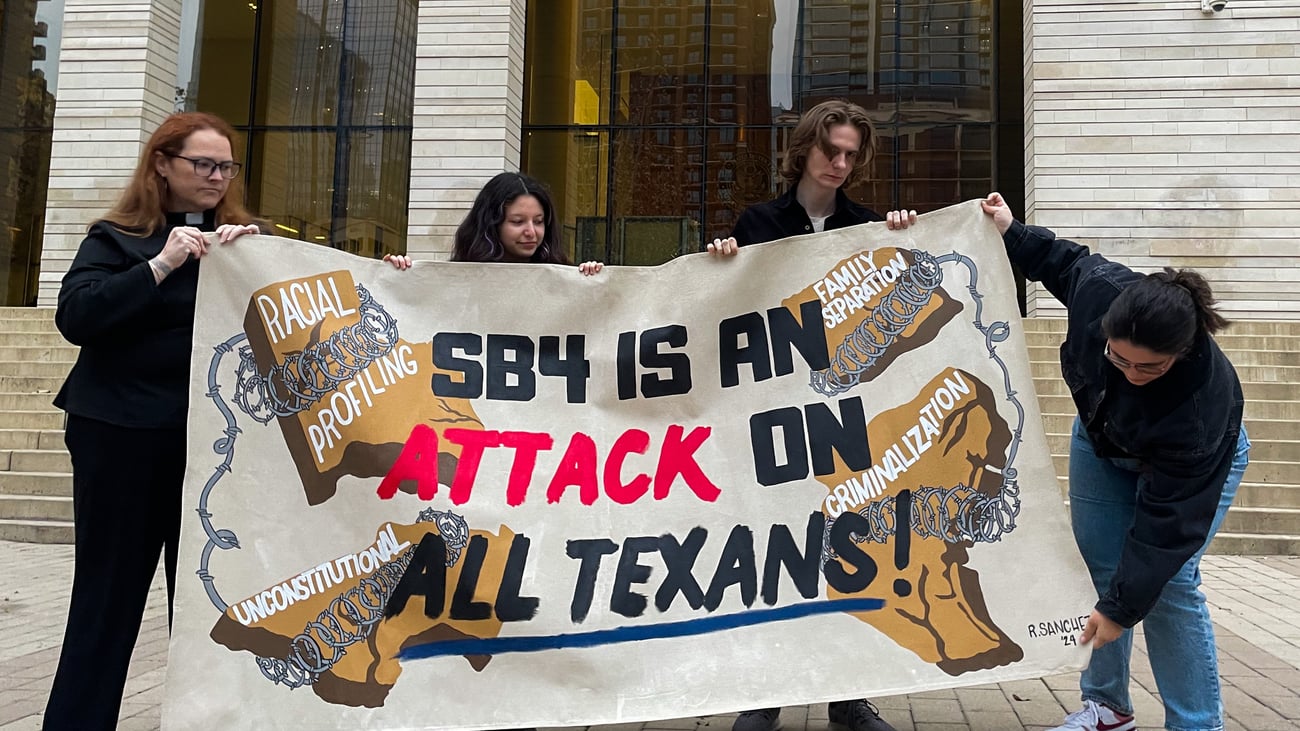
On the other hand, the American Civil Liberties Union, representing the plaintiffs, expressed deep concern over the implications of implementing SB 4. They warned that it could lead to immediate and severe consequences, such as racial profiling, family separations, and the unjust criminalization of long-term residents. Cody Wofsey, the ACLU’s deputy director for the Immigrant Rights Project, indicated that while this ruling pertains to procedural standing, the ongoing legal battles regarding SB 4 are far from over.
