


Concerns Over Nigeria’s Fiscal Policy Direction
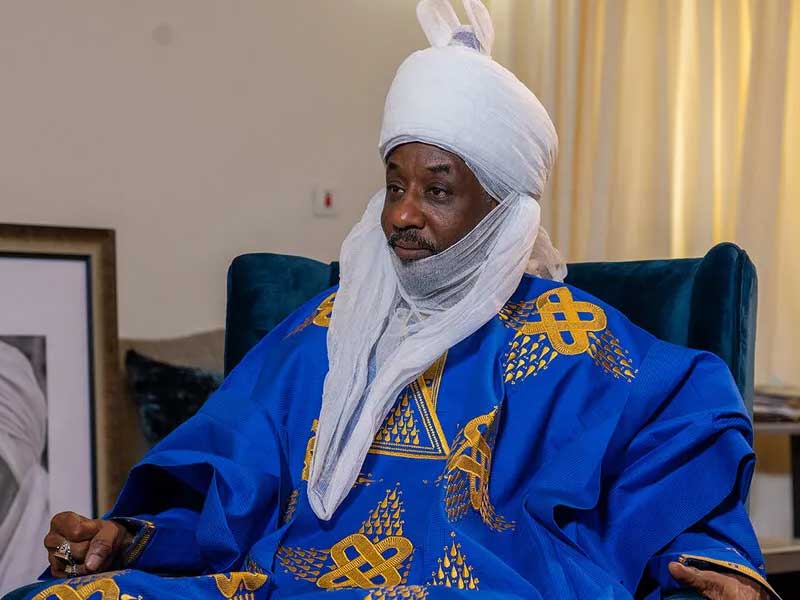
The Emir of Kano, Muhammadu Sanusi II, has issued a stark warning regarding Nigeria’s fiscal trajectory. He cautioned that ongoing borrowing following the removal of fuel subsidies could compromise the intended advantages of current economic reforms. Speaking at the 5th annual lecture organized by TheNiche in Lagos, Sanusi noted that while eliminating fuel subsidies is expected to create significant fiscal space, it raises concerns about whether this move would lead to debt reduction or tangible improvements in public welfare.
Call for Sustainable Economic Practices
“We have abolished subsidies. We are not using subsidies. What we should not see is fiscal contradictions,” Sanusi emphasized, questioning the rationale behind continued public borrowing despite the removal of subsidies. His remarks come at a time when President Bola Ahmed Tinubu has garnered attention for proposing a $516 million loan aimed at financing a portion of the proposed Sokoto-Badagry expressway, a project designed to connect Nigeria’s northwest and southwest regions.
Critique of Loan Strategies
The proposal has faced backlash from various stakeholders, including former Vice President Atiku Abubakar, who, while applauding the initiative, urged the government to seek alternative financing methods to avoid accumulating more debt. Sanusi underscored that reforms should not just be policy declarations but must lead to outcomes that the public can perceive, warning that failing to deliver on reforms could erode trust in the government.
Timing and Order of Reforms Scrutinized
While expressing support for the overall policy direction, the former Central Bank of Nigeria governor questioned the timing and sequencing of reforms, particularly the concurrent elimination of subsidies and foreign exchange market liberalization. He emphasized that Nigeria’s previous dependency on fuel subsidies and fixed exchange rates had resulted in severe economic distortions, making adjustment inevitable. However, he maintained that policy adjustments should be matched by discipline and consistency in their implementation.
Concerns Over Currency Stability
Sanusi further criticized the use of artificial exchange rates, particularly in a context where money is being printed indiscriminately, warning that such practices could lead to inevitable devaluation. He remarked that the interrelation between policy sequencing and foreign exchange volatility is critical, arguing that if subsidies are removed while liberalizing the exchange rate in a permissive financial climate, the naira may collapse before fiscal tightening can occur.
The Unsustainable Nature of Debt Servicing
On the financial front, Sanusi stressed the danger of a situation where 100% of national income is allocated toward debt servicing. “Once you reach that point, you can’t continue,” he cautioned, reiterating his longstanding views on governance and ethics in public service. He highlighted that individuals seeking wealth should consider private enterprise instead of pursuing governmental roles.
Linking Ineffective Governance to Economic Challenges
In a related discourse, Abia State Governor Alex Otti provided an overarching political context for Nigeria’s economic hurdles, attributing them to decades of ineffective leadership choices and declining civic engagement. Otti pointed out that the nation’s present economic challenges—poverty, rising unemployment, and failed institutions—are the cumulative effects of over fifty years of governance failures. “If you’ve been doing bad things for over 60 years, it’s going to take time to correct them,” he remarked.
The Call for Active Civic Participation
Otti cautioned that residents’ disengagement from the political process has significantly contributed to suboptimal governance outcomes. He argued that active participation in democracy goes beyond casting votes. Citizens must critically evaluate candidates and their economic agendas to ensure better governance. Referring to his own administration in Abia State, he expressed that thoughtful leadership can indeed act as a catalyst for economic revitalization, as evidenced by improved infrastructure and rising investor confidence.
