


Legislative Focus on Social Media’s Impact on Youth
Senator Britt emphasized that their approach to legislation on social media isn’t framed by partisan lines but rather as a unified concern from parents. This perspective highlights the growing recognition of the need for legislative action to address issues surrounding mental health and social media.
Insights from a Common Ground Event
During a recent Common Ground event organized by NBC News, several lawmakers shared their thoughts on the detrimental effects of social media, particularly its role in increasing polarization and toxicity within Congress. Representative Nicole Malliotakis (R-N.Y.) and Representative Debbie Dingell (D-Mich.) articulated their views, underscoring how social media has muddled the political landscape.
Social Media’s Deteriorating Influence
Malliotakis remarked on the profound changes wrought by social media, describing it as a source of misery at work. Her experience reflects the backlash faced when she sided with a bipartisan effort to pass a bill restoring temporary protections for Haitians in the U.S., which implicitly criticized elements of former President Trump’s immigration policies.
Legislative Initiatives to Safeguard Youth
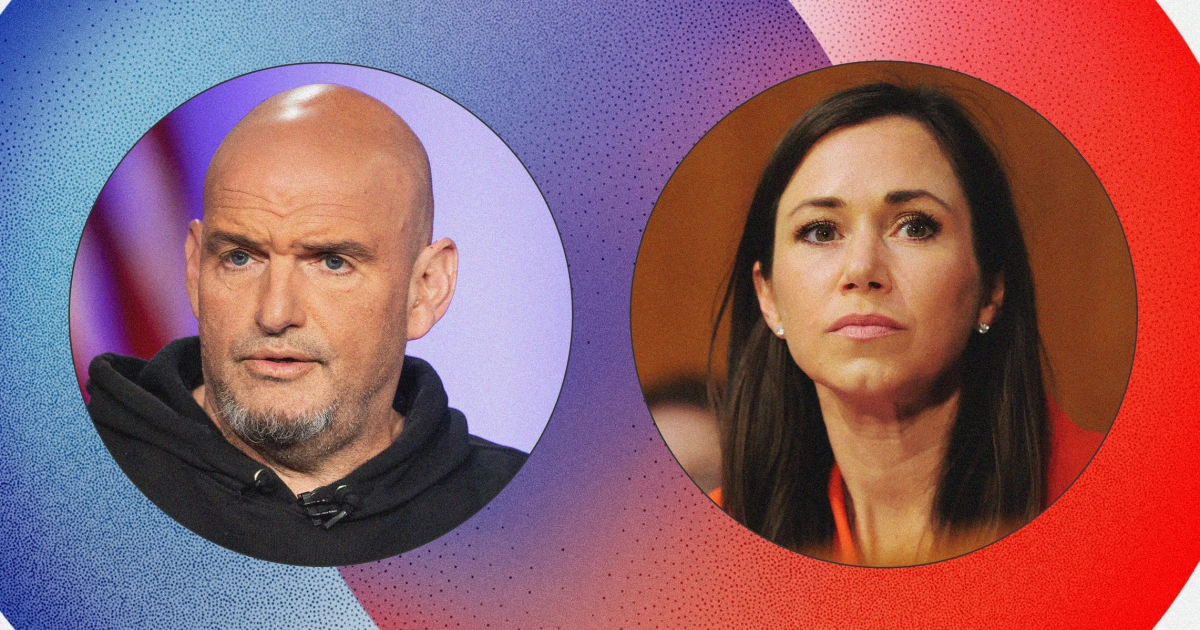
In discussions of potential legislative actions, Britt and Senator John Fetterman explored the introduction of several bills aimed at protecting youth mental health and regulating social media. Among these is the Stop the Scroll Act, which Britt proposed to mandate mental health warning labels on social media platforms. This bipartisan initiative has garnered support from Fetterman, along with Senators Elissa Slotkin (D-Mich.), Maggie Hassan (D-N.H.), and Jon Husted (R-Ohio).
Additional Legislation Under Consideration
Together, Britt and Fetterman have also lent their support to the Kids Off Social Media Act, proposed by Senator Brian Schatz (D-Hawaii). This initiative seeks to enforce stricter guidelines regarding social media usage among children, including a prohibition on account creation for those under 13 years of age. Despite the pressing nature of these measures, neither bill has yet progressed to a Senate vote.
U.S. Leadership in Addressing Mental Health
Britt expressed concern that the U.S. is falling behind in addressing social media’s challenges. While other nations are taking proactive steps to mitigate these issues, she believes the U.S. must act decisively to avoid complacency. This sentiment underscores the urgency of legislative action as a means to safeguard the mental health of the youth.
Personal Reflections on Mental Health
Since his election to the Senate in 2022, Fetterman has candidly discussed the adverse effects of social media on his mental health. He acknowledged the need to limit his time online, sharing past experiences where excessive engagement led to significant stress. His remarks resonate with many who have faced similar challenges.
Camaraderie in Addressing Shared Issues
Britt recounted a meaningful visit to Fetterman during his treatment for depression at the Walter Reed National Military Medical Center in 2023. Their friendship blossomed during Fetterman’s initial Senate term, reflecting a collaboration that transcends partisan divisions. The senators have also aligned on important matters, such as the ongoing conflict in Iran, where both indicated their support for continued U.S. involvement, a stance that sets Fetterman apart within the Democratic Party.
