


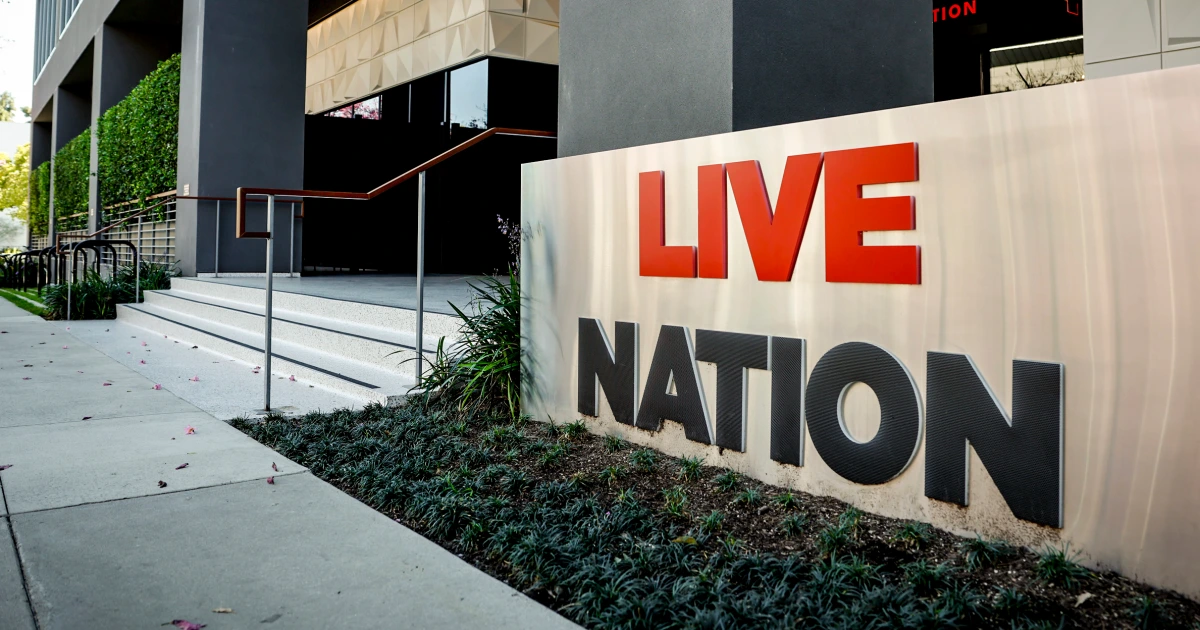
A Lawsuit Alleges Wrongful Termination by Live Nation Executive
A former executive at Live Nation has filed a lawsuit against the company, claiming wrongful termination after he reported serious corporate misconduct. The allegations include a systematic culture of financial misstatements and misleading disclosures within the organization.
Nicolas Lumanes joined Live Nation in 2022, where he was appointed to lead the establishment of a new real estate development division. According to the lawsuit, filed in Los Angeles Superior Court, it soon became evident that the company consistently misrepresented and exaggerated financial data to secure business interests. Lumanes was terminated abruptly in May 2025, shortly after he raised these issues with senior management.
The lawsuit outlines several instances of financial misconduct that Lumanes observed, including the manipulation of revenue projections and downplaying capital expenditures related to venue development projects. Furthermore, he alleges that Live Nation profited from undisclosed “junk fees” on event tickets, masquerading them as venue fees.
Lumanes claims that the company routinely presented distorted financial forecasts to investors, shareholders, and business partners while seeking lucrative contracts. The lawsuit asserts that the company’s strategy was to “close deals now and manage the fallout later,” as it seeks $35 million in damages.
In his complaint, Lumanes was warned that it was unacceptable to address budget overruns or financial discrepancies, as some executives preferred a stance of “plausible deniability.” In contrast, Live Nation representative Emily Wofford dismissed Lumanes’ allegations as unfounded, noting that he failed to raise these concerns during his tenure and that an independent investigation found no evidence to substantiate them. Wofford asserted that Lumanes’ contract was not renewed due to unmet performance expectations.
Live Nation Faces Antitrust Allegations Amid Lawsuit
Live Nation claims to be the largest live entertainment entity worldwide, boasting connections with over 805 million fans across 55 countries and holding rights to 460 venues globally. In the previous year, the company reported a staggering $25 billion in revenue.
The timing of Lumanes’ lawsuit coincides with a significant legal development: a New York jury recently concluded that Live Nation and its division, Ticketmaster, illegally monopolized the event ticket market. The judge overseeing this case will determine the financial penalties for the company, which continues to deny any monopolistic practices.
Live Nation has faced federal scrutiny, with two antitrust lawsuits filed against it over the last decade—one in 2010 and another in 2024. While a recent litigation was settled during a trial in Manhattan, state attorneys general pressed on, ultimately securing a victory. Despite these challenges, documents suggest that Live Nation has expanded its negotiating power with artists, venues, and co-promoters, even as it faces federal antitrust investigations.
Lumanes contends that Live Nation breached a 2010 agreement with the U.S. government regarding the separation of its ticket sales operations from other commercial activities. He cites several projects, including those in Indianapolis and Grand Rapids, where public funding was involved, stressing the necessity for accurate financial presentations, which he claims were often compromised.
The complaint highlights a particular instance in which Live Nation secured a 25-year, no-bid exclusive booking deal from a convention authority in Michigan. This agreement allegedly allowed the company to operate a profit-sharing model for events at the venue, violating regulations on bond issuance, according to Lumanes. He also notes that Live Nation engaged in a questionable arrangement where $20 million in upfront funds were exchanged to further their partnership with local authorities.
Lumanes asserts that he felt pressured by senior leadership to finalize decisions that did not align with sound financial practices and specifically identifies the company’s CEO, Michael Rapinoe, as a central figure in this pressure. Rapinoe reportedly earned approximately $90 million over three years, further complicating matters surrounding executive accountability.
Despite receiving strong performance reviews and bonuses prior to his dismissal, Lumanes alleges he was terminated without notice and was blindsided by claims that he had been let go for cause. He argues that he was never informed of any performance deficiencies that warranted such drastic action, characterizing the corporate environment as one that was hostile toward ethical dissent.
